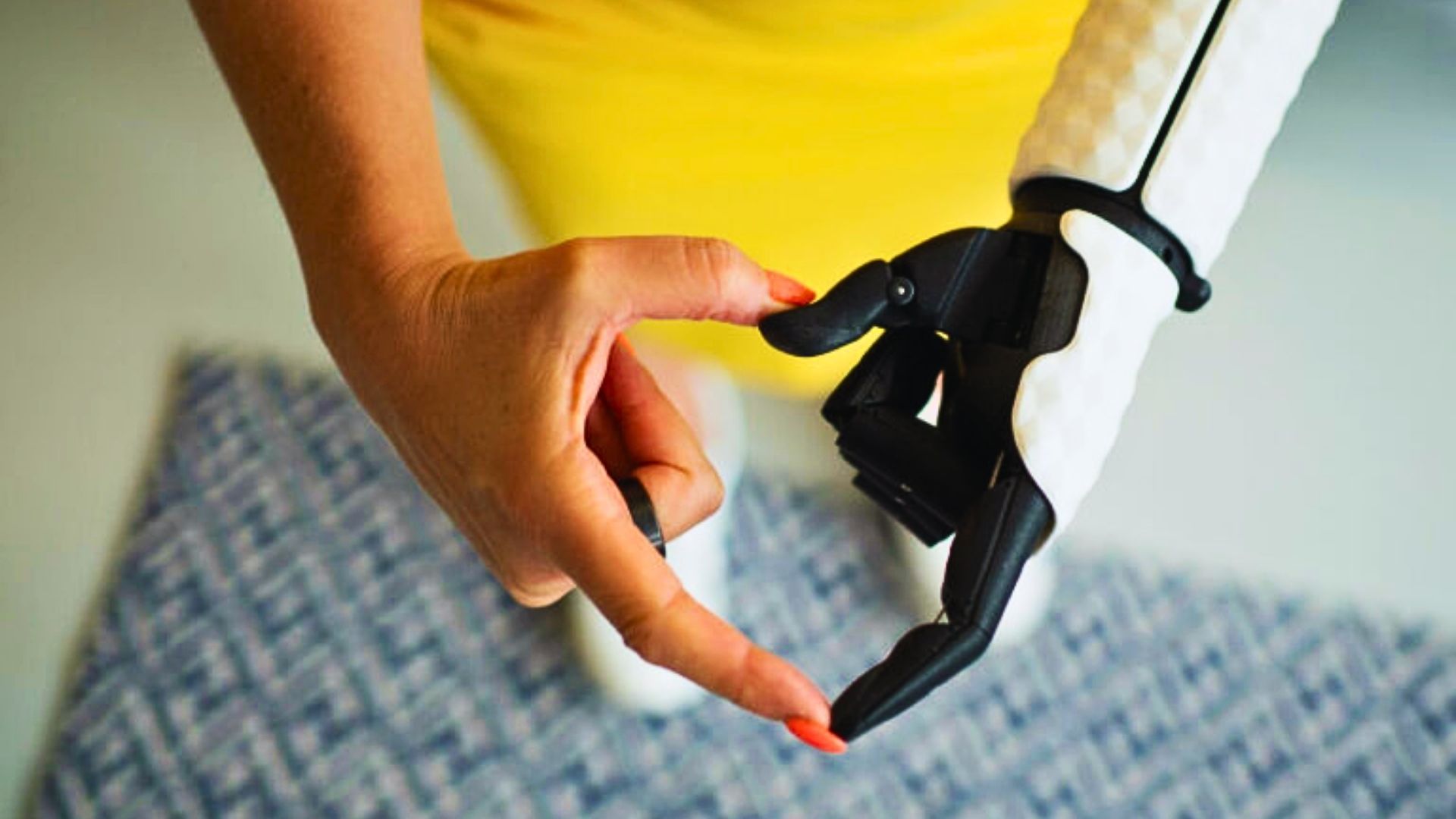
For decades, prosthetic hands were little more than cosmetic aids or simple mechanical devices. In 2026, this landscape has changed dramatically. Today’s advanced bionic hands are not just tools—they are intelligent, adaptive systems designed to function as seamless extensions of the human body.
A Leap Forward: AI and Neural Engineering
Powered by artificial intelligence, neural engineering, and cutting-edge material science, the latest generation of bionic hands is transforming possibilities for limb-different individuals.
AI-Powered Shared Control: Making Movement Intuitive
Historically, prosthetic users faced a significant “mental tax” from the concentration needed to perform even basic movements. Modern systems, like the Esper Hand 2, use AI-driven “Shared Control” to reduce this burden. Rather than requiring users to consciously direct every finger, AI interprets intent, making movement feel natural and instinctive.
Smart Sensing: Intelligent Object Recognition and Predictive Grasping
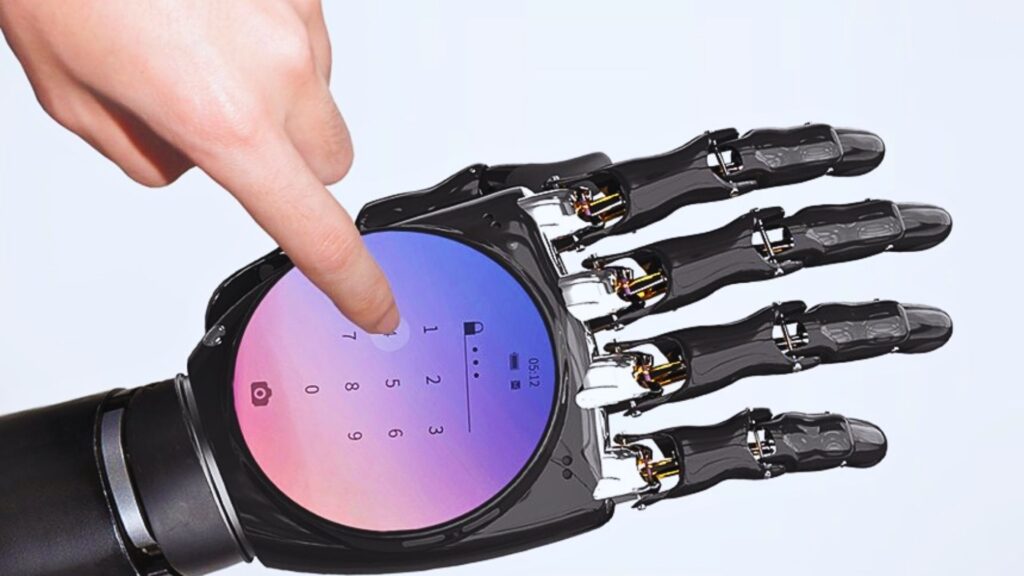
Equipped with optical and proximity sensors, these hands can identify objects as users approach them. For example, the system auto-selects a tripod grip for a mug or a power grasp for a suitcase—even before physical contact. This anticipatory intelligence helps make the experience feel less mechanical and more organic.
Restoring Touch: Emotional and Functional Transformation
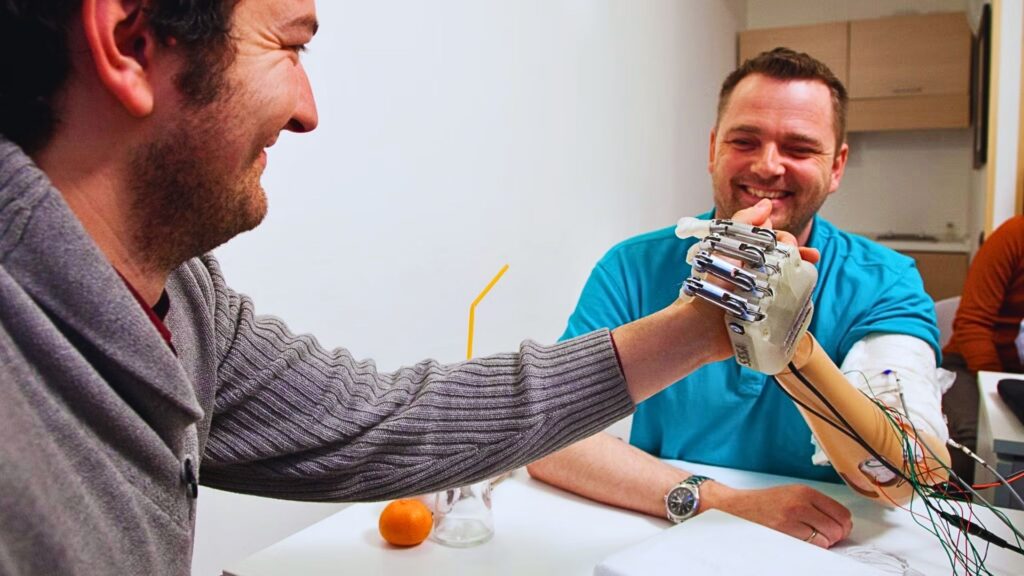
Perhaps the most profound advancement is the restoration of sensory feedback. Companies like PSYONIC and researchers at the University of Utah are integrating advanced “E-Skin” technologies, delivering haptic sensations to the user’s residual limb. Pressure sensors, texture, and even temperature can now be detected, allowing users to feel whether an object is fragile, rough, smooth, hot, or cold. This restoration of touch dramatically improves confidence, quality of life, and emotional well-being.
Engineered for Life: Durability and Practicality
The 2026 bionic hand is built for real-world use. Medical-grade silicone, reinforced aluminum, 3D-printed titanium, and carbon fiber make hands lightweight (around 400 grams) yet durable. IP67 waterproofing lets users wash dishes or walk in the rain without worry. As a materials scientist notes: “Durability is dignity. A user shouldn’t have to remove their hand to live their life.”
Optical Myography (OMG): The Next Control Revolution
Replacing traditional EMG with Optical Myography, these new hands use light-based sensors to detect subtle muscle density changes beneath the skin. This delivers cleaner, more precise signals, enabling independent movement of all five fingers, faster response times, and greater control—even for users with complex limb conditions.
Human–Machine Integration: Beyond Replacement
The 2026 smart bionic hand signals the dawn of true human-machine integration. AI systems now learn user preferences over time, adapting to grip patterns, speed, and strength. Each hand becomes a personalized extension of the wearer’s identity.
As one innovator puts it: “We are no longer building replacements. We are building extensions of identity.”
With ongoing advances in neural interfaces, AI learning, and biocompatible materials, the boundary between body and technology continues to fade. The era of intuitive bionics is here—and for thousands of users worldwide, it’s not science fiction. It’s daily life.