

Source: www.ecofinagency.com
Nigeria has launched a nationwide program to distribute tablets to all public schools as part of efforts to modernize education and bridge the country’s digital divide.

Speaking at a roundtable in Abuja on Oct. 30, Education Minister Morufu Olatunji Alausa described the initiative as a key element of President Bola Ahmed Tinubu’s strategy to make schooling more relevant to contemporary challenges.
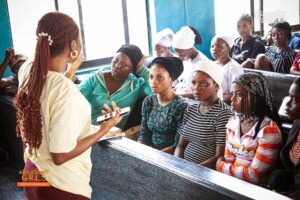
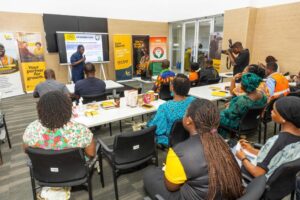
According to Alausa, more than 60,000 tablets have already been distributed to students in Adamawa, Oyo and Katsina states, with another 30,000 expected soon. The devices are designed to help teachers integrate digital textbooks, multimedia content and interactive exercises into classroom learning.
The ministry also plans to digitize school census data starting in 2026 to track student attendance and performance in real time and improve education planning, Alausa said.
He added that the initiative is intended to prepare young Nigerians for an increasingly digital labor market. Data from the Nigeria Education Management Information System (NEMIS) show that about 30 million students are enrolled in primary schools, but the number drops to between 10 million and 20 million in secondary education, with another four million leaving school before reaching high school. By introducing smart learning boards and digital tools, the government hopes to make education more engaging and reduce dropout rates.
The program comes as African countries accelerate digital transformation and compete to build skilled workforces. In its brief Digital Skills to Accelerate Human Capital for Youth in Africa, the World Bank noted that 87 percent of African business leaders view digital skills development as a top priority, yet only 11 percent of university graduates have received formal training in the field. The report adds that 65 percent of new jobs now require basic digital proficiency, and by 2030, 625 million Africans will need such skills to fully participate in the labor market.
Cc: Félicien Houindo Lokossou