


Introduction
Video Assistant Referee (VAR) is a revolutionary technology in sports, particularly in football (soccer), designed to assist referees in making more accurate decisions during matches. Introduced to reduce human error and improve fairness, VAR has transformed how games are officiated, blending traditional refereeing with cutting-edge technology.
What is VAR?
VAR stands for Video Assistant Referee. It is a system that uses video footage and communication technology to review decisions made by the on-field referee. The primary goal is to minimize clear and obvious errors or serious missed incidents in four key areas:
- Goals and whether there was a violation during the buildup
- Penalty decisions
- Direct red card incidents
- Mistaken identity in awarding cards
How Does VAR Work?
VAR involves a team of video assistant referees who monitor the match from a centralized video operation room equipped with multiple camera angles and replay technology. The process typically follows these steps:
- Incident Occurs: When a contentious or unclear decision happens on the field, the VAR team reviews the footage.
- Communication: The VAR communicates with the on-field referee via headset.
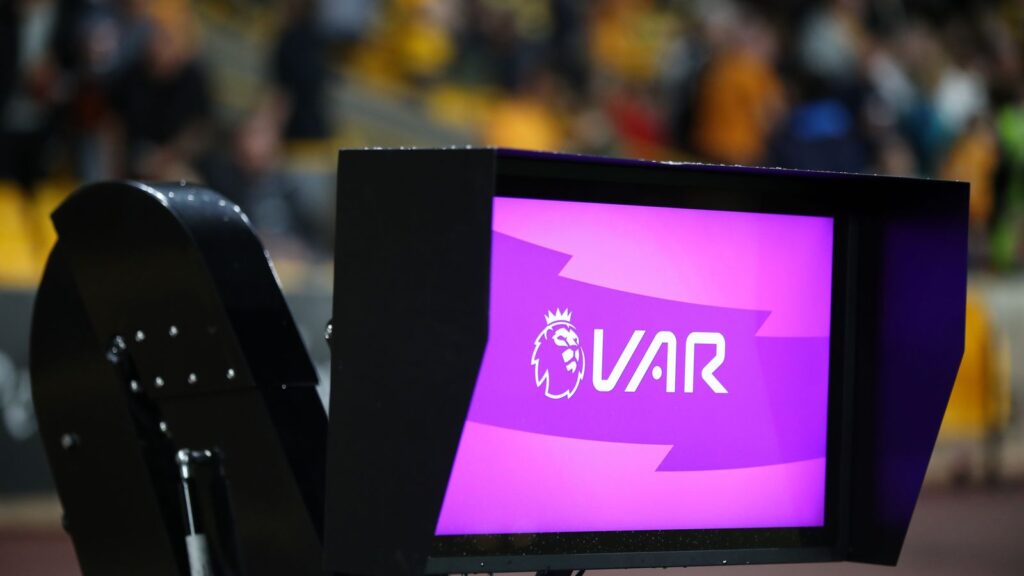
- Review: The referee can either accept the VAR’s advice or conduct an on-field review by watching replays on a pitchside monitor.
- Final Decision: After the review, the referee makes the final call, which can confirm, overturn, or modify the original decision.
Technology Behind VAR
VAR relies on several technological components:
- Multiple High-Definition Cameras: Positioned around the stadium to capture every angle.
- Video Operation Room: Central hub where VAR officials analyze footage.
- Communication Systems: Secure audio links between VAR officials and the on-field referee.
- Replay Software: Allows slow-motion, zoom, and frame-by-frame analysis.
- Pitchside Monitors: Used by referees for on-field reviews.
Benefits of VAR
- Improved Accuracy: Helps correct clear errors that could affect match outcomes.
- Fairness: Ensures decisions are based on evidence rather than human error.
- Transparency: On-field reviews provide visible explanations to players and fans.
- Game Integrity: Reduces controversies and increases trust in officiating.
Challenges and Criticisms
- Delays: Reviews can interrupt the flow of the game.
- Subjectivity: Some decisions remain subjective despite video evidence.
- Technology Limitations: Camera angles or video quality may not always be perfect.
- Fan Experience: Some fans feel VAR disrupts the emotional spontaneity of the game.
VAR in Other Sports
While VAR is most prominent in football, similar video review systems exist in other sports:
- Cricket: Decision Review System (DRS) for LBW and catches.
- Tennis: Hawk-Eye for line calls.
- American Football: Instant replay reviews.
- Basketball: Video reviews for fouls and out-of-bounds plays.
The Future of VAR and Sports Technology
VAR represents a significant step toward integrating technology in sports officiating. Future advancements may include:
- Artificial Intelligence: To assist in faster and more precise decision-making.
- Enhanced Camera Systems: 360-degree views and higher frame rates.
- Augmented Reality: To provide referees with real-time data overlays.
- Improved Fan Engagement: More transparent and interactive review processes.
Conclusion
VAR is a groundbreaking innovation that has reshaped sports officiating by combining human judgment with technological precision. While it is not without challenges, its role in enhancing fairness and accuracy in sports is undeniable. As technology evolves, VAR and similar systems will continue to refine how games are played and judged, ensuring a more just and exciting sporting experience for players and fans alike.