• Govt traces 44 contacts, intensifies surveillance nationwide
• Multi-million dollar festive tourism, hospitality, nightlife industry at risk
• W’Bank warns of billions in losses from prolonged outbreak
• Rising food costs leave households vulnerable to further economic shocks
• Experts oppose blanket travel bans, urge evidence-based restrictions
• Health specialists call for stronger surveillance, contact tracing
• Africa CDC seeks urgent global funding, medical supplies, emergency responders
• 2014 containment success offers lessons for current response
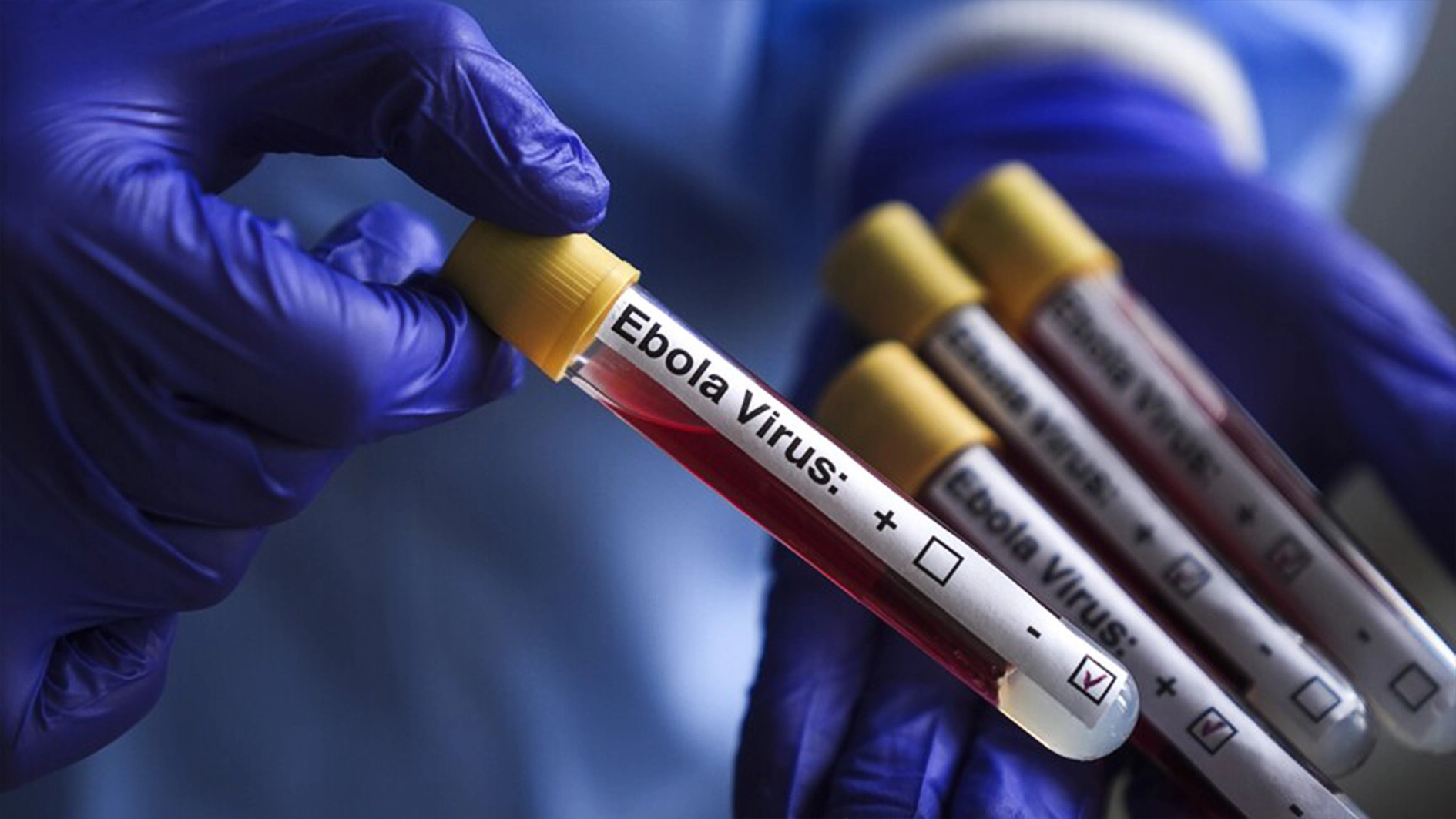
The Federal Government yesterday confirmed a new Ebola case in the Federal Capital Territory (FCT), raising the prospect of fresh pressure on Nigeria’s economy and threatening to complicate preparations for the Yuletide season if the outbreak spreads or undermines public confidence.
With increased travel, retail activity, hospitality bookings and commercial transactions expected in the coming weeks, authorities face the dual challenge of containing the disease and preventing avoidable disruptions to businesses and livelihoods.
The patient, a woman who recently arrived in Nigeria on an international flight from Uganda, was admitted to a private hospital in the FCT, where she received care for several days before laboratory tests confirmed the infection on October 20, according to a statement by the Coordinating Minister of Health and Social Welfare, Prof Muhammad Ali Pate.
Advertisement
The Federal Ministry of Health and Social Welfare, Nigeria Centre for Disease Control and Prevention (NCDC), FCT Health Services Secretariat and other relevant authorities have activated containment measures, with contact tracing already under way for 44 close contacts, including healthcare workers, patients, caregivers and travel contacts who may have been exposed to the virus.
The government said surveillance had been intensified, while the hospital was receiving immediate support to strengthen infection prevention and control measures. It also directed public and private healthcare facilities nationwide to remain on high alert, promptly identify and isolate suspected cases, observe strict infection prevention protocols and report suspected infections to public health authorities.
Seeking to reassure Nigerians, Pate said the country had successfully contained Ebola in 2014 and had the experience and public health systems needed to respond to the latest case. He stressed that early detection, prompt reporting and public co-operation were critical to preventing further spread.
The ministry explained that Ebola spreads through direct contact with the blood or body fluids of an infected person who is ill or has died from the disease, or through contact with contaminated materials. It advised Nigerians to maintain good hand hygiene, avoid contact with the body fluids of suspected cases and watch for symptoms including fever, severe weakness, headache, vomiting and diarrhoea, particularly after possible exposure.
Advertisement
Those who may have been exposed were urged to report promptly to public health authorities, while anyone who develops symptoms should avoid close contact with others and seek guidance from health officials before visiting a healthcare facility. The government also urged people identified through contact tracing, including relevant airline passengers, to co-operate with public health teams and follow official advice.
The government said investigations were continuing and that the Presidential Taskforce on Ebola Virus Disease and the NCDC would provide further updates.
It also urged Nigerians to avoid spreading rumours and stigmatising affected persons, stressing that timely reporting and public co-operation would be essential to containing the infection.
Billions in festive trade at risk if outbreak spreads
THE economic stakes of the latest Ebola outbreak are particularly significant as Nigeria approaches its yearly festive-season boom, when millions of people travel to reunite with family, attend events and patronise businesses across the country.
According to figures published by The Guardian, in Lagos alone, tourism, hospitality and entertainment generated more than $71.6 million in reported revenue during the 2024 Detty December celebrations. Hotels accounted for more than $44 million, highlighting the scale of commercial activity associated with the influx of visitors.
The season’s economic benefits also extend to nightlife, transport, short-let accommodation, event centres and recreational facilities.
A separate report by The Guardian put the combined earnings of Lagos’s top 15 nightclubs at N4.32 billion during the 2024 festive period, while other businesses benefited from increased bookings and visitor spending.
While these figures do not establish the potential losses from the current Ebola case, they suggest the commercial interests at stake.
The World Bank’s assessment of the 2014 Ebola epidemic found that fear of infection could discourage customers, disrupt transportation and raise the cost of doing business, even beyond areas experiencing widespread transmission.
This compounds the economic consequences of the outbreak.
The speed of containment and the effectiveness of public communication are therefore central to limiting the risk of similar behavioural and economic disruptions.
Advertisement
The Bank had warned that the Ebola epidemic could cost West Africa up to $32.6 billion in lost economic output by the end of 2015, depending on the scale and duration of the outbreak.
In its report, The Economic Impact of the 2014 Ebola Epidemic: Short and Medium-Term Estimates for West Africa, released on October 8, 2014, the Bank outlined two scenarios based on the speed of containment and the spread of the disease beyond Guinea, Liberia and Sierra Leone, the countries worst affected at the time.
Under the “Low Ebola” scenario, which assumed the outbreak would be contained by early 2015, with cases remaining around 20,000, the region’s lost gross domestic product (GDP) was estimated at $2.2 billion in 2014 and $1.6 billion in 2015.
Under the “High Ebola” scenario, which envisaged slower containment and up to 200,000 cases, the projected losses stood at $7.4 billion in 2014 and $25.2 billion in 2015, bringing the total to $32.6 billion.
The report attributed the potential economic losses to both direct and indirect costs, including increased government spending on healthcare, reduced labour productivity as workers fell ill or cared for sick relatives, and deaths associated with the disease.
ALSO, the economic threat posed by a prolonged Ebola outbreak comes as Nigerian households continue to grapple with high living costs and constrained purchasing power, leaving consumers with limited room to absorb further economic shocks.
As previously reported by The Guardian, data from the National Bureau of Statistics (NBS) showed that the minimum daily cost of a healthy diet rose to N1,589 per adult in April 2026, up 3.12 per cent from N1,541 in March and 4.74 per cent above the N1,518 recorded in April 2025.
The report attributed the increase to higher prices across most food groups, underscoring the pressure on household budgets despite signs of moderation in annual food inflation.
Any outbreak-related disruption to food distribution, transport services or commercial supply chains could compound these pressures, although the extent of the impact would depend on the scale and duration of the outbreak.
Similarly, The Guardian reported in June, citing Credit Direct’s 2025 Nigeria Credit Landscape Report and data from the Central Bank of Nigeria’s Consumer Sentiment Survey, that households remained reluctant to commit significant portions of their income to major purchases, including homes, cars and other durable goods.
The High-Value Purchase Index remained below the 50-point benchmark throughout 2025, averaging between 21 and 22 points and peaking at 29.9 points in November.
The report linked the trend to the lingering effects of inflation and the erosion of purchasing power over the preceding three years, noting that household spending remained concentrated on essential needs while demand for small-ticket loans to finance everyday expenses increased. Personal loans disbursed by finance companies rose from N90.96 billion in January 2022 to N247.70 billion in November 2025.
Businesses, too, remained cautious about major investments amid high financing costs and economic uncertainty, according to the report.
Against this backdrop, a prolonged Ebola outbreak could place additional pressure on businesses that depend on festive-season spending, particularly if public anxiety reduces travel, event attendance and customer traffic.
For households already prioritising food and other essentials, any resulting loss of income or increase in living costs could further constrain spending.
Experts caution against travel bans, urge stronger surveillance
INFECTIOUS disease experts have cautioned against premature blanket travel bans over the latest Ebola outbreak, saying restrictions should be guided by epidemiological evidence. They urged authorities to strengthen surveillance, contact tracing and public awareness, particularly as population movement increases ahead of the Christmas season.
Speaking with The Guardian, an Associate Professor of Infectious Diseases, Pathogen Genomics and Molecular Epidemiology in the Department of Microbiology at Adeleke University, Ede, and founder of Helix Biogen Institute, Ogbomoso, Dr Oladipo Elijah Kolawole, said enhanced vigilance at airports, land borders and transport hubs would be crucial.
Kolawole noted that experience had shown that targeted surveillance, screening, rapid case detection, contact tracing and public education were often more effective than widespread travel restrictions, which could carry significant social and economic costs.
He said Nigeria’s successful containment of the 2014 Ebola outbreak remained one of the country’s major public health achievements, demonstrating the value of surveillance, contact tracing, emergency co-ordination, laboratory diagnosis and risk communication.
He, however, stressed that every outbreak presented unique challenges and required continuous improvements in preparedness.
According to him, the immediate priorities should include isolating suspected cases, intensifying contact tracing, expanding laboratory testing capacity, strengthening infection prevention and control measures in healthcare facilities, engaging communities and communicating risks transparently.
“Public trust and timely dissemination of accurate information are critical to preventing panic and limiting transmission. Ultimately, the key message is that preparedness, rapid response and public co-operation, rather than panic, will determine the outcome of this outbreak,” he said.
Also speaking, the Technical Advisor on Epidemiology, Survey and Implementation Science at Public Health Information Surveillance Solutions and Systems, APIN Public Health Initiatives, Dr Ubong Okon, urged Nigerians to remain calm, saying the country had made significant progress in its capacity to respond to Ebola and other infectious disease outbreaks since 2014.
He, however, said sustained surveillance, public enlightenment and stronger infection prevention measures remained critical to containing the current threat.
Okon said Nigeria was better equipped to respond to the outbreak than it was 12 years ago, citing improvements in disease surveillance, workforce capacity and the implementation of the International Health Regulations.
He nevertheless warned that the country needed to intensify its response to prevent further transmission, particularly by strengthening contact tracing and ensuring that healthcare workers in public and private facilities could promptly identify and report suspected Ebola cases.
“After the last Ebola case in 2014, Nigeria has made serious progress across all the sectors as far as health security is concerned. When you compare 2014 with today, we have made so much progress in different areas, different pillars,” he said.
Reflecting on the period since the 2014 outbreak, Okon cited improvements in workforce capacity, surveillance systems and the implementation of international health regulations as evidence of progress in public health security.
He highlighted advances in both indicator-based surveillance, which tracks information from routine health reporting, and event-based surveillance, which identifies signals of potential public health emergencies from various sources.
He also cited Joint External Evaluation reports as evidence of efforts to strengthen the country’s capacity to prevent, detect and respond to public health emergencies.
The expert, however, stressed that technical progress must be matched by sustained implementation, noting that surveillance systems and trained personnel could only be effective if they remained functional and adequately supported to detect threats early.
He said Nigeria’s experience managing other infectious disease outbreaks, including Lassa fever, cholera and COVID-19, had also contributed to its capacity to respond to emerging public health threats.
Okon said the Nigeria Centre for Disease Control and Prevention (NCDC) and its partners had continued to work to control outbreaks, adding that similar co-ordination and commitment would be necessary to contain the Ebola threat.
“But actually, we need to do more to be able to contain this current outbreak,” he added.
He said the latest case should serve as a reminder that preparedness required continuous investment rather than an emergency response that intensified only when a disease became a national concern.
Okon also called for renewed public enlightenment and the restoration of infection prevention and control (IPC) measures that became widespread during previous public health emergencies.
He recalled that handwashing facilities and other preventive measures were widely available in schools, hospitals and public places during the COVID-19 pandemic and other outbreaks, but many of these practices declined as the immediate threats subsided.
“I agree with you that previously, IPC measures were there, people were washing their hands. When you go to schools, you see handwashing materials. You see all those things. But immediately after a while, you see them going down. I think we need to bring those things back, of course, because IPC is very important,” he said.
He stressed that public enlightenment should explain how Ebola spreads, the symptoms requiring urgent medical attention and the steps people should take if they suspected they had been exposed to the virus.
Clear and consistent communication, he said, would help people protect themselves without creating unnecessary fear or confusion. He cautioned that public anxiety could undermine an effective response if people lacked accurate information about the disease and the measures being taken to contain it.
“I don’t think there is a need for panic,” he said, adding that public enlightenment was essential to helping people understand how diseases spread and how transmission could be prevented.
Okon identified contact tracing and heightened vigilance in healthcare facilities as key priorities in the current response.
Referring to reports that 44 contacts had been identified, he said authorities needed to ensure that all relevant contacts were located, monitored and supported to report any symptoms promptly.
He cautioned that the number of identified contacts should not be taken as proof that all potential exposures had been accounted for, stressing the need for continuous surveillance and investigation.
“There may be more than those, more than this number of contacts that we mentioned. The question now is, are we able to try and get these contacts?” he asked.
He explained that some contacts could develop symptoms while going about their daily activities and subsequently seek treatment at primary healthcare centres, general hospitals or private medical facilities.
This, he said, made it imperative for healthcare workers at every level to understand the Ebola case definition, recognise suspected cases, apply appropriate infection prevention measures and report cases through established surveillance channels.
He stressed that healthcare workers must be protected from infection while ensuring that suspected patients received appropriate attention and were promptly referred through the relevant public health reporting channels.
He called for heightened vigilance across healthcare facilities, including private hospitals, where suspected cases might initially present before the disease was recognised.
Early identification and reporting, he said, would be essential to preventing further chains of transmission, particularly if people exposed to the virus began developing symptoms in different locations.
On whether the outbreak warranted a return to widespread face-mask use or the introduction of travel restrictions, Okon advised against measures that were not supported by an assessment of the prevailing risk.
On movement restrictions, including possible flight bans, Okon said the response should prioritise effective surveillance, contact tracing, public awareness and the capacity of healthcare facilities to identify and manage suspected cases.
Nigerian Ebola case mirrors Kenya’s experience, pathologist warns
• Urges rigorous contact tracing, early isolation, hospital surveillance
KENYAN consultant pathologist Dr Ahmed Kalebi has warned that Nigeria’s latest Ebola case bears similarities to an earlier experience in Kenya, urging health authorities to strengthen contact tracing and infection prevention to prevent further transmission.
Kalebi, of Ahmed Kalebi Consultancy, said in a post on X yesterday that Nigeria confirmed its first Ebola case in the current outbreak on October 20, involving a woman who arrived on an international flight from Uganda and received treatment at a private hospital in Abuja for several days before the diagnosis was established.
He said the patient had been placed in isolation, 44 contacts had been identified and response measures were under way.
Welcoming the prompt reporting of the case, Kalebi said Nigeria needed to prepare for the possibility of an expanding contact list and secondary infections, particularly among healthcare workers who might have been exposed before the disease was recognised.
He recalled a similar incident in Kenya, where a traveller who passed through Uganda arrived in Nairobi and received treatment at a private hospital before Ebola was confirmed. Secondary infections subsequently emerged among relatives and hospital personnel, making contact tracing, quarantine and daily monitoring central to the response.
According to him, contact tracing could become a major weakness in Nigeria’s response if people with relevant exposure were overlooked.
He urged authorities to identify and monitor all potentially exposed persons, including those who might have come into contact with the patient at the hospital, at home or during travel.
Kalebi, however, cautioned against drawing conclusions about where the Nigerian patient contracted the infection, noting that her earlier travel history, including whether she had visited the Democratic Republic of the Congo (DRC) before travelling to Uganda, had yet to be publicly established.
He stressed that the reported arrival from Uganda did not, by itself, establish where the infection was acquired.
The pathologist also urged hospitals across the region to treat patients’ travel and exposure histories as essential clinical information, adding that those with compatible symptoms and relevant exposure or travel to affected areas required immediate assessment for possible Ebola.
He said isolation and appropriate infection-prevention measures should begin as soon as the disease was suspected, while testing was arranged.
Kalebi warned that the period before diagnosis could expose healthcare workers, other patients and caregivers to infection, stressing that protective measures should cover doctors, nurses, attendants, cleaners, laboratory personnel and others handling potentially contaminated materials.
He said Nigeria had successfully contained Ebola in the past and could again limit transmission through rigorous contact tracing, monitoring, quarantine where indicated, prompt isolation of symptomatic contacts, rapid testing and clear public communication.
He urged authorities to translate early detection and transparent reporting into effective containment.
Africa CDC calls for urgent global support as Nigeria confirms Ebola case
FOLLOWING the confirmation of an Ebola Bundibugyo case in Nigeria, the Africa Centres for Disease Control and Prevention (Africa CDC) has called for urgent international support for the country.
The Director-General, Dr Jean Kaseya, said this through the agency’s official X handle yesterday.
Kaseya also urged partners to provide immediate funding, medical supplies, diagnostics and trained emergency responders.
According to him, the call follows a discussion with Nigeria’s Coordinating Minister of Health and Social Welfare, Prof Muhammad Pate, who informed him of the confirmed case.
He commended Pate for his transparency and leadership, stressing that early reporting of outbreaks was essential to saving lives and strengthening public health responses.
The Africa CDC chief urged the international community to provide immediate and flexible financing, medical supplies, diagnostic equipment, trained responders and stronger community-based surveillance to contain the outbreak.
He warned that the outbreak must not be allowed to spread to additional countries or continue for another year, emphasising that delays in response could lead to more deaths.
“My appeal to the international community is urgent: ACT NOW. We need immediate, flexible financing, medical supplies, diagnostics, trained responders and stronger community-based surveillance. We cannot allow this outbreak to spread to more countries or continue for another year.
“Every day of delay costs lives. Africa’s health security is global health security.
“Stopping Ebola in Africa today means protecting the world. Nigeria has our full solidarity. Together, we must defeat this outbreak,” he said.
2014 Ebola experience
NIGERIA’S first Ebola outbreak in 2014 began when Patrick Sawyer, a Liberian-American diplomat, arrived in Lagos on July 20 while infected with the virus. He was admitted to First Consultant Hospital in Obalende and died on July 24, triggering an emergency public health response to contain the disease and prevent further transmission.
The late Dr Ameyo Adadevoh, who treated Sawyer, played a pivotal role in the response by insisting that he remain in isolation despite pressure for his release. Her intervention helped prevent further exposure at the hospital, although she later contracted the disease and died on August 19, 2014.
Following the index case, health authorities activated an emergency operations centre, mobilised epidemiologists and intensified surveillance and contact tracing. The response identified and monitored nearly 900 contacts, helping officials track transmission chains across Lagos and Port Harcourt.
Nigeria recorded 20 cases, including 19 confirmed and one probable case, with eight deaths.
The WHO declared the country free of Ebola transmission on October 20, 2014, after 42 days without a new case.
Symptoms, precautions
ACCORDING to the World Health Organisation (WHO), Ebola disease typically begins with sudden fever, fatigue, muscle pain, headache and sore throat. These symptoms may be followed by vomiting, diarrhoea, abdominal pain and, in some cases, unexplained bleeding. Symptoms usually appear between two and 21 days after exposure to the virus.
The disease spreads through direct contact with the blood or other bodily fluids of an infected person who has developed symptoms, or through contact with contaminated clothing, bedding, medical equipment and other materials.
People can also become infected through contact with the body of someone who has died from Ebola. Infected people cannot transmit the virus before symptoms begin.
The WHO advises people to practise regular hand hygiene, avoid contact with the bodily fluids of suspected or confirmed cases, and refrain from handling items that may have been contaminated.
Anyone who develops symptoms after possible exposure should avoid close contact with others and contact public health authorities immediately for guidance.
Suspected cases require prompt medical assessment, laboratory testing and isolation to reduce the risk of further transmission.