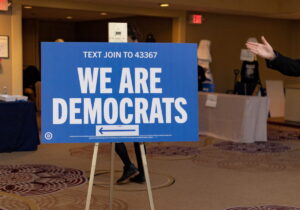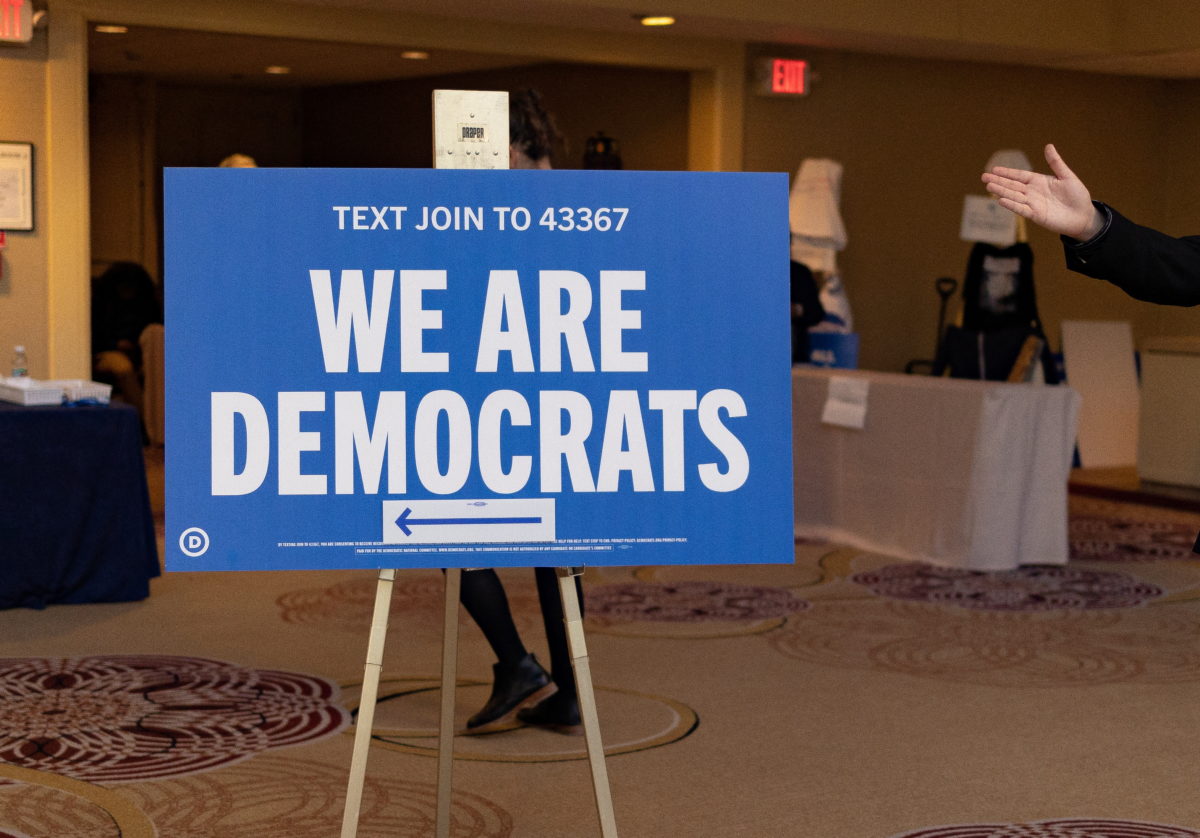
The Democratic Party’s reported victory in the November 3, 2026, U.S. midterm elections, securing control of both the House of Representatives and the Senate, could significantly influence President Donald Trump’s policies towards Africa.
The outcome weakens Trump’s legislative position in Washington and opens the door to renewed debate over U.S. development assistance, trade relations and immigration restrictions affecting African countries.
The election results have also attracted reactions from international leaders, including South African President Cyril Ramaphosa, whose country has faced tensions with Washington following its suspension from the African Growth and Opportunity Act (AGOA).
Reacting to the Democratic victory, Ramaphosa said the American electorate had spoken, expressing optimism that the outcome could usher in a new era in international relations.
However, with the new congressional majority expected to assume office on January 3, 2027, questions remain over how much influence Democrats can exert on Trump’s foreign policy decisions.
Although the U.S. Constitution gives Congress substantial authority over government spending and international trade, the president retains considerable executive powers, making an outright reversal of existing policies difficult.
USAID: Prospects for Restoring Development Assistance
One area where Democrats could exert significant influence is foreign development assistance.
The Trump administration effectively dismantled the United States Agency for International Development (USAID), which officially ceased operating as an independent agency on July 1, 2025, following extensive programme cancellations and workforce reductions.
However, USAID remains recognised under U.S. law, and its permanent abolition would require congressional action.
According to the Congressional Research Service, lawmakers retain an important role in determining the agency’s legal status and funding arrangements.
With control of both congressional chambers, Democrats could push for renewed funding for humanitarian assistance, healthcare and development programmes, particularly those benefiting vulnerable populations across Africa.
However, Trump could veto legislation aimed at restoring the agency or reversing funding cuts. Overriding such a veto would require a two-thirds majority in both chambers, a threshold Democrats would struggle to achieve without Republican support.
Rebuilding the agency’s former operational capacity would also require significant financial and administrative commitments.
Trade Relations: Congress Could Challenge Trump’s Tariff Policies
Trade is another area where the Democratic majority could influence U.S. relations with Africa.
The Constitution grants Congress authority over international commerce, although successive laws have delegated certain tariff powers to the president.
Democrats could seek to limit the administration’s use of those powers while supporting trade arrangements that improve African countries’ access to the American market.
Particular attention is expected to focus on the African Growth and Opportunity Act, which provides eligible African countries with preferential access to the U.S. market.
Although AGOA has received a two-year extension, uncertainty remains over its long-term future and the extent to which African exporters will continue benefiting from the arrangement.
Any attempt to substantially change presidential tariff powers or establish new trade protections would require legislation, which Trump could veto.
Furthermore, Democrats are not entirely united on free-trade policies. During Joe Biden’s administration, several tariffs introduced during Trump’s first presidency were retained, while additional duties were imposed on selected imports, particularly from China.
This suggests that a Democratic-controlled Congress may favour adjustments to existing trade arrangements rather than a complete reversal of Trump’s protectionist approach.
Immigration: Limited Congressional Power Over Trump’s Restrictions
Immigration policy presents a more difficult challenge for Democrats.
Since January 2026, the Trump administration has maintained entry and visa restrictions affecting several African countries.
Nigeria, Benin, Côte d’Ivoire and Senegal are among the countries affected by partial restrictions, while Mali, Burkina Faso and South Sudan face broader suspensions, subject to specified exemptions.
The measures rely partly on Section 212(f) of the Immigration and Nationality Act, which gives the president broad authority to restrict the entry of certain foreign nationals when considered necessary to protect U.S. interests.
Although Democrats could investigate the impact of these restrictions, challenge their implementation through congressional oversight or pursue amendments to immigration legislation, reversing the measures would be considerably more difficult.
Without changes to the underlying law or a successful legal challenge, Trump retains substantial executive authority over entry restrictions.
A Stronger Opposition, But Not an Unlimited Mandate
Beyond Africa-related policies, the Democratic victory significantly changes the political balance in Washington.
With control of both chambers, Democrats will have greater opportunities to scrutinise the administration, investigate government decisions, influence federal spending and block certain legislative proposals.
However, their ability to advance an alternative policy agenda will remain constrained by Senate procedures and presidential veto powers.
Most ordinary legislation in the Senate requires 60 votes to overcome a filibuster, while overriding a presidential veto requires a two-thirds majority in both chambers.
For African governments, the election outcome could therefore create opportunities to reopen discussions on development assistance, trade access and diplomatic engagement with Washington.
Nevertheless, immigration restrictions and other measures falling within presidential executive authority may prove more resistant to change.
Ultimately, the Democratic victory does not automatically end Trump’s Africa policy agenda. Instead, it introduces a stronger congressional opposition capable of challenging, scrutinising and potentially slowing some of his administration’s decisions.
As the new Congress prepares to take office in January 2027, African countries will be watching closely to see whether the political shift translates into meaningful changes in their economic and diplomatic relations with the United States.