African health systems are facing renewed pressure to improve access to affordable essential medicines while addressing antimicrobial resistance and weaknesses in pharmaceutical supply chains.
The concerns are featuring prominently in discussions at the African Union’s health ministerial meeting in Luanda, where officials are considering strategies to strengthen access to medicines and improve regional health security.
The challenge extends beyond the availability of medicines. Many countries continue to depend heavily on imported pharmaceutical products, leaving them vulnerable to supply disruptions, foreign-exchange pressures and international price changes.
At the same time, inappropriate antibiotic use and weak diagnostic capacity are contributing to the wider threat of antimicrobial resistance.
The African Medicines Agency is expected to play an important role in improving regulatory cooperation, medicine quality and the development of stronger pharmaceutical markets.
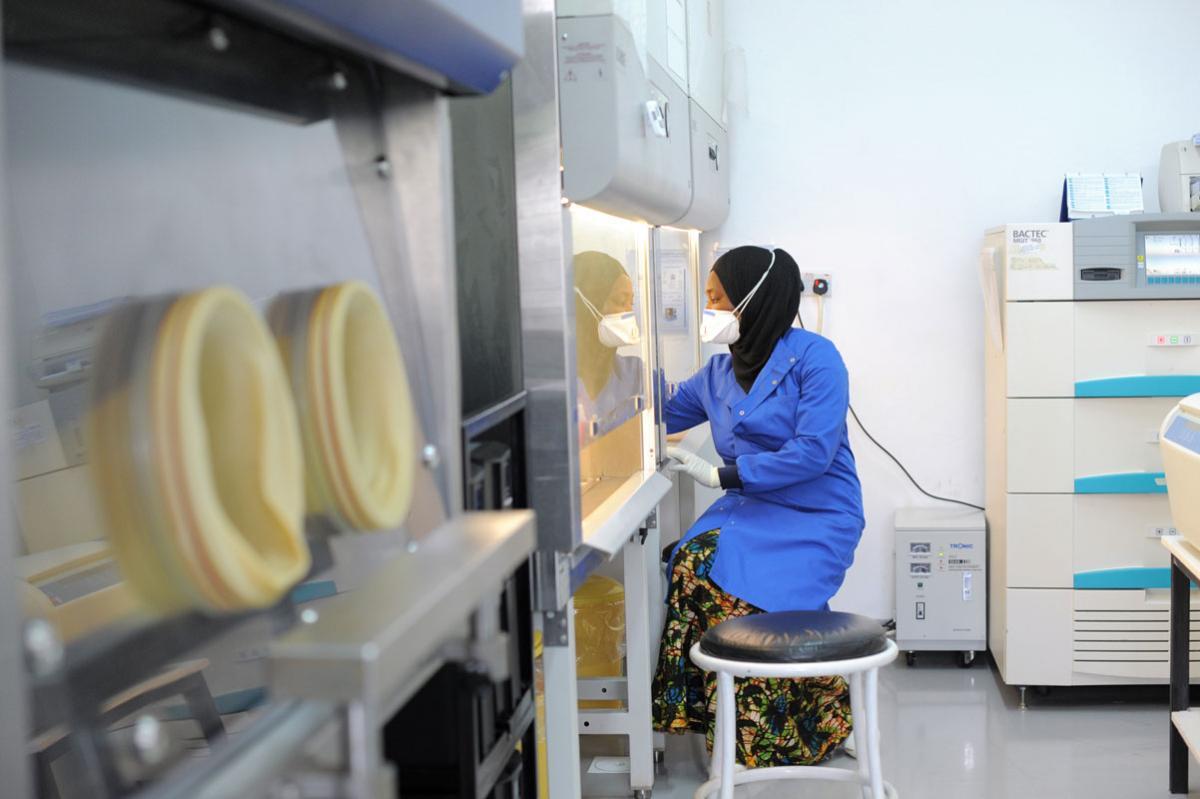
Africa needs investment in pharmaceutical research, biotechnology, quality-control laboratories and local medicine manufacturing. Digital supply-chain monitoring can help detect shortages, while improved diagnostics can reduce unnecessary antibiotic prescriptions. Stronger regional manufacturing could also create skilled jobs and improve medicine security.