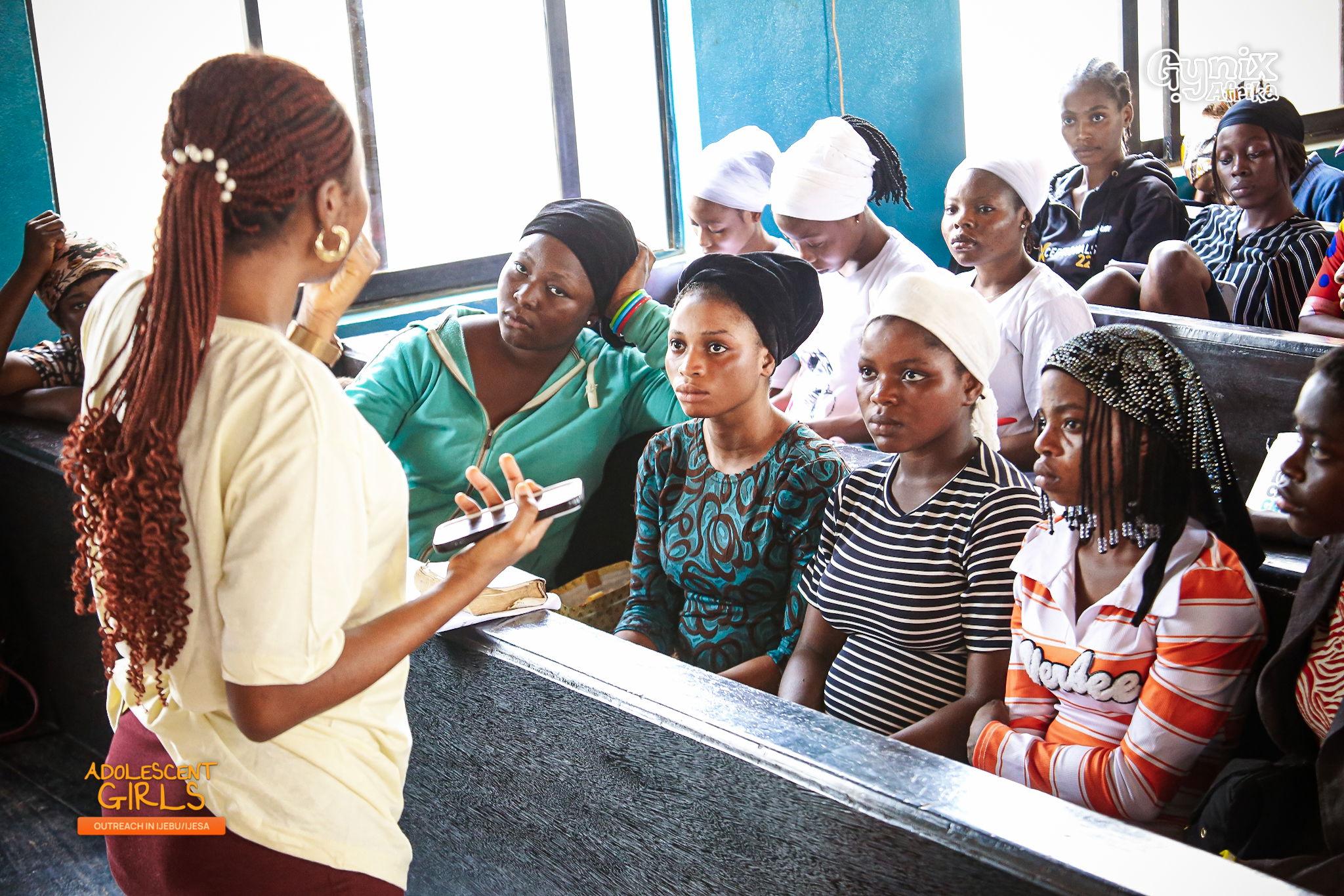
The Africa Centres for Disease Control and Prevention has raised concerns over major gaps in healthcare services for adolescents across the continent, warning that millions of young people are not receiving the support they need.
A new continental assessment titled Seen, Served and Counted: The State of Adolescent Health in African Union Member States found that adolescent girls aged 10 to 19 accounted for 16.5 per cent of all pregnancies in 2025 among countries able to provide complete data.
The figure rises to 24.2 per cent in Southern Africa.
The report also found that only 12.9 per cent of reporting health facilities offered adolescent- and youth-friendly services, despite 83 per cent of responding countries having national policies addressing adolescent sexual and reproductive health.
Africa CDC identified insufficient funding, shortages of healthcare workers and weak data systems as major barriers to improving services.
The organisation is calling on governments to strengthen primary healthcare, improve access to confidential services and increase investment in adolescent health programmes.
Digital health systems can help African governments identify underserved young populations, monitor healthcare delivery and improve access to reliable medical information. Telemedicine, electronic health records and age-disaggregated health data can support better planning. African universities and research institutions also have an important role in developing evidence-based solutions for adolescent health challenges.