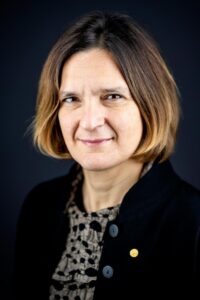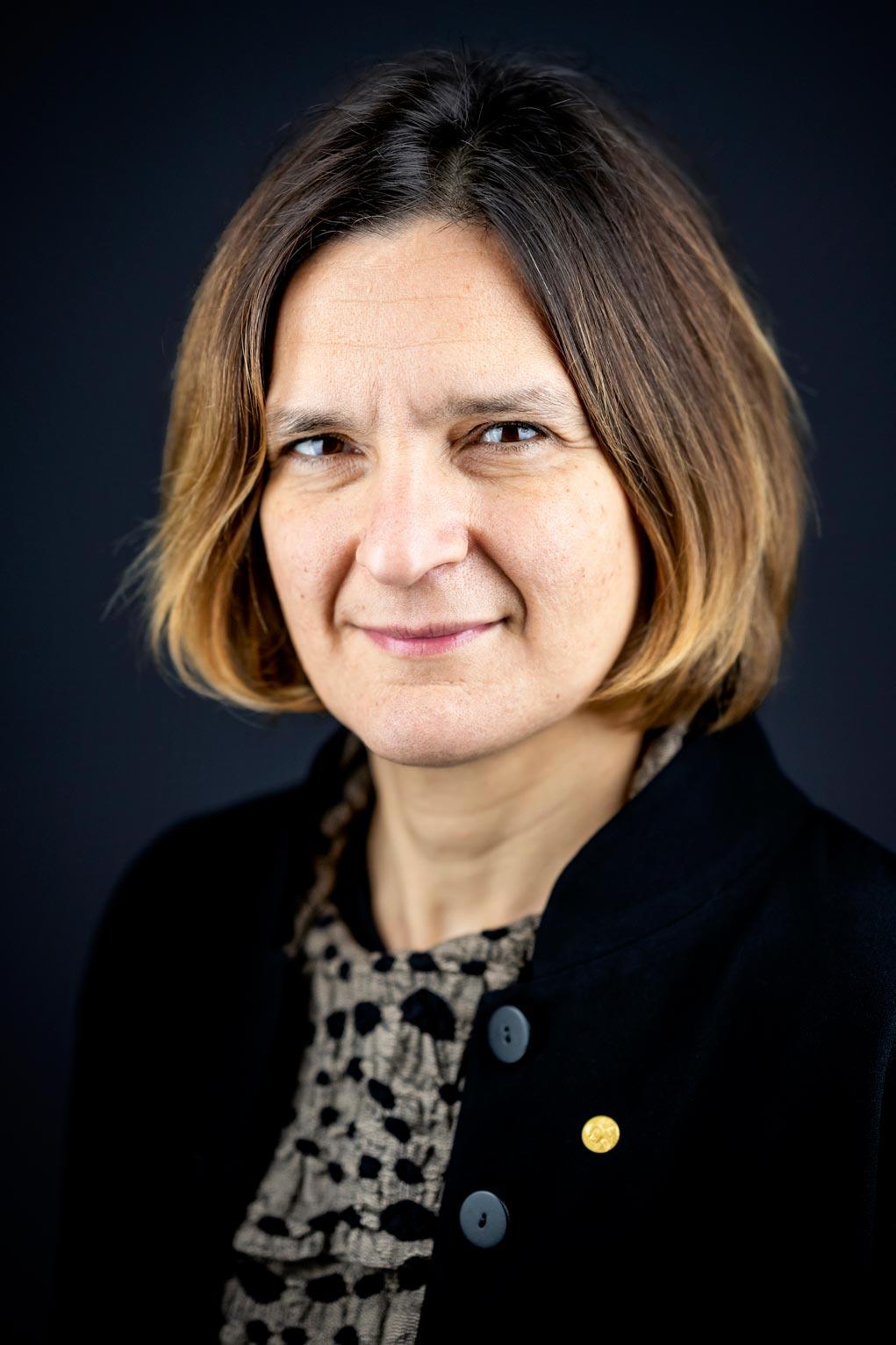
Nobel Prize-winning economist Esther Duflo has challenged Switzerland to significantly increase its development assistance, arguing that the wealthy European nation could afford to dedicate 1% of its economic output to helping poorer countries.
In an interview published by Swiss newspaper Le Temps on November 22, 2026, Duflo said Switzerland has the financial capacity to do more to support developing nations through carefully targeted programmes with proven results.
The economist currently works at the University of Zurich alongside her husband and fellow Nobel laureate, Abhijit Banerjee. Both received the 2019 Nobel Prize in Economic Sciences, alongside Michael Kremer, for their experimental approach to reducing global poverty.
Why she believes more aid is necessary
Duflo argues that global poverty has declined significantly over recent decades, but progress is increasingly vulnerable to conflicts, climate change, economic shocks and reductions in international development funding.
She also emphasises that development assistance should not simply mean spending more money. It should focus on programmes that have been scientifically tested and demonstrated to improve people’s lives.
Her proposal goes beyond Switzerland’s long-standing international development assistance benchmark of 0.7% of gross national income (GNI). She believes the country could go further and devote 1% of its economic output to effective development programmes.
What this means for Africa
African countries remain important beneficiaries of international development cooperation, particularly in healthcare, education, agricultural development, climate adaptation and poverty reduction.
Duflo’s argument raises an important question for African governments and development partners: how can international funding be directed towards measurable results rather than short-term projects?
Her research has demonstrated how targeted interventions, including school-based health programmes and improved education strategies, can make a difference in developing communities.
She has also advocated for a global wealth tax on the ultra-rich to help finance climate assistance for poorer countries.
Zurich becomes a new centre for poverty research
Duflo and Banerjee are leading the Lemann Collaborative at the University of Zurich, a research initiative focused on development economics, education and public policy. The project has received CHF 26 million in funding from the Lemann Foundation.
Their work is expected to strengthen research collaboration between Europe, Brazil and other developing regions.