
The US Federal Communications Commission (FCC) has approved SpaceX’s ambitious plan to deploy up to one million satellites in orbit, creating a network of space-based data centres designed to power artificial intelligence.
This is a major development in the global space and AI race — but the approval is not the same as having one million satellites ready for launch.
How the system is expected to work
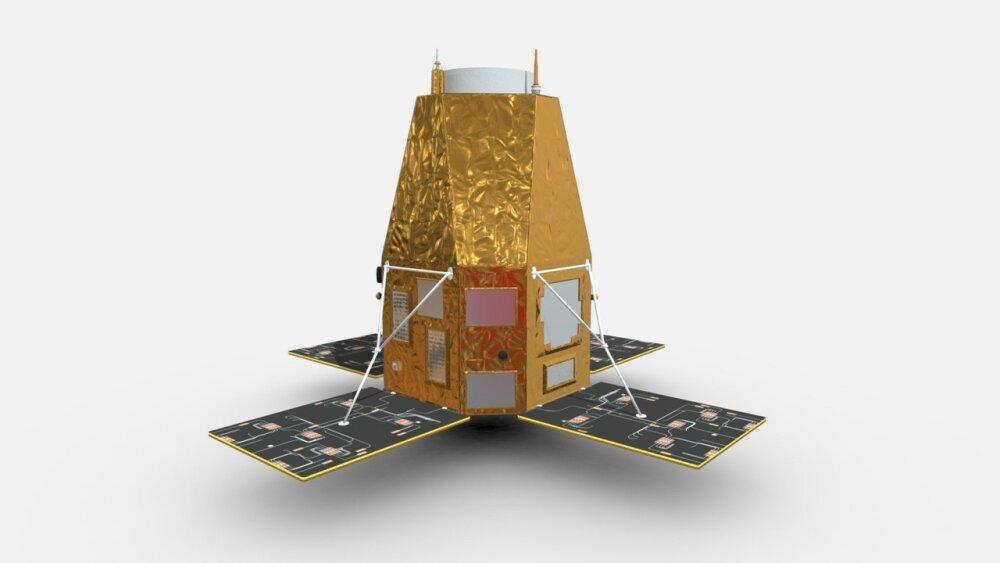
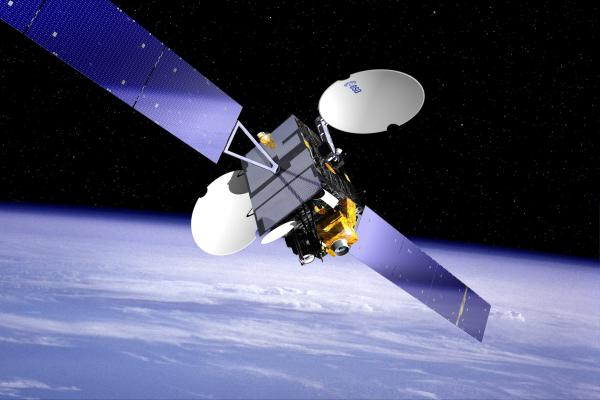
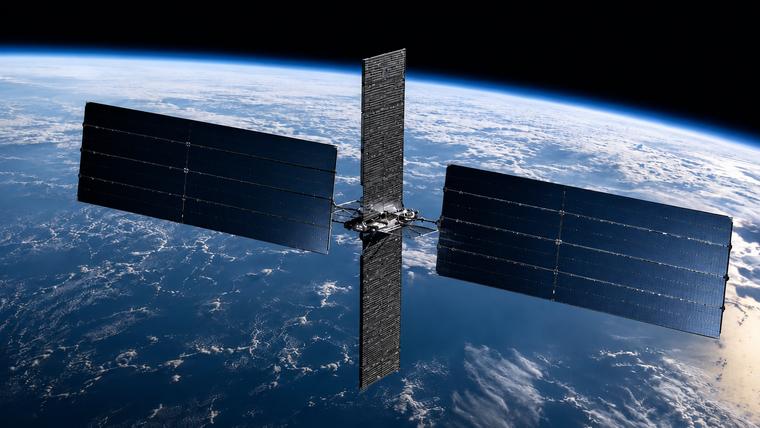
The proposed network, called Starmind, will use solar-powered satellites equipped with computing systems to process large volumes of AI data while orbiting Earth. The processed information will then be transmitted back to Earth, primarily through laser links connecting the satellites.
SpaceX says the project could reduce dependence on energy-intensive data centres on the ground by harnessing near-constant solar energy in space.
Under the FCC authorisation, deployment must begin by November 2033, with 100,000 satellites required by November 2035 and half the approved constellation by November 2038. Full deployment is targeted for 2040.
However, the ambitious project faces major challenges, including launch costs, heat management, satellite maintenance and the risk of space debris. Astronomers have also raised concerns that such a massive constellation could interfere with observations of the night sky.
🌍 WHY THIS MATTERS TO AFRICA
Africa is expanding its digital economy, AI research and satellite communications infrastructure. If space-based computing eventually becomes commercially accessible worldwide, it could create opportunities for African universities, technology companies, researchers and businesses.
But access, affordability and infrastructure will determine whether African countries benefit or remain consumers of technology developed elsewhere.