

source: researchprofessionalnews.com
Funding will back implementation of Stisa 2034 but more African support is needed, launch hears
A US$42 million partnership launched this week with support from international and African funders will back the implementation of the continent’s 10-year science plan.
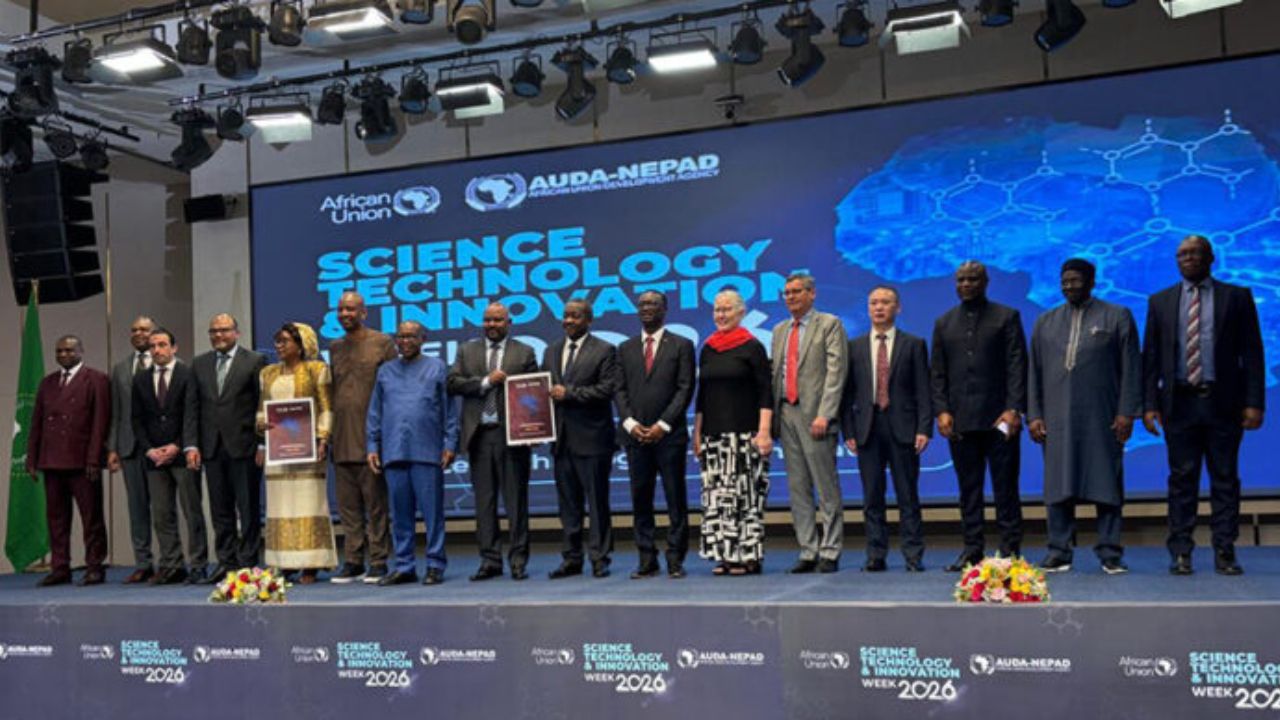
The funding was announced on 10 February during the Africa Science Week held in Addis Ababa, on the sidelines of the annual African Union summit in the Ethiopian capital.
It will back the third phase of the Science Granting Councils Initiative (SGCI), a partnership of 20 sub-Saharan African research funders created in 2015 to strengthen research grantmakers on the continent.
SGCI’s third phase will explicitly back the implementation of the Science, Technology and Innovation Strategy for Africa (Stisa) 2034, a pan-African 10-year STI plan endorsed by heads of state two years ago.
Taking ownership

The $42m comes from Canada’s International Development Research Centre, Norway’s government, the UK Foreign Commonwealth and Development Office, the Wellcome Trust, Germany’s research foundation DFG and South Africa’s National Science Foundation.
The International Development Research Centre said in a statement on LinkedIn that the funding builds on a commitment made by SGCI members last September to collaborate with the AU to strengthen African science.
The estimated full cost of Stisa-2034 is $6.8 billion according to an implementation plan for the strategy that Research Professional News reported on last month, and which was formally launched this week in Addis Ababa.
African countries need to step up to the plate and fund the strategy, South Africa’s science minister Blade Nzimande told the launch. “Even though we welcome the commitment made by our partners … I call on us as AU member states, especially my fellow ministers, let us invest in programmes and interventions to support the implementation of Stisa 2034,” he said.
Nzimande said that failure to do this would condemn Africa to remain dependent on the rest of the world for its development, as was seen during the Covid-19 pandemic, when Africa was last in line to access life-saving vaccines.
African science fund

Stisa 2034 aims to strengthen the take-up and sustainability of science, technology and innovation programmes across the continent by focusing on five priority sectors: agriculture, health, information and communication technologies, energy and the environment.
It will be implemented in two phases. The first five years will establish the infrastructure, regulatory frameworks and capacity-building initiatives needed to get the strategy’s STI programmes underway, including a dedicated African research fund.
Such a fund has been discussed at AU level for two decades, with little to show for it. Observers have blamed a lack of funding and political will for the lack of progress.
In his speech, Nzimande announced that South Africa’s National Advisory Council of Innovation was working on a report on how to create such a fund. Naci’s work will “supplement and inform” ongoing efforts to establish the fund by the AU Commission, Auda-Nepad and the African Development Bank, he said.
“I look forward to receiving this important report as it will guide us on how to take ownership of our research agenda and priorities in the continent,” he said.