

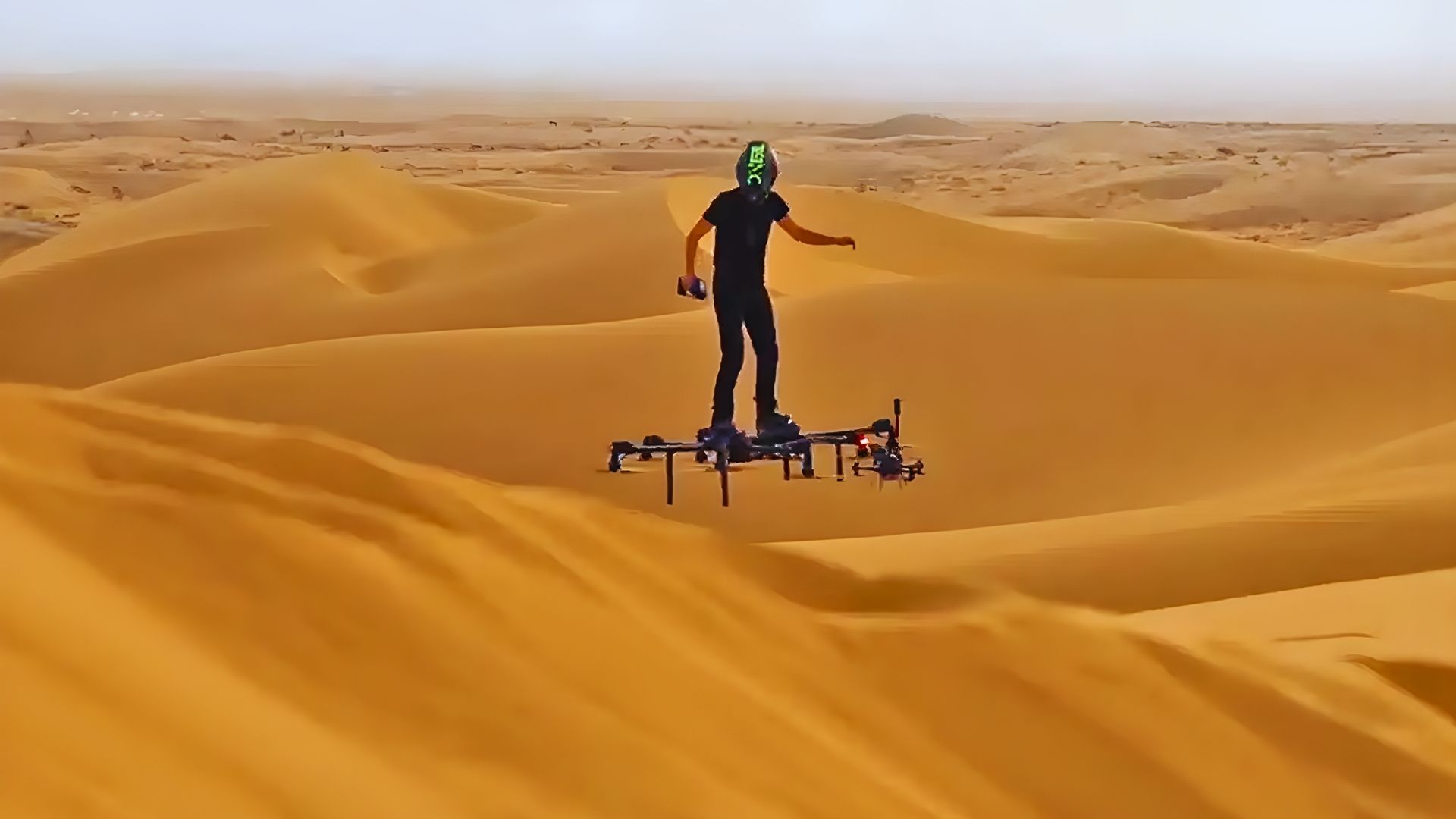
Drones, traditionally associated with surveillance and targeted strikes, are rapidly evolving into versatile tools with expanding roles on modern battlefields. While passenger-carrying drones are not yet licensed for commercial or civilian use, there is growing evidence that unmanned aerial vehicles (UAVs) are already being deployed in critical, life-saving operations such as airlifting wounded personnel from combat zones. Additionally, concerns are rising about their potential misuse for smuggling people across borders or conflict lines, raising complex ethical, security, and regulatory challenges.
Drones in Battlefield Medical Evacuations
One of the most promising and humanitarian applications of drone technology is in battlefield medical evacuations. Traditional medevac helicopters and ambulances often face significant risks due to hostile fire, difficult terrain, or logistical constraints. Drones, with their smaller size, agility, and ability to operate autonomously or remotely, offer a safer and faster alternative to extract injured soldiers or civilians from dangerous zones.
Several militaries and private companies have been experimenting with drones capable of carrying small payloads, including medical supplies and even human passengers in emergency scenarios. Though full-scale passenger drones remain in experimental phases, smaller drones have reportedly been used to airlift wounded personnel short distances, providing critical first aid and rapid transport to safer locations where traditional evacuation means can take over.
This capability could revolutionize battlefield medicine by reducing the time between injury and treatment, ultimately saving lives and improving recovery outcomes. Moreover, drones can access areas that are otherwise unreachable due to destroyed infrastructure or ongoing combat, making them invaluable assets in modern asymmetric warfare.
The Dark Side: Drones and Smuggling Risks
While the humanitarian potential of drones is significant, their misuse poses serious security threats. The same features that make drones effective for medical evacuations—stealth, speed, and maneuverability—also make them attractive tools for illicit activities such as smuggling people across borders or conflict zones.
In regions with porous borders or ongoing conflicts, drones could be employed to covertly transport individuals, bypassing traditional checkpoints and surveillance systems. This raises concerns about human trafficking, unauthorized migration, and the movement of combatants or spies. The use of drones for smuggling complicates law enforcement and border security efforts, as these UAVs can be difficult to detect and intercept.
Regulatory and Ethical Challenges
The rapid advancement of drone technology outpaces current regulatory frameworks, which have yet to fully address the complexities of passenger-carrying drones or their use in conflict zones. Licensing, safety standards, air traffic control integration, and accountability for misuse remain unresolved issues.
Ethically, the deployment of drones for medical evacuations must balance operational effectiveness with the dignity and safety of the individuals being transported. Similarly, preventing the misuse of drones for smuggling requires international cooperation and technological innovation in drone detection and countermeasures.
Looking Ahead
As drone technology continues to mature, its role in military and humanitarian operations will expand. The potential to save lives on the battlefield through rapid medical evacuation is a game-changer, but it must be carefully managed to prevent exploitation for illicit purposes.
Governments, militaries, and international organizations must work together to develop robust policies, invest in detection and defense systems, and promote ethical standards that harness the benefits of drones while mitigating their risks. The future of warfare and humanitarian aid will likely be shaped by how effectively these challenges are addressed in the age of unmanned flight.