
IDEA Television || Buisness News
For decades, Nigeria, despite being Africa’s largest oil producer, has relied heavily on imported refined petroleum products, particularly gasoline. This reliance has drained foreign reserves and stifled the growth of local refining capacity. The government’s recent policy to stop issuing new import licenses for gasoline aims to reverse this trend by encouraging domestic refining and reducing fuel importation.
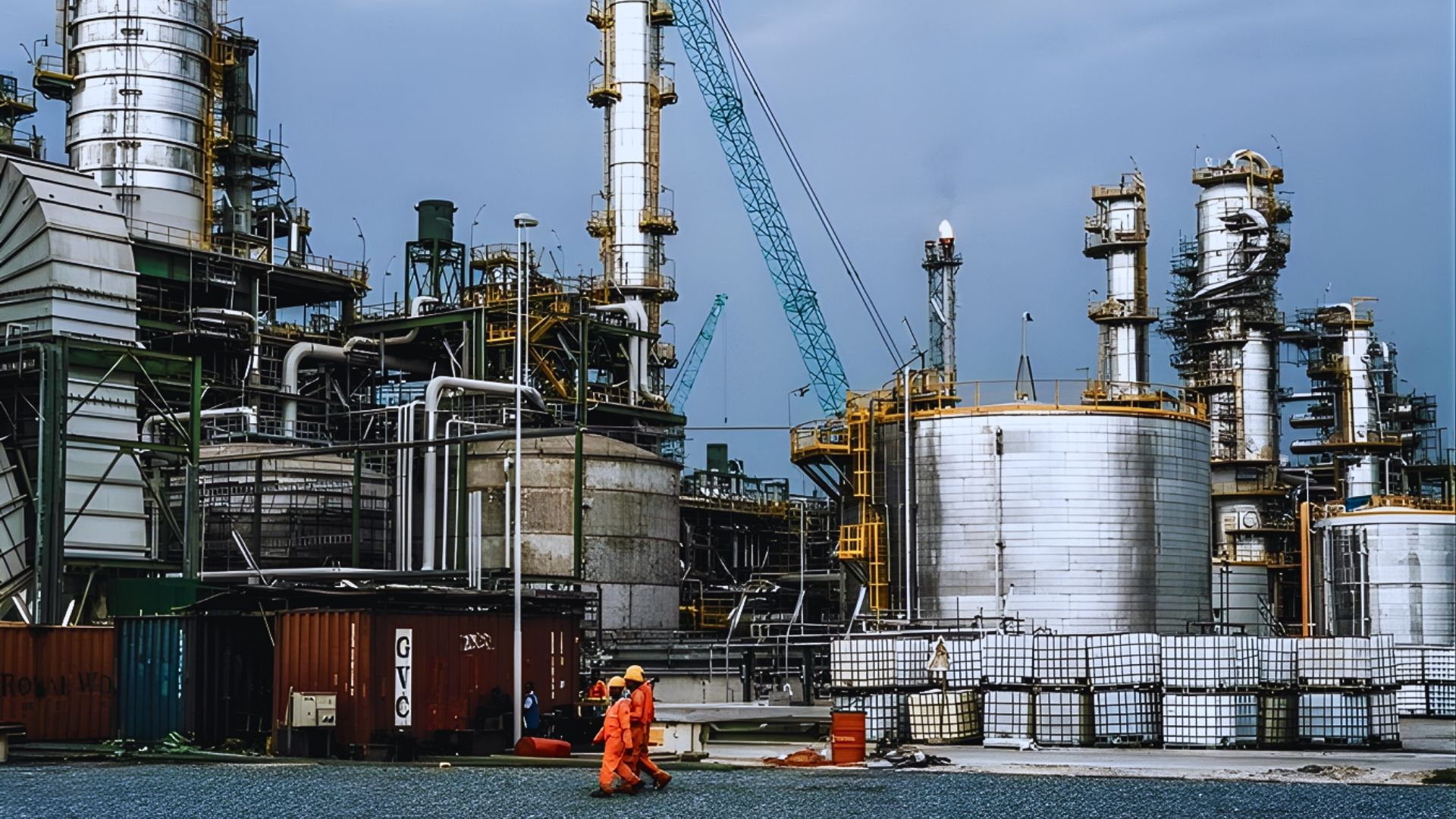
At the center of this policy shift is the Dangote Refinery, the largest single-train refinery in Africa, with a capacity of 650,000 barrels per day. Since its commissioning, the refinery has been positioned to transform Nigeria’s fuel supply chain by producing refined petroleum products locally at scale.
Aliko Dangote, Africa’s richest man, has been a vocal proponent of ending fuel imports, arguing that Nigeria’s vast crude oil reserves should be refined domestically to create jobs, conserve foreign exchange, and stabilize fuel prices. The refinery’s operational ramp-up aligns perfectly with the government’s new stance, making the halt on import licenses a strategic win for Dangote’s vision.
Economic and Industry Implications
- Boost to Local Refining Industry: By restricting gasoline imports, the government is effectively creating a protected market for local refiners, primarily the Dangote Refinery. This protection is expected to stimulate further investments in refining infrastructure and ancillary industries.
- Foreign Exchange Conservation: Nigeria spends billions of dollars annually on fuel imports. Curtailing import licenses will help conserve foreign reserves, which is critical for the country’s economic stability and currency strength.
- Job Creation and Economic Growth: Increased refining activities domestically will generate employment opportunities across the value chain—from refining operations to distribution and retail.
- Fuel Price Stability: Local refining reduces exposure to international supply shocks and currency fluctuations, potentially leading to more stable and affordable fuel prices for Nigerian consumers.
While the policy is a positive step, challenges remain. The Dangote Refinery must consistently meet domestic demand with high-quality products, and the government needs to ensure that the transition does not lead to fuel shortages or price spikes. Additionally, other local refiners and stakeholders will be watching closely to see how the market adjusts to this new regulatory environment.
Conclusion
Nigeria’s decision to halt gasoline import licenses is a bold move that underscores a commitment to industrialization and economic self-reliance. For Aliko Dangote, it validates years of investment and advocacy for a locally driven petroleum sector. As the Dangote Refinery scales up production, Nigeria could be on the cusp of a new era in its energy sector—one that promises greater economic benefits and reduced dependency on imports.
This development will be closely monitored by investors, policymakers, and industry players as Nigeria charts a new course toward energy independence and economic resilience.