

IDEA Television || Science Article
Source: PLOS One (2026) – “Antibacterial properties of experimentally produced birch tar”
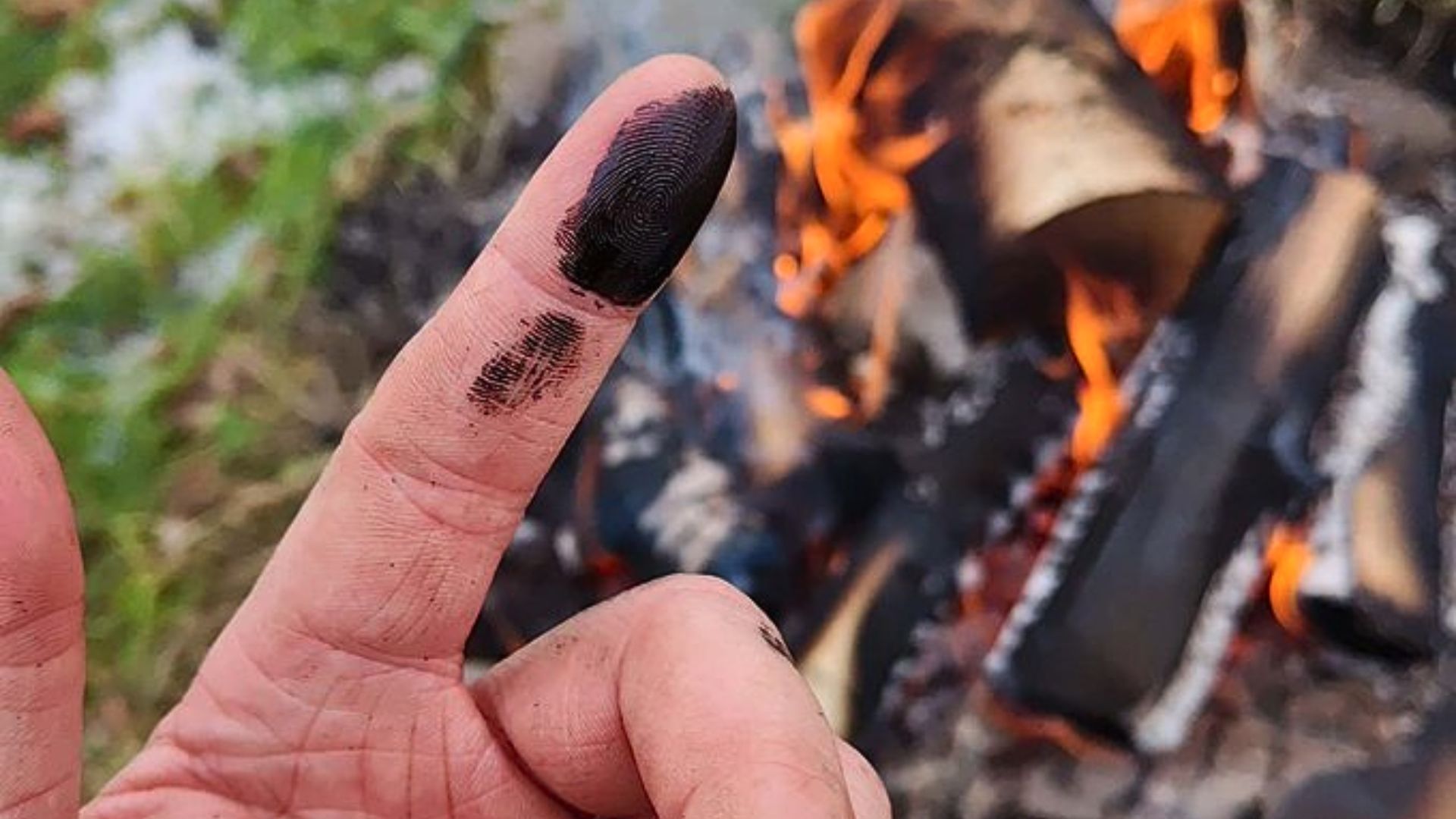
In a fascinating new discovery that bridges ancient archaeology and modern medicine, scientists have found strong evidence that Neanderthals used sticky tar made from birch tree bark not only to glue their stone tools together, but possibly also to treat wounds and fight skin infections.
Birch tar is one of the most common materials found at Neanderthal archaeological sites across Europe. For decades, experts believed our ancient cousins used it mainly as an adhesive to attach stone tips to wooden handles. But a fresh study published in the journal PLOS One suggests it had another important purpose — as an early form of medicine.
Researchers from the University of Cologne, University of Oxford, University of Liège, and Cape Breton University recreated birch tar using the same low-tech methods that would have been available to Neanderthals more than 200,000 years ago. They produced the tar through simple techniques such as heating birch bark over fire, using raised structures, or condensation methods.
They then tested the tar against common bacteria. The results were clear: almost all the samples successfully inhibited the growth of Staphylococcus aureus — a dangerous Gram-positive bacterium that causes many skin and wound infections, including the modern antibiotic-resistant strain known as MRSA. Interestingly, the tar showed no effect against Escherichia coli (a Gram-negative bacterium), showing it works selectively.
Lead researcher Tjaark Siemssen noted that the antibacterial properties appeared consistently, regardless of the exact production method. This means even the simplest techniques Neanderthals could have used produced tar with real medicinal value.
The findings align with traditional knowledge from Indigenous communities. For example, the Mi’kmaq people in Canada and the Saami in Lapland have long used birch tar as a wound dressing and skin ointment.
This discovery adds to growing evidence that Neanderthals were far more sophisticated than once thought. They were not only skilled toolmakers and hunters but may also have practised a form of healthcare — deliberately using natural resources to stay healthy in a harsh Ice Age environment.
As the world grapples with rising antibiotic resistance, this 200,000-year-old “innovation” from our extinct cousins reminds us that nature has long held powerful solutions.
At IDEA TV — Africa’s first innovation television station — we celebrate how ancient knowledge continues to inspire modern science and innovation.
Who knows? The sticky black tar of the Neanderthals might one day help us develop new natural treatments in the fight against infections.
Stay curious. Stay innovative.