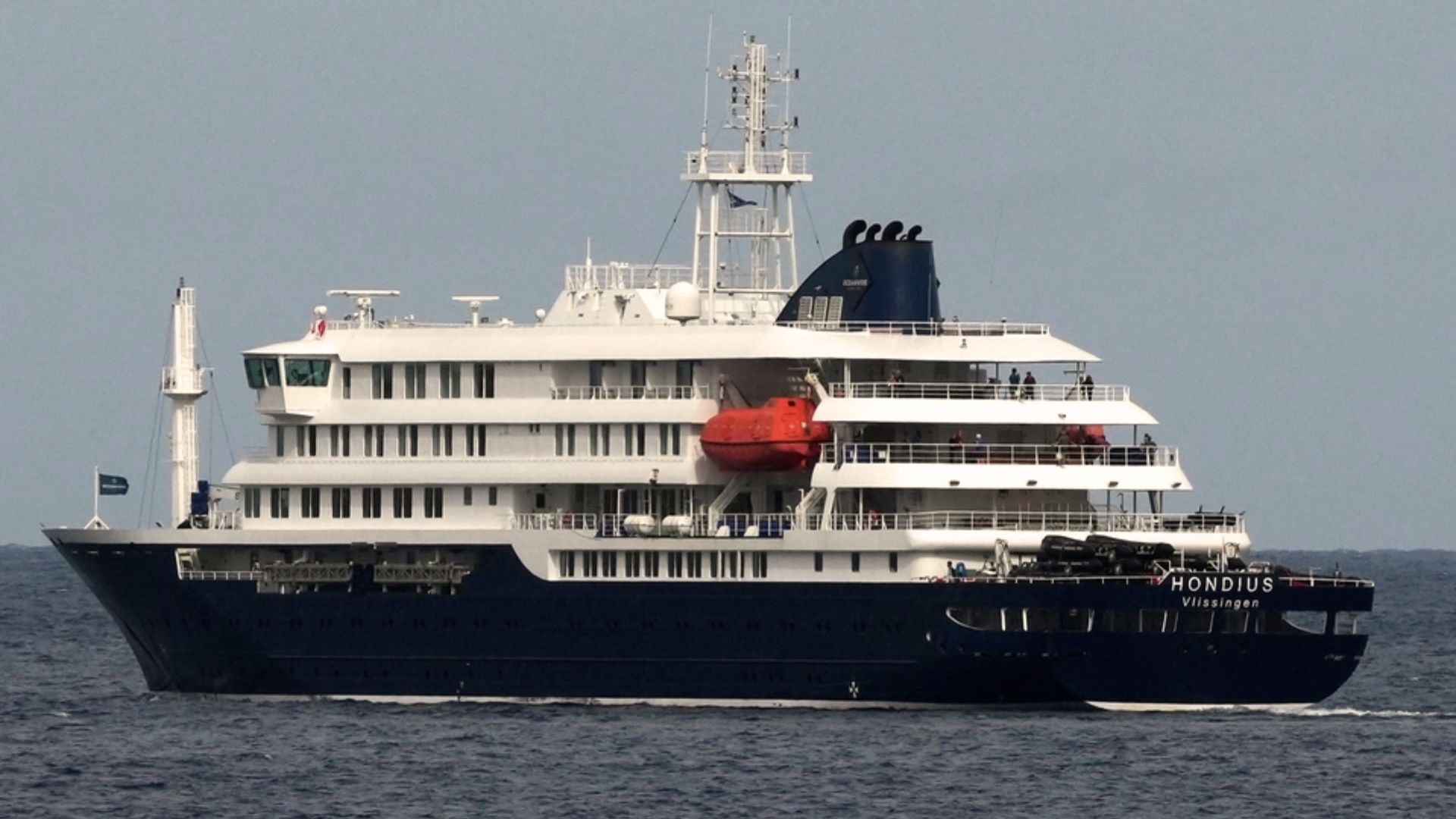
A rare hantavirus outbreak aboard a luxury cruise ship has killed three people, infected at least eight, and prompted an international emergency — but WHO says the world is not facing a new pandemic.

A Dutch-flagged cruise ship sailing the Atlantic has become the centre of an unprecedented international public health response after an outbreak of hantavirus — a rare and lethal disease — was confirmed among passengers. The vessel, the MV Hondius, departed Ushuaia, Argentina, on April 1st and is now making its way to Spain’s Canary Islands after Cabo Verde declined to allow it to dock.
As of May 7th, eight cases have been linked to the ship — five laboratory-confirmed infections and three suspected cases. Three passengers have died. A fourth remains critically ill in an intensive care unit in South Africa, and a Swiss national who disembarked and returned home has also tested positive and is receiving hospital treatment in Zurich.
What is hantavirus — and should you be worried?
Hantaviruses are a group of viruses carried by infected rodents. Humans typically contract the disease through contact with rodent urine, faeces, or saliva. The strain identified on the MV Hondius is the Andes virus — a variant found primarily in parts of South America — and it is the only known hantavirus capable of limited human-to-human transmission. That transmission, however, requires close and prolonged contact, such as between household members, intimate partners, or healthcare workers.
WHO statement
“This is not SARS-CoV-2. This is not the start of a COVID pandemic,” said Maria Van Kerkhove, WHO acting director for epidemic and pandemic management. “Hantaviruses have been around for quite a while. We know this virus.”
The World Health Organization held a briefing on Thursday in which Director-General Dr. Tedros Adhanom Ghebreyesus described the outbreak as “a serious incident” while maintaining that the global public health risk remains low. However, WHO has warned that additional cases could still emerge, since the incubation period for Andes hantavirus can stretch up to six weeks.

How did it start?
The first patient reportedly developed symptoms on April 6th and later died aboard the vessel. Two of the three deaths may be linked to a married Dutch couple who investigators believe could have contracted the virus during a birdwatching excursion in Ushuaia — near a landfill where they may have been exposed to infected rodents. A second passenger, a woman who was a close contact of the first case, disembarked at Saint Helena and died at a hospital in Johannesburg on April 26th after rapidly deteriorating during a connecting flight to South Africa.
The UK government first notified WHO on May 2nd, triggering an international response under the International Health Regulations framework. WHO is now coordinating with Cabo Verde, Spain, the Netherlands, South Africa, the United Kingdom and Argentina, alongside the European Centre for Disease Prevention and Control.
What is happening now?
A WHO expert, Dutch doctors, and a European disease specialist have boarded the ship and are conducting full medical assessments of all 147 passengers and crew from 23 nationalities. WHO has also arranged for 2,500 diagnostic kits to be shipped from Argentina to laboratories across five countries to bolster testing capacity.
Spain agreed to allow the ship to dock in Tenerife — a move Dr. Tedros praised as an act of solidarity. Spanish authorities have indicated that non-Spanish passengers will be repatriated to their home countries upon arrival, and that the public health risk to residents of the Canary Islands is assessed as low.
Meanwhile, Argentina has reported a sharp rise in domestic hantavirus cases — 101 infections recorded since June 2025, roughly double the figure from the same period last year — though the source of the shipboard outbreak remains under active investigation.