
West Africa is seeing a wave of harsh anti-LGBTQ+ legislation — but speed without scrutiny rarely produces good law. We weigh both sides of the debate.
IDEA Television Editorial Desk

WATCH FULL VIDEO: https://www.youtube.com/live/K7lAX_Mjr8M?si=QYcIgU0-7kTefes_
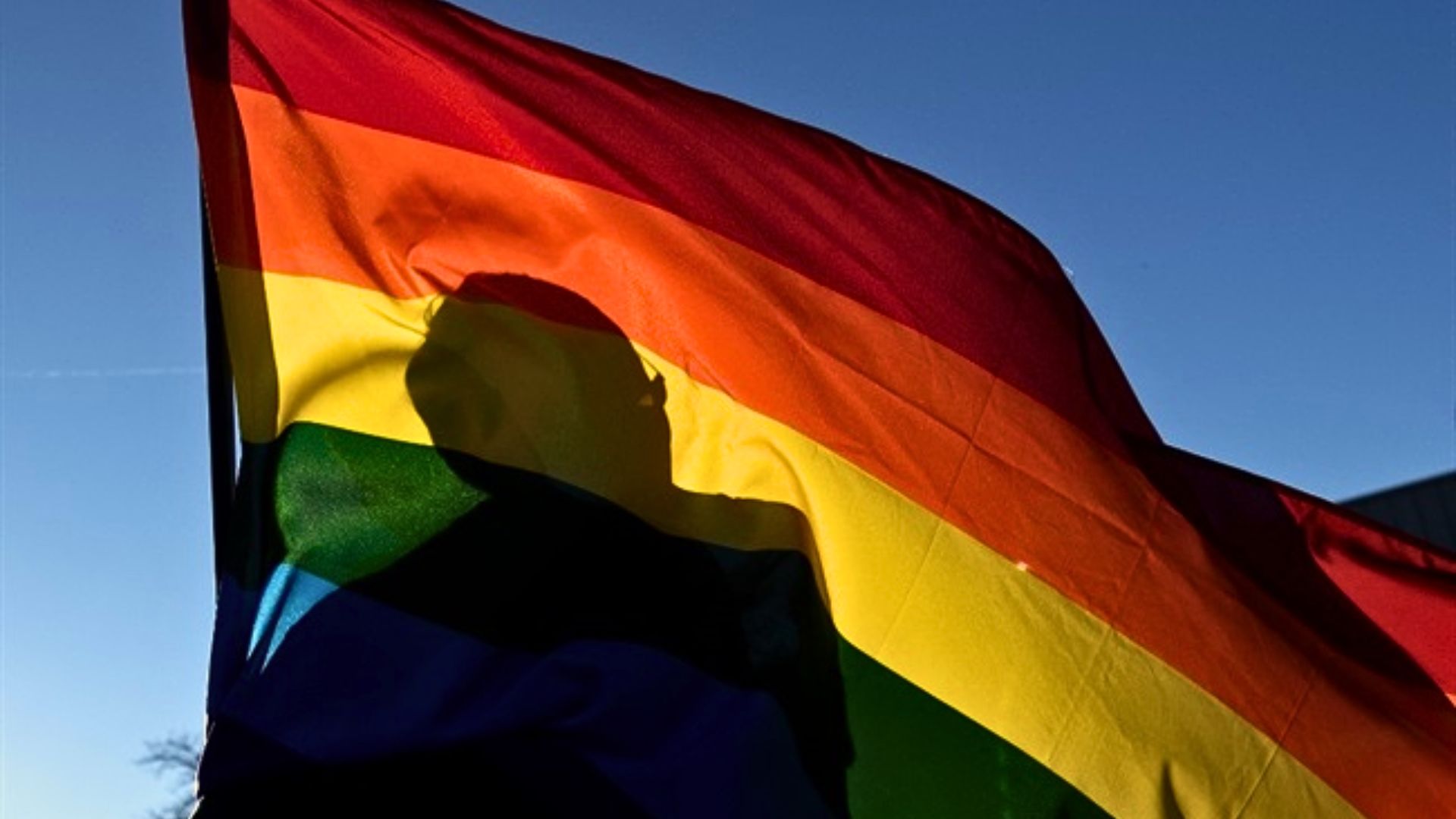
Ghana’s parliament passed the Human Sexual Rights and Family Values Bill on May 29, 2026 — for the second time in two years. It now sits on President John Mahama’s desk awaiting his signature. Unlike the last time, Mahama has not rushed. Speaking in London, he acknowledged the bill still has “quite a while to go” through legal review. That pause, however brief, raises a question that cuts to the heart of good governance: should a law with this kind of consequence — criminalising identity, restricting speech, threatening healthcare — be enacted quickly, or properly?
The answer, regardless of where one stands on the cultural debate, should be clear: laws that carry prison terms deserve rigorous scrutiny. The stakes are too high for shortcuts.
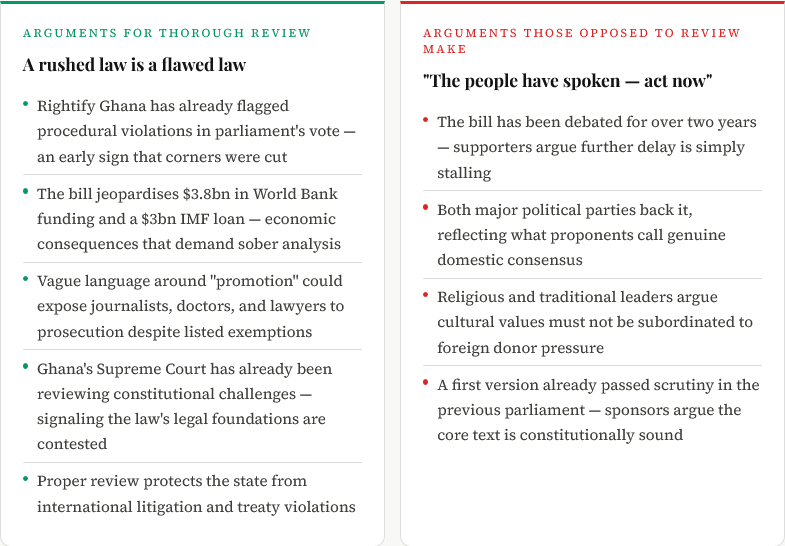
The “two years of debate” argument holds some weight, but there is a difference between political debate and constitutional scrutiny. A bill can be loudly popular and still be legally unsound. Ghana’s own courts know this — the Supreme Court suspended a previous iteration precisely because legal questions remained open. That history alone is reason to slow down, not accelerate.
There is also the human cost of speed. Rights groups are already documenting a chilling effect: LGBTQ+ Ghanaians deleting social media, fleeing the country, avoiding hospitals. These are not hypothetical harms. They are happening now — before the bill is even law. A properly reviewed piece of legislation would define its terms precisely enough to limit prosecutorial overreach. Without that precision, the law’s practical scope will be determined not by parliament’s intent, but by the most hostile interpretation any future prosecutor chooses to apply.
On the economic question, dismissing donor pressure as “foreign interference” may play well domestically but ignores that Ghana is in the middle of a painful IMF recovery programme. Jeopardising nearly $7 billion in multilateral financing is not a cultural statement — it is a policy decision with consequences for every Ghanaian, regardless of their views on sexuality.