
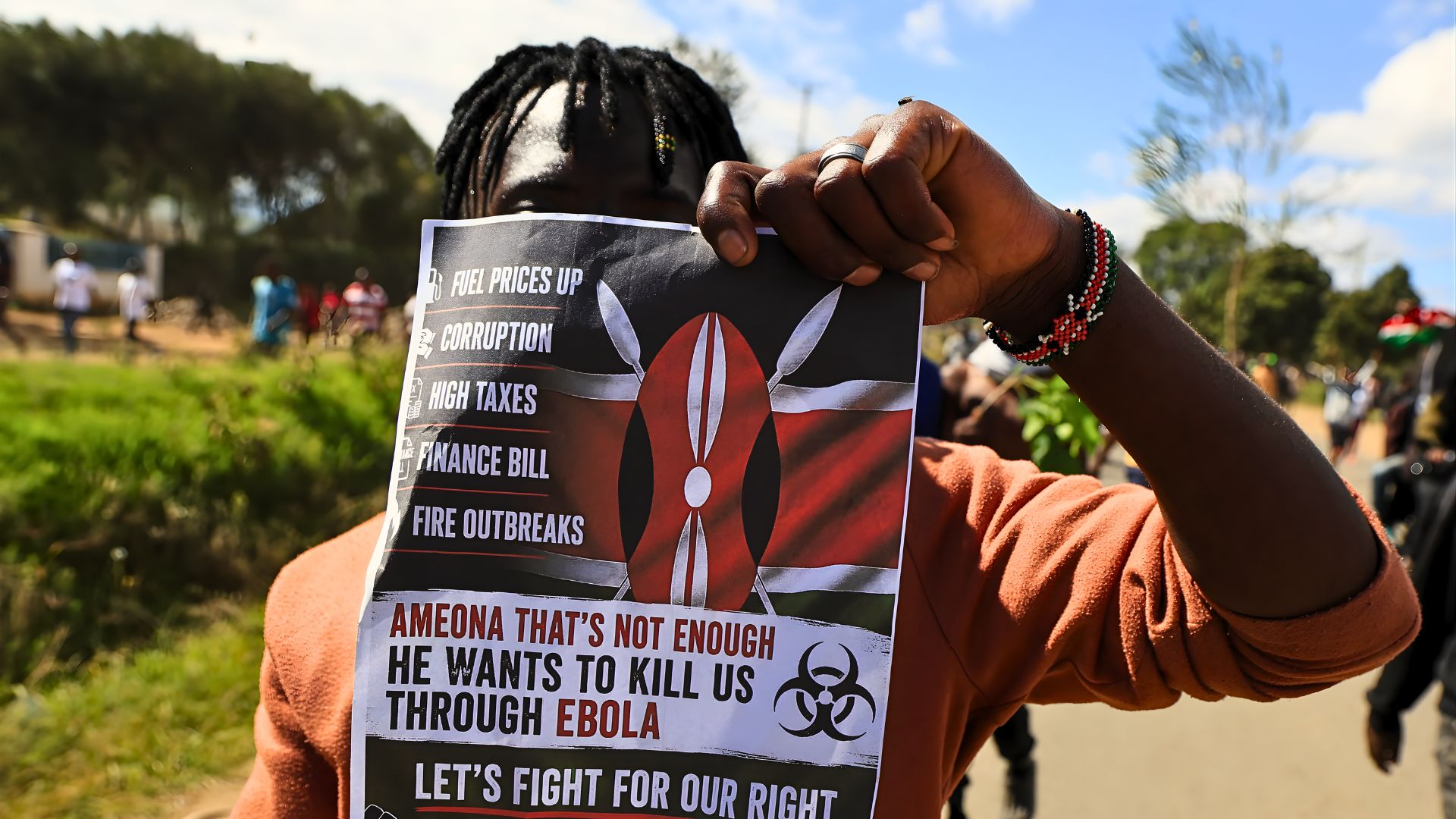
Hundreds of residents in Nanyuki, a town in central Kenya’s Laikipia County, took to the streets on Monday to reject a US-backed Ebola quarantine facility planned for Laikipia Air Base — a move that has ignited a fierce national debate over public health sovereignty, foreign influence, and Kenya’s role in managing an epidemic it has no part in.
By IDEA Television News Desk
US officials revealed last week that the United States military intends to establish a 50-bed quarantine unit at Laikipia Air Base to house Americans who have been exposed to Ebola while abroad but are not yet showing symptoms. Rather than repatriating exposed citizens directly to the US, Washington had planned to route them through Kenya — a country that has recorded zero Ebola cases.
The US government has pledged $13.5 million toward Kenya’s Ebola preparedness as part of the arrangement. Secretary of State Marco Rubio confirmed the financial commitment, while Kenya’s Health Minister Aden Duale defended the deal, saying the facility is intended for “everyone” and not exclusively for American nationals.
The facility was scheduled to become operational last Friday.
Protests and Court Order
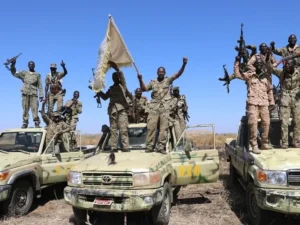
Demonstrators flooded roads leading to the Laikipia airbase, blowing whistles and erecting barricades, with smoke rising from burning debris on the road. Police and military personnel were deployed in force around the base perimeter.
The protests came just days after Kenya’s High Court ordered a temporary suspension of the project, following a lawsuit filed by the Law Society of Kenya and a constitutional watchdog. Both groups argue that Kenya’s health system is too fragile to safely host Ebola patients from abroad.
Laikipia Governor Joshua Irungu has been among the most vocal local opponents. “This will expose our people to Ebola,” he warned, noting that many residents of Nanyuki work inside the air base and face direct risk of exposure.
Despite the court order, reports emerged of military aircraft flying in and out of Nanyuki over the weekend — fuelling further suspicion and outrage among residents.
The Bigger Picture
The Ebola strain at the centre of concern is the Bundibugyo virus — a rare and particularly deadly strain for which there is currently no approved vaccine or treatment. At least 263 confirmed cases have been reported in the Democratic Republic of Congo (DRC), with neighbouring Uganda recording nine cases and shutting its border with the DRC.
Kenya, while currently unaffected, sits in a geographically vulnerable region. Critics argue that deliberately routing potentially exposed individuals through Kenyan soil dramatically increases the country’s risk, no matter how controlled the facility is claimed to be.
Why It Matters
This controversy touches on wider questions facing African nations: the terms on which foreign powers — particularly the United States — are permitted to operate on African soil, and whether economic partnerships and aid packages come with conditions that compromise local interests.
For Kenyans, the memory of being asked to absorb risks that wealthy nations are unwilling to take at home is a familiar and painful one. The protests in Nanyuki are not simply about one facility — they are a statement about who gets to make decisions when lives are at stake.
As the High Court case continues, the standoff between Kenyan civil society and both their own government and Washington remains unresolved.