From a $700,000 physics lab in Accra to training the next generation of African climate leaders — two landmark initiatives at the University of Ghana are quietly reshaping how the continent monitors pollution and responds to the climate crisis.
IDEA Television News Desk
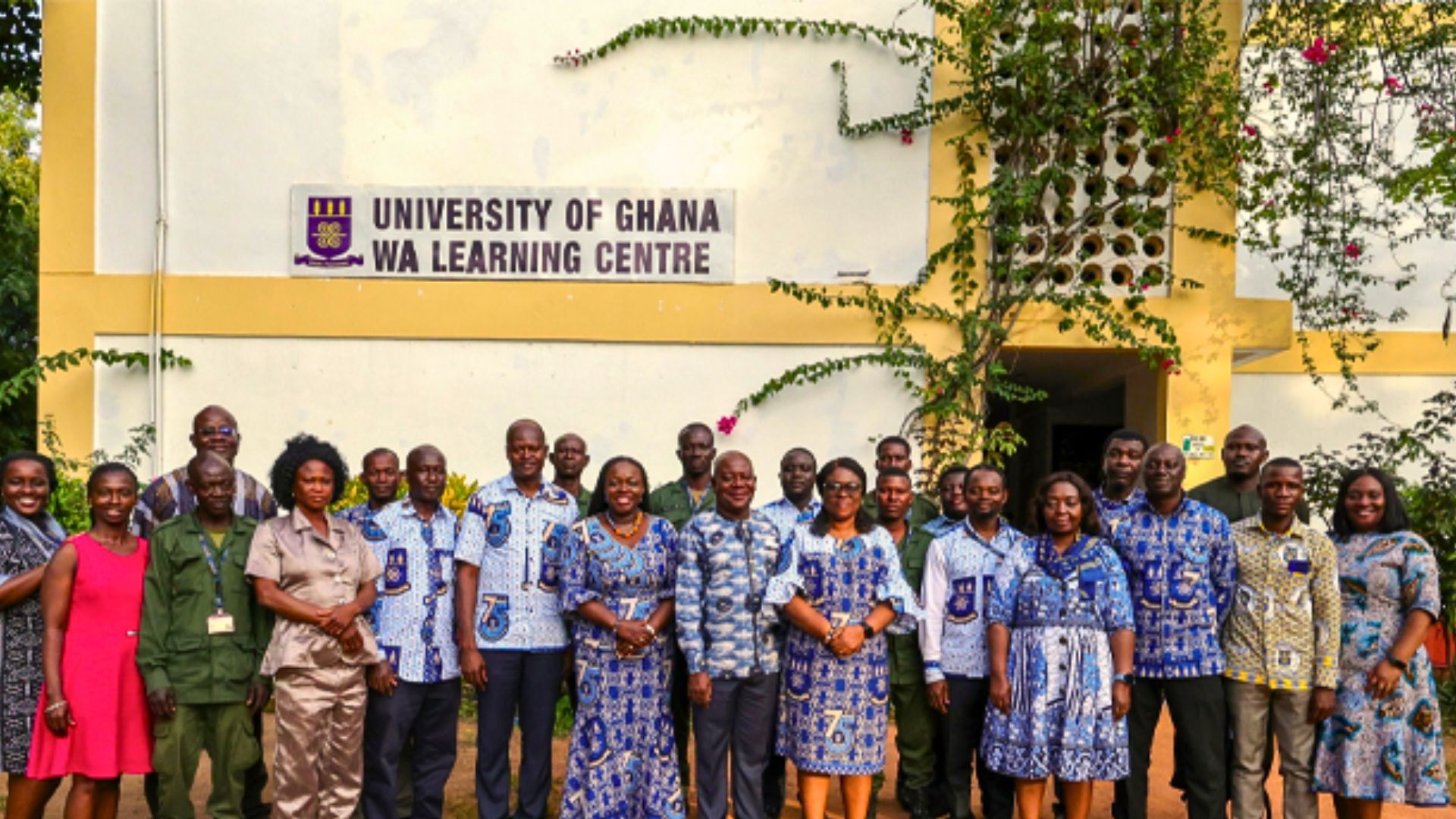
The University of Ghana is positioning itself as a continental hub for public health and environmental policymaking — through two distinct but complementary initiatives that address a problem most African governments have historically struggled to tackle: the lack of reliable, locally calibrated environmental data. The university revealed the scale of its efforts during a courtesy visit by the Climate Beyond Borders Caravan, an initiative of the People Planet and Peace Foundation.
At the heart of one initiative is Afri-SET — the Africa Air Sensor Evaluation and Training facility, housed within the university’s Department of Physics. The project was established through a $700,000 grant from the Clean Air Fund, UK, with additional support from the United States Department of State. Its core purpose is straightforward but critical: to test, calibrate and evaluate low-cost air quality monitoring devices so they produce accurate pollution data under African environmental conditions — conditions that most commercially available sensors were never designed to handle.

“Most air sensors are designed for the Global North, making them less accurate under African environmental conditions.”
— Allison Hughes, Afri-SET Project Facility Manager, University of Ghana

Vice-Chancellor Nana Appeiah praised both efforts, framing them as essential to Africa’s long-term ability to define and respond to its own environmental challenges — rather than relying on data and frameworks built elsewhere. The Afri-SET sensor loan library is particularly practical: institutions and organisations across West Africa can borrow air monitoring tools to build localised datasets, then return them. It is a model designed to lower the cost of environmental accountability and bring air quality data within reach of communities that have historically had none.
Together, the two initiatives reflect a broader shift underway at African universities — away from simply teaching existing knowledge and toward generating the continent-specific research, tools and leaders that African governments and communities need to design effective climate and health policy. That shift may not grab global headlines, but it is precisely the kind of institution-building that makes long-term progress possible.