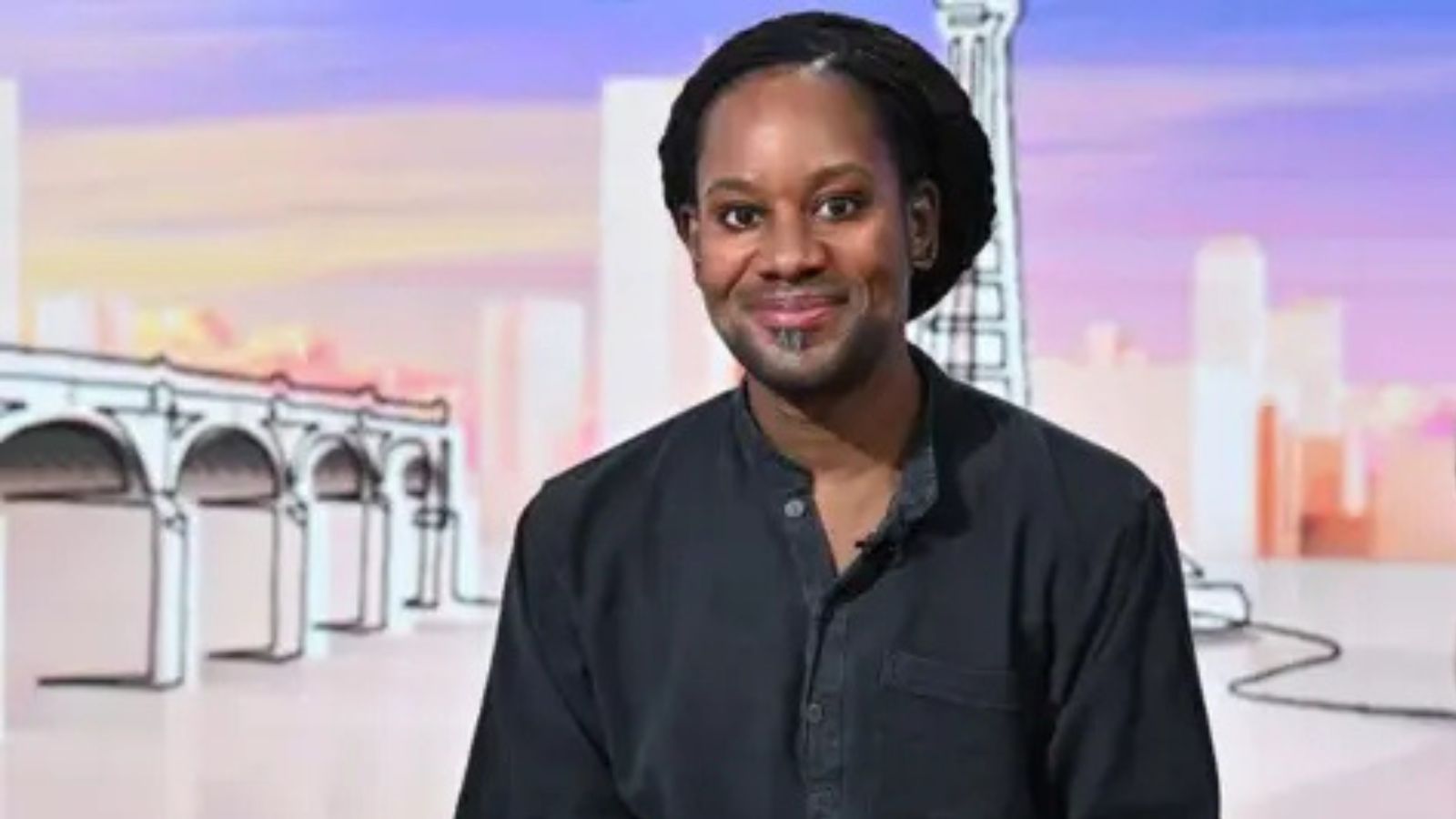
Sir Patrick Vernon OBE FrHistS has launched a GoFundMe appeal to support the family of Professor Jason Arday, the former University of Cambridge academic whose death has prompted an outpouring of grief and renewed debate about media scrutiny, race, academia and the treatment of public figures under intense pressure.
Vernon, a prominent Windrush campaigner, said the fundraising appeal was intended to help Arday’s family deal with the financial and practical pressures that accompany the loss of a loved one.
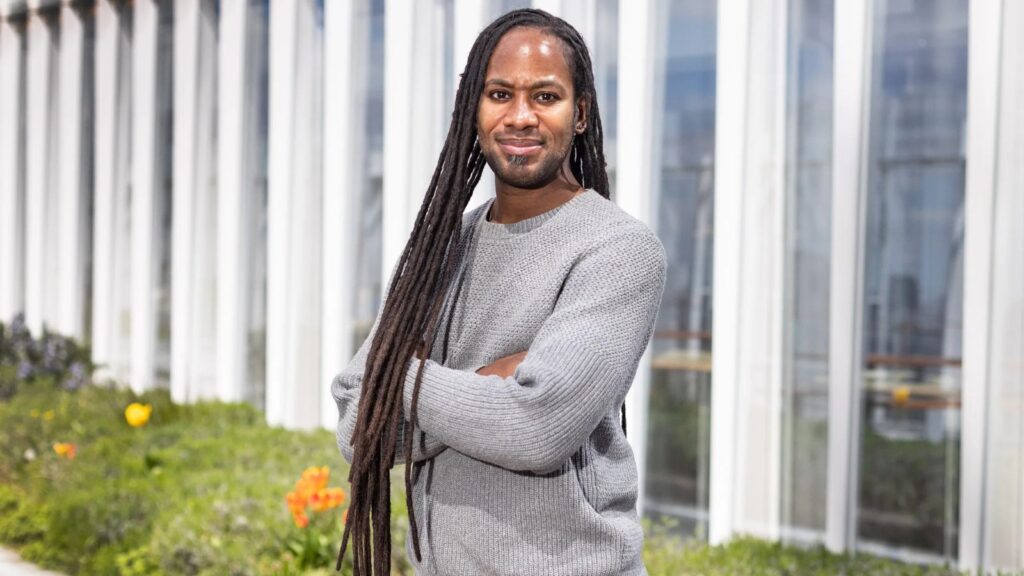
“I have seen first-hand how, at the moment when a family is experiencing profound grief, the financial cost of a funeral and the practical responsibilities surrounding a death can become an additional burden,” Vernon wrote in launching the appeal.
He urged supporters to focus on Arday’s humanity while allowing time for wider questions about the circumstances surrounding his death.
“This appeal is therefore very simple: Let us help Jason’s family in their hour of need,” Vernon said.
Who was Professor Jason Arday?
Professor Jason Arday was a British sociologist and academic whose work focused extensively on race and higher education, inequality, intersectionality, mental health, education and neurodiversity.
He made history in 2023 when, at the age of 37, he became the youngest Black professor appointed at the University of Cambridge. He joined Cambridge as Professor of Sociology of Education in the Faculty of Education.
Arday’s personal journey was also central to his public profile.
Born to Ghanaian parents and raised in south London, he was diagnosed with autism and global developmental delay as a child. He did not speak until he was 11 and did not learn to read and write until he was 18.
Despite those early challenges, he went on to university, obtained postgraduate qualifications and completed a PhD in education. His remarkable rise through academia made him an important voice on access to education, racial inequality and the experiences of marginalised communities.
His work also extended beyond the university. Arday was involved with organisations and initiatives concerned with race equality, education, mental health and social justice, and served in advisory and trustee roles.
The controversy before his death
In the weeks before his death, Arday became the subject of intense public scrutiny following allegations concerning his academic record, including claims of plagiarism in his doctoral thesis and questions about aspects of his professional and personal history.
Arday denied the broader allegations, while acknowledging mistakes in some of his academic work. Cambridge subsequently announced an investigation into his appointment and academic credentials. He resigned from the university shortly afterwards.
The controversy rapidly expanded beyond questions about academic integrity, with intense media coverage and widespread debate about race, diversity and the treatment of Black academics.
Arday and his supporters had previously spoken about harassment and threats that he said he had experienced. Following his death, his family described the prolonged public abuse and harassment as having become overwhelming.
How did Jason Arday die?
Arday, 41, was found unresponsive at a property in Battersea, south London, in August 2026. The Metropolitan Police said his death was unexpected but was not being treated as suspicious. An investigation into the circumstances was continuing.
Several reports have described his death as suicide, although the police announcement initially confirmed only that the death was unexpected and not suspicious. Any final determination concerning the circumstances of his death remains subject to the official investigation and inquest process.
The timing of his death, coming shortly after his resignation from Cambridge and amid intense public scrutiny, has intensified calls for reflection on the impact of sustained media attention and public criticism.
Sir Patrick Vernon: “Remember the person, not simply the controversy”
Against that background, Vernon has called for compassion towards Arday’s family.
He acknowledged that he, too, had watched the intense scrutiny surrounding Arday with concern but had hesitated to speak publicly.
Vernon said he had previously experienced similar hesitation while watching the public treatment of other prominent Black figures, including Diane Abbott and Dr Halima Begum.
He described his silence during the Arday controversy as something he now regrets.
“I wish I had posted. I wish I had reached out to him,” Vernon wrote, adding that people should care for one another even when they do not personally know the individual at the centre of a crisis.
Vernon said supporting the family through the fundraiser was one small but useful action he could take now.
Family support at the centre of the appeal
The fundraiser comes as tributes continue to emerge for Arday, with thousands of people gathering in London’s Trafalgar Square on August 17 to remember him.
The vigil, organised by Stand Up to Racism, brought together academics, politicians, campaigners and members of the public. Speakers remembered Arday for his contribution to education, mentoring and advocacy, while also raising concerns about the treatment he received during the final weeks of his life.
For Vernon, however, the immediate priority is the family left behind.
His appeal asks members of the public to put aside the wider controversy temporarily and offer practical support to those mourning a son, brother, relative and loved one.
The fundraiser has also become part of a wider national conversation about how society responds when public scrutiny becomes relentless, particularly when the individual involved is already facing significant personal pressure.
As Vernon put it, there will be “an appropriate time for wider reflection about what happened to Jason.”
For now, his message is centred on compassion: remember the person, support the family and allow those closest to Jason Arday the space to grieve.