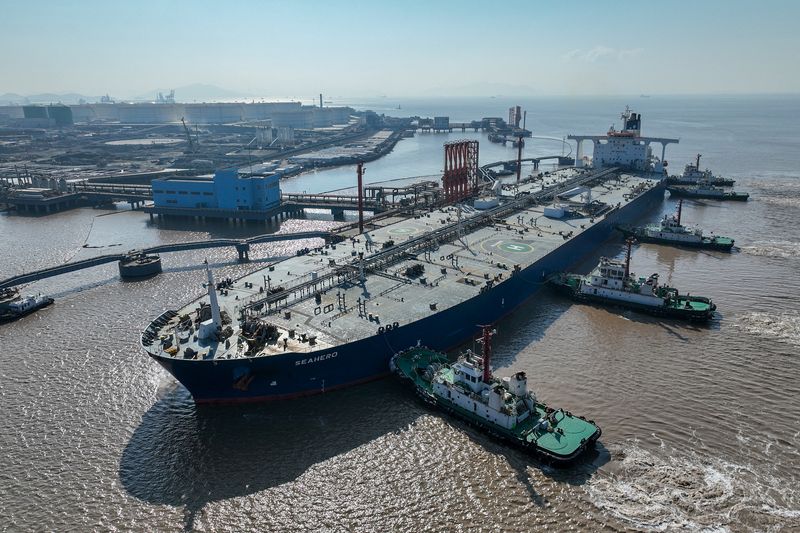
Some of the world’s largest oil trading companies are seeking approval from the United States government to put sanctioned oil tankers back into commercial service as a growing shortage of vessels drives global shipping costs sharply higher.
According to a Bloomberg report, major traders including Trafigura, Vitol and Mercuria, alongside Abu Dhabi National Oil Company (ADNOC), are in discussions with US officials to obtain licences allowing them to purchase or lease vessels currently blacklisted under American sanctions.
The discussions reportedly involve approximately 50 tankers, with US Treasury officials considering applications on a case-by-case basis. However, no final decisions have been announced.
The move comes amid prolonged disruptions to global shipping linked to the Iran war, which have forced oil tankers to take longer routes, increased insurance premiums and complicated shipping operations around the strategically important Strait of Hormuz.
The disruptions have significantly increased the cost of transporting crude oil. According to the report, chartering a supertanker to transport oil from the US Gulf Coast to China reached nearly $80 million in October, approximately ten times the average cost before the conflict.
Shipping expenses have also affected the competitiveness of American crude in international markets. Valero estimated last month that transporting US crude to Asia had risen to between $30 and $35 per barrel, compared with approximately $5 a year earlier.
The rising costs are already influencing global oil trade. Asian purchases of US crude scheduled for November delivery reportedly dropped by about 50 per cent in October, potentially bringing shipments to their lowest level in seven years.
Industry analysts believe allowing additional tankers into service could help ease the supply shortage and reduce pressure on freight rates.
US Energy Secretary Chris Wright said last month that Washington was exploring arrangements that could allow investors to acquire and refurbish blacklisted vessels for the transportation of legitimate oil cargoes.
Data compiled by Bloomberg from US Treasury records showed that, as of November 4, American sanctions covered 1,568 ships, including 462 crude oil tankers.
However, the extent to which the proposed arrangement could ease the shipping crisis will depend on the condition and availability of the vessels approved.
Returning previously idle tankers to commercial operations could increase the global supply of shipping capacity. However, granting licences to vessels already transporting sanctioned oil may have a more limited impact on the shortage.
Many of the blacklisted ships are also ageing vessels that may require extensive repairs, inspections and insurance arrangements before they can operate in the conventional shipping market.
Furthermore, approval from Washington would not automatically lift restrictions imposed by other jurisdictions. Tankers authorised by the United States could still face sanctions under separate European Union and British regulations.
The discussions highlight the growing pressure on global energy supply chains as oil traders seek alternative ways to secure shipping capacity amid rising costs and geopolitical uncertainty.