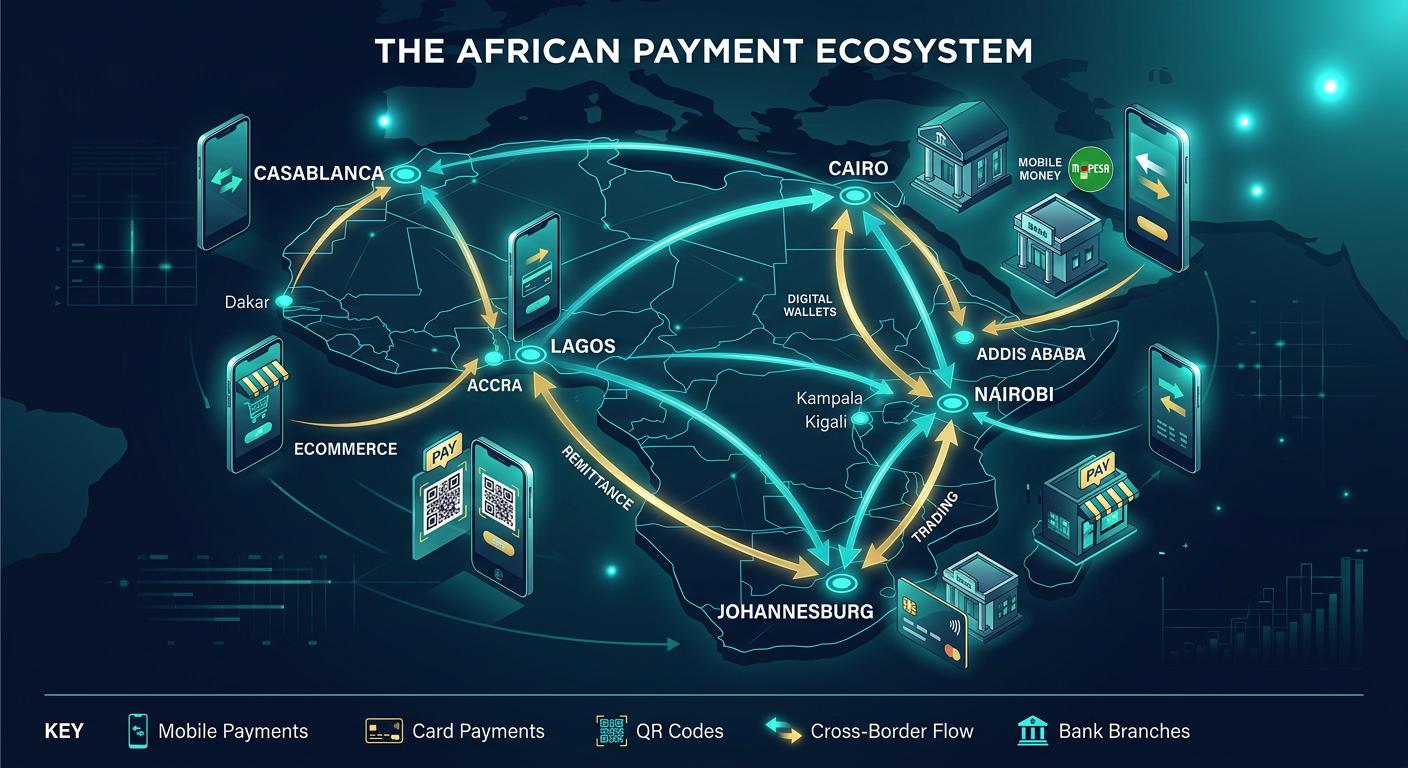
The African Export-Import Bank is calling for wider adoption of the Pan-African Payment and Settlement System as part of efforts to reduce the cost of cross-border transactions and strengthen intra-African trade.
Afreximbank Executive Vice-President for Global Trade Bank, Haytham El Maayergi, made the call during the opening of the bank’s Trade Finance Seminar and Compliance Forum in Gaborone, Botswana.
He said Africa loses more than five billion dollars annually through the costs associated with settling intra-African trade transactions in foreign currencies.
The Pan-African Payment and Settlement System, known as PAPSS, was developed to allow businesses and financial institutions to make cross-border payments in local African currencies.
The platform aims to reduce the need for businesses to convert local currencies into international currencies such as the US dollar before completing transactions with other African countries.
BusinessTech Africa reported that PAPSS has expanded to approximately 32 African countries, with more than 220 commercial banks and payment providers connected, alongside national and regional payment switches.
The report also indicated significant growth in transaction volumes and values between comparable periods in 2025 and 2026.
Nigeria was identified as a major contributor to the growth in platform usage.
However, wider network participation does not automatically mean that all businesses and banks are actively using the system. Afreximbank is therefore encouraging financial institutions to move beyond technical connectivity towards regular transactions.
PAPSS represents an important example of how African-developed financial technology could strengthen economic integration.
For small businesses, digital payment systems that support local currencies could reduce transaction costs, shorten settlement times and make it easier to purchase goods and services from other African countries.
The system also creates opportunities for fintech developers, cybersecurity specialists, payment infrastructure providers and financial institutions.
Nigeria’s technology sector could benefit from stronger integration with other African markets, particularly if local fintech companies can build products that connect businesses to the continental payment network.
The long-term objective is a more integrated African digital economy in which trade can take place more easily without excessive dependence on foreign-currency settlement systems.