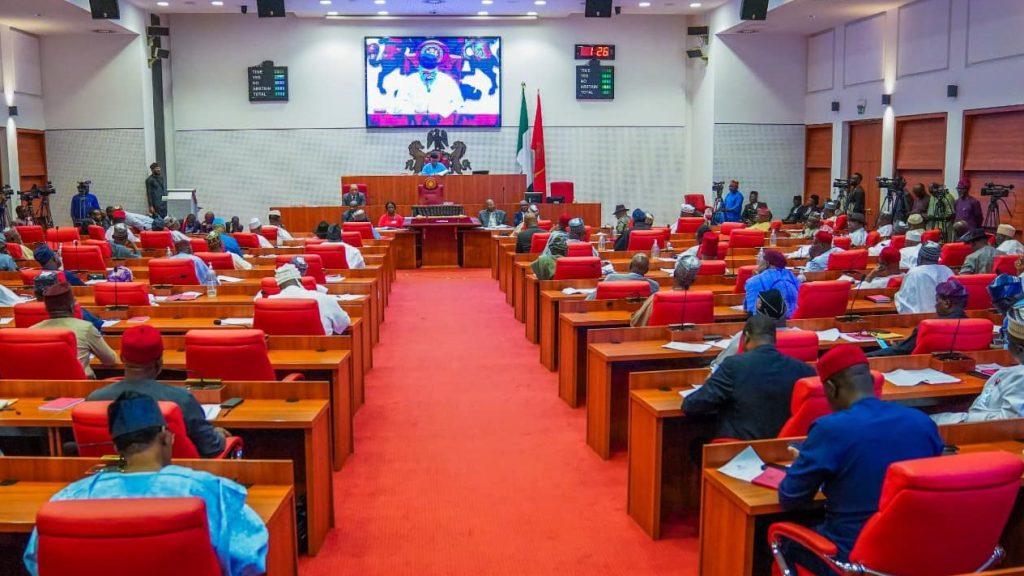
Nigeria’s Senate has called on the Independent National Electoral Commission to enforce provisions of the 2026 Electoral Act against political candidates whose supporters are found to have instigated or participated in electoral violence.
The Senate’s position comes amid growing political tension and reported attacks involving political leaders, supporters and campaign convoys ahead of the 2027 general elections.
Senate President Godswill Akpabio made the call during plenary, following a motion sponsored by Senator Abdul Ningi on the need to address political violence, intolerance and attacks on political figures.
Lawmakers warned that political violence could undermine democratic institutions, discourage voter participation and weaken public confidence in the electoral process.
The Senate also called on security agencies to investigate reported attacks involving the convoys of President Bola Tinubu, Peter Obi and former Vice-President Atiku Abubakar, identify those responsible and prosecute offenders.
The chamber further urged state governors to ensure that opposition parties are not denied access to public facilities, including stadia and other venues, for legitimate political activities.
However, disqualification must follow the applicable provisions of the law and established legal procedures. The Senate’s call is not itself a declaration that any particular candidate has been found guilty.
Technology can strengthen electoral transparency and public safety through digital incident-reporting platforms, secure evidence preservation, election-monitoring applications and early-warning systems.
Nigeria’s electoral institutions and security agencies could work with local technology companies to develop platforms that allow citizens and accredited observers to report threats, document incidents and transmit verified information to relevant authorities.
Artificial intelligence may also help identify patterns of coordinated online incitement, although human verification and safeguards against political misuse remain essential.
For Africa, credible elections increasingly depend on combining effective laws with transparent institutions and responsible digital technology.