
Three Nigerian technology startups have been selected for the first cohort of Google’s Africa Applied AI Lab, placing them among a group of ten companies chosen from thousands of applications across more than 45 African countries.
The selected Nigerian companies are Intron, Termii and Vendy. The programme is managed by Google’s AI Futures Fund in collaboration with Google Research and is designed to help African founders turn artificial intelligence research into practical products and services.
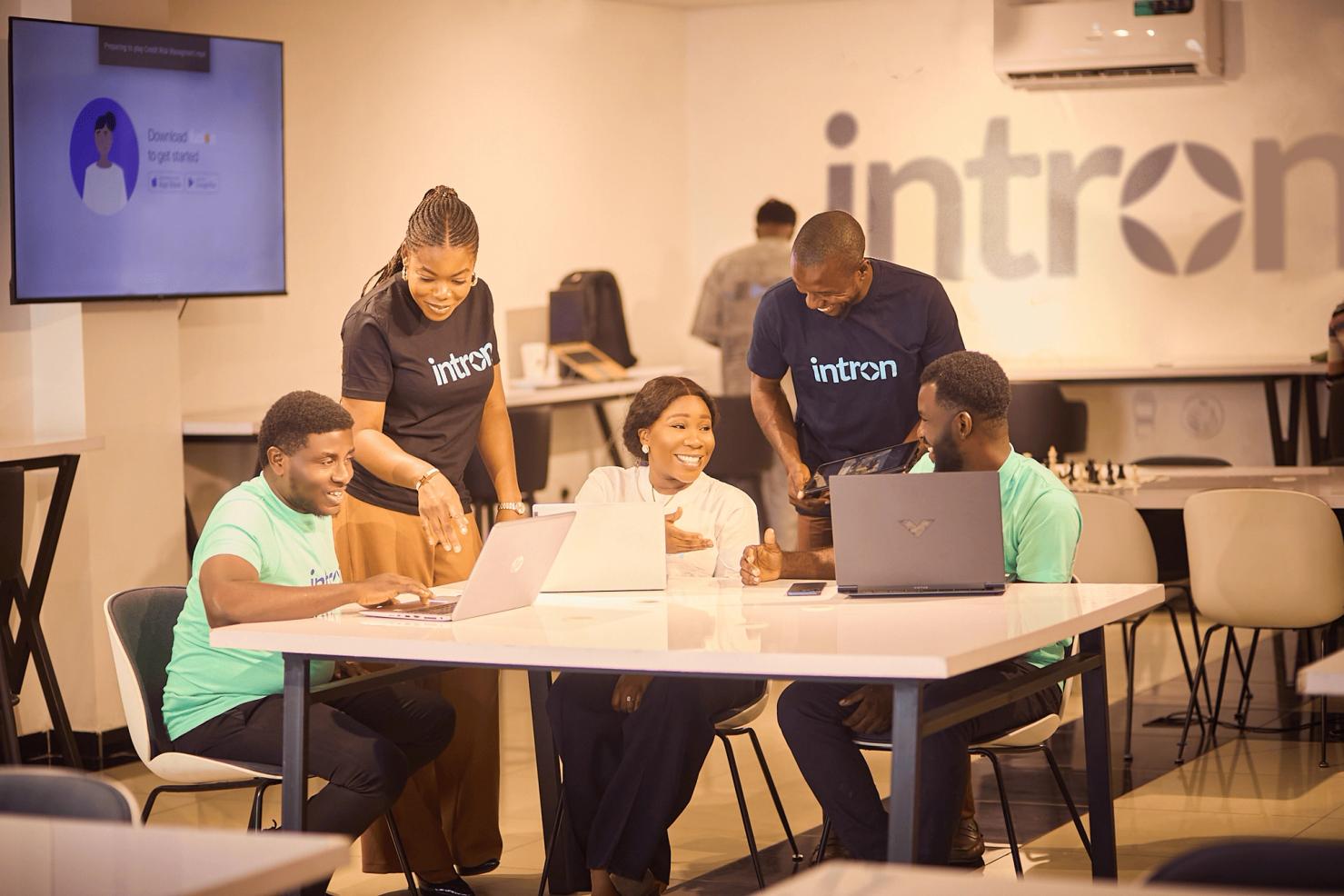
Intron develops speech-recognition technology designed to understand African accents and multilingual speech. Its applications include hospitals, courtrooms and customer-service centres, where accurate transcription can improve documentation and communication.
Termii provides messaging and customer-verification infrastructure used by businesses, including systems that support one-time passwords, secure logins and transaction notifications.
Vendy enables businesses to create online storefronts and receive payments through WhatsApp, allowing customers to make purchases without necessarily downloading a separate application.
The three Nigerian companies join seven other startups from across the continent, including businesses operating in Uganda, Kenya and Senegal.
Their selection reflects growing interest in African-developed AI products that address practical challenges in communication, commerce, financial technology and public services.
The programme also highlights the importance of moving beyond experimentation towards technologies that can be deployed at scale and generate measurable economic value.
The selection is significant for Africa’s ambition to develop artificial intelligence systems that understand local languages, accents, business practices and social realities.
Speech-recognition technology, for example, could improve access to healthcare and legal services by making digital documentation more effective for people who communicate in African languages and mixed-language environments.
For Nigeria, the opportunity extends to local job creation, software exports, research partnerships and the development of intellectual property.
However, African startups will need sustained access to computing infrastructure, research funding, skilled workers and reliable datasets if they are to compete internationally.
The bigger opportunity is to ensure that AI is not simply imported into Africa, but increasingly researched, built and commercialised by African innovators.