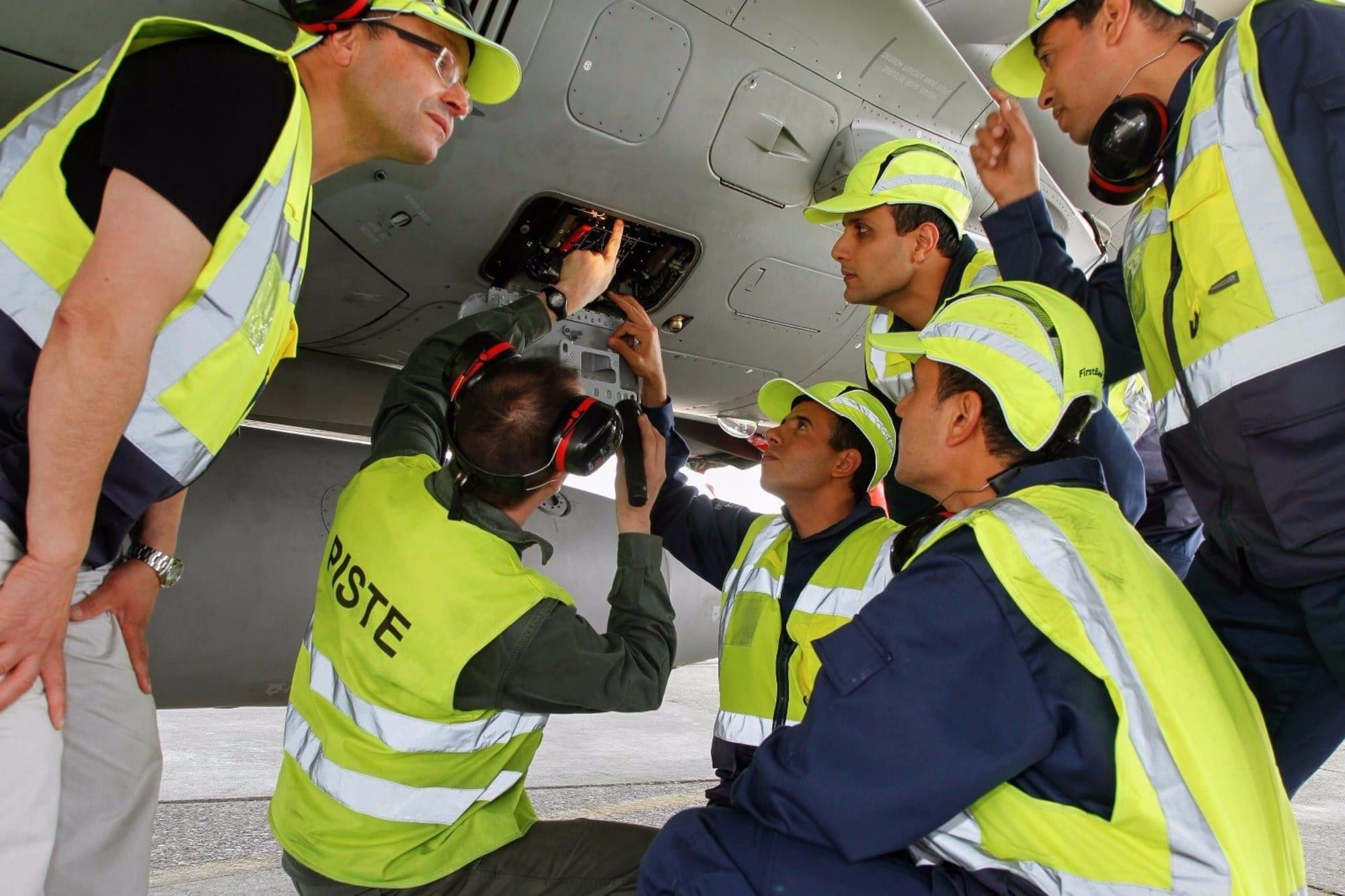
Morocco has signed a 30-million-dirham (approximately $3 million) agreement with the International Civil Aviation Organization (ICAO) to train 300 civil aviation inspectors from African countries over three years, in an initiative aimed at strengthening aviation safety, security and regulatory oversight across the continent.
The agreement was signed on November 17, 2026, in Montreal, Canada, by Morocco’s Minister of Transport and Logistics, Abdessamad Kayouh, and ICAO Secretary-General Juan Carlos Salazar, on the sidelines of the organisation’s seventh World Air Transport Conference (ATConf/7).
100 inspectors to be trained annually
The programme will run from 2027 to 2029, with 100 African aviation inspectors expected to receive training each year through 18 ICAO-approved training sessions.
The courses will cover six critical areas of aviation oversight:
- Aircraft and flight operations.
- Aircraft airworthiness and maintenance standards.
- Licensing of aviation personnel.
- Airport and aerodrome operations.
- Air navigation services.
- Civil aviation security.
The initiative is designed to improve the technical and institutional capacity of participating African countries to monitor their aviation industries, enforce international standards and perform more effectively during ICAO safety and security audits.
Why this matters for African aviation
Aviation safety depends not only on modern aircraft and airport infrastructure but also on qualified inspectors capable of ensuring that airlines, airports, maintenance organisations and aviation personnel comply with international regulations.
For many African countries, strengthening regulatory institutions and developing specialised technical expertise remain important parts of improving aviation oversight.
The programme could therefore help participating countries build stronger aviation authorities, improve regulatory compliance and increase confidence in African air transport.
It also aligns with ICAO’s No Country Left Behind initiative, which seeks to ensure that all member states have the technical capacity to implement international aviation standards and recommended practices.
Morocco deepens its aviation partnership with Africa
The latest agreement implements an earlier arrangement signed in Marrakech on April 14, 2026, during the fifth ICAO Global Implementation Support Symposium.
At the signing ceremony, ICAO Secretary-General Juan Carlos Salazar praised Morocco’s progress in developing its aviation sector, particularly its investments in airport infrastructure, air connectivity and professional training.
Minister Kayouh reaffirmed Morocco’s willingness to make its technical expertise, institutional resources and training facilities available to African partners, describing the initiative as part of the country’s commitment to South-South cooperation and African integration.
Opportunities for Nigeria and other African countries
For Nigeria, which operates one of West Africa’s major aviation markets, the programme presents an opportunity to strengthen specialist regulatory skills and improve the capacity of aviation professionals.
Better-trained inspectors could contribute to stronger oversight of aircraft maintenance, airline operations, airport safety and aviation security. Similar benefits could extend to other participating African states, particularly those seeking to improve their performance against international aviation standards.
However, the agreement does not yet publicly identify the individual beneficiary countries or provide details of the selection process. Those arrangements will be important in determining how widely the programme’s benefits are distributed.
Ultimately, the success of the initiative will depend on how effectively the training translates into stronger national aviation regulators, safer operations and greater confidence in air travel across Africa.
The broader message is clear: Africa’s aviation future requires not only more airports and aircraft, but also the skilled professionals and institutions capable of keeping the continent’s skies safe.