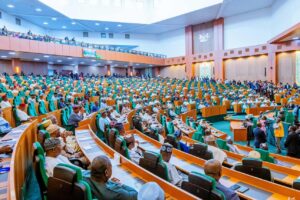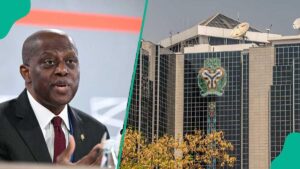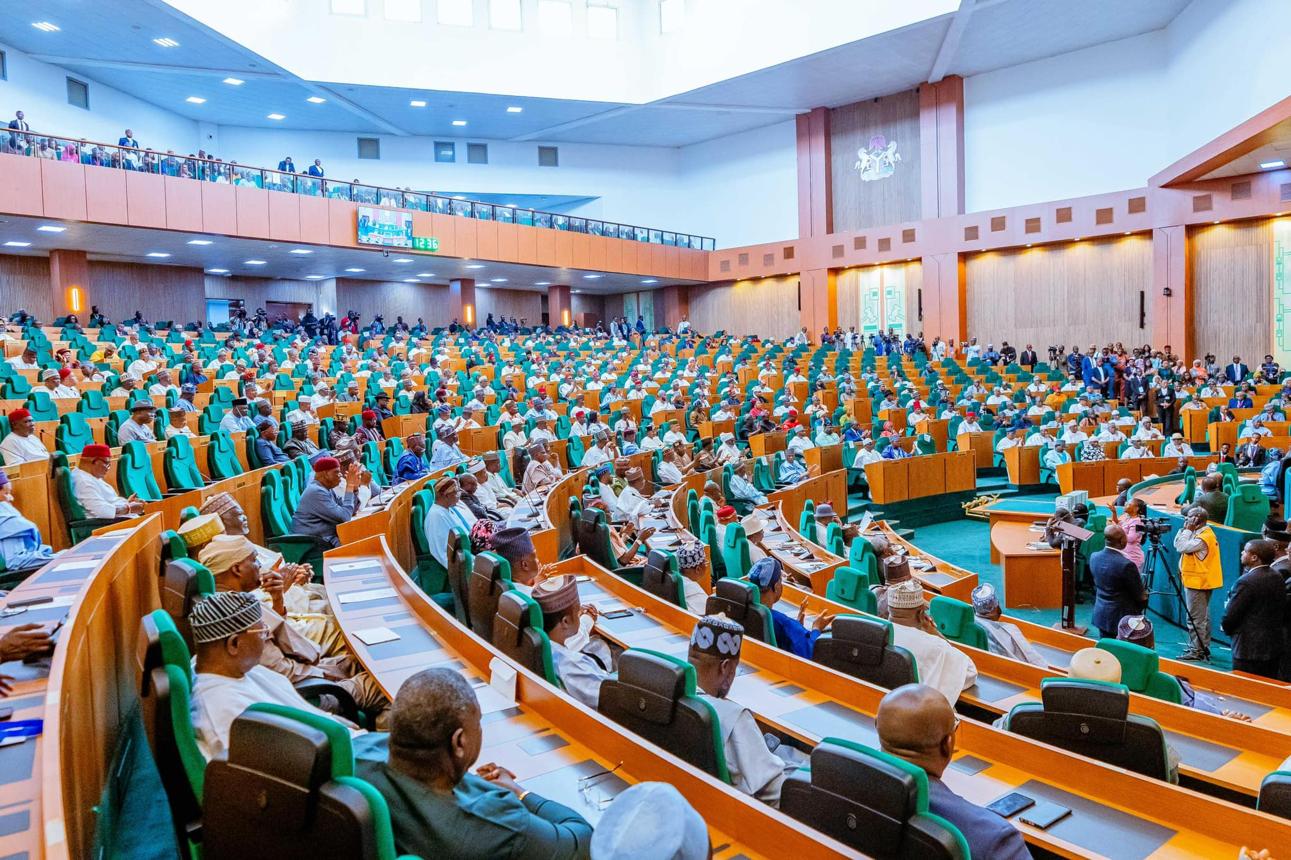
Nigeria’s National Assembly has approved President Bola Tinubu’s supplementary external borrowing plan of $20.517 billion and €1.45 billion for the 2026 and 2027 fiscal years.
The approval followed consideration of the President’s request by the Senate and House of Representatives on Tuesday.
The development comes alongside a proposed revision of the 2026 federal budget, which reduces total projected expenditure from ₦68.323 trillion to ₦65.176 trillion.
Under the revised fiscal framework, projected federal revenue stands at ₦33.720 trillion, while capital expenditure is estimated at ₦26.232 trillion.
The proposed fiscal deficit remains at ₦31.457 trillion, representing 5.64 per cent of gross domestic product. The government’s overall borrowing provision of ₦29.218 trillion also remains unchanged.
President Tinubu told lawmakers that part of the external borrowing would finance an existing foreign borrowing provision rather than increase the overall borrowing limit.
The approval gives the government additional authority to pursue external financing, but it also renews questions about debt sustainability, the cost of servicing loans and the economic returns expected from borrowed funds.
Borrowing can support Africa’s development when funds are invested in productive infrastructure such as electricity, transport, broadband connectivity, research laboratories and industrial technology. The critical issue is whether projects deliver measurable economic returns. Nigeria’s investment in technology infrastructure and local manufacturing could improve productivity, create skilled employment and strengthen its competitiveness within the African Continental Free Trade Area.