
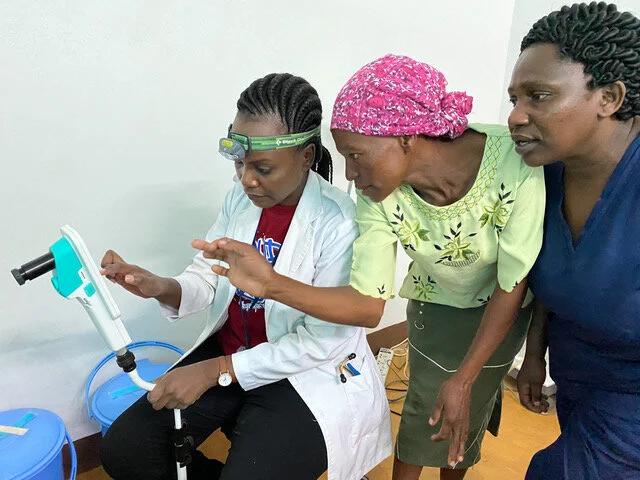
A Tanzanian scientist, Hope Mbelwa, has received regional recognition for developing an artificial intelligence-based research solution aimed at improving the early detection of cervical cancer.
Mbelwa, a doctoral researcher at the Nelson Mandela African Institution of Science and Technology, is among 38 women scientists recognised under the 2026 L’Oréal-UNESCO For Women in Science Sub-Saharan Africa programme.
Her research, titled Multimodal Learning for Cervical Cancer Detection, explores how artificial intelligence can analyse digital images of Pap smear samples to identify cellular changes associated with cervical cancer.
The proposed system is designed to generate reports that medical specialists can review, potentially helping reduce the workload of pathologists and improve the speed of screening.
Mbelwa says the system is being developed to produce results in less than a minute. However, its clinical performance has not yet been validated, and it should not be treated as an approved replacement for professional diagnosis.
The research is particularly relevant to Tanzania, where cervical cancer screening and follow-up treatment have faced significant challenges.
The research demonstrates how African scientists are applying artificial intelligence to local healthcare challenges. If properly validated, similar tools could help address shortages of specialist diagnostic professionals and improve access to screening. The next steps require clinical trials, reliable datasets, regulatory assessment and collaboration with hospitals across different African populations.