
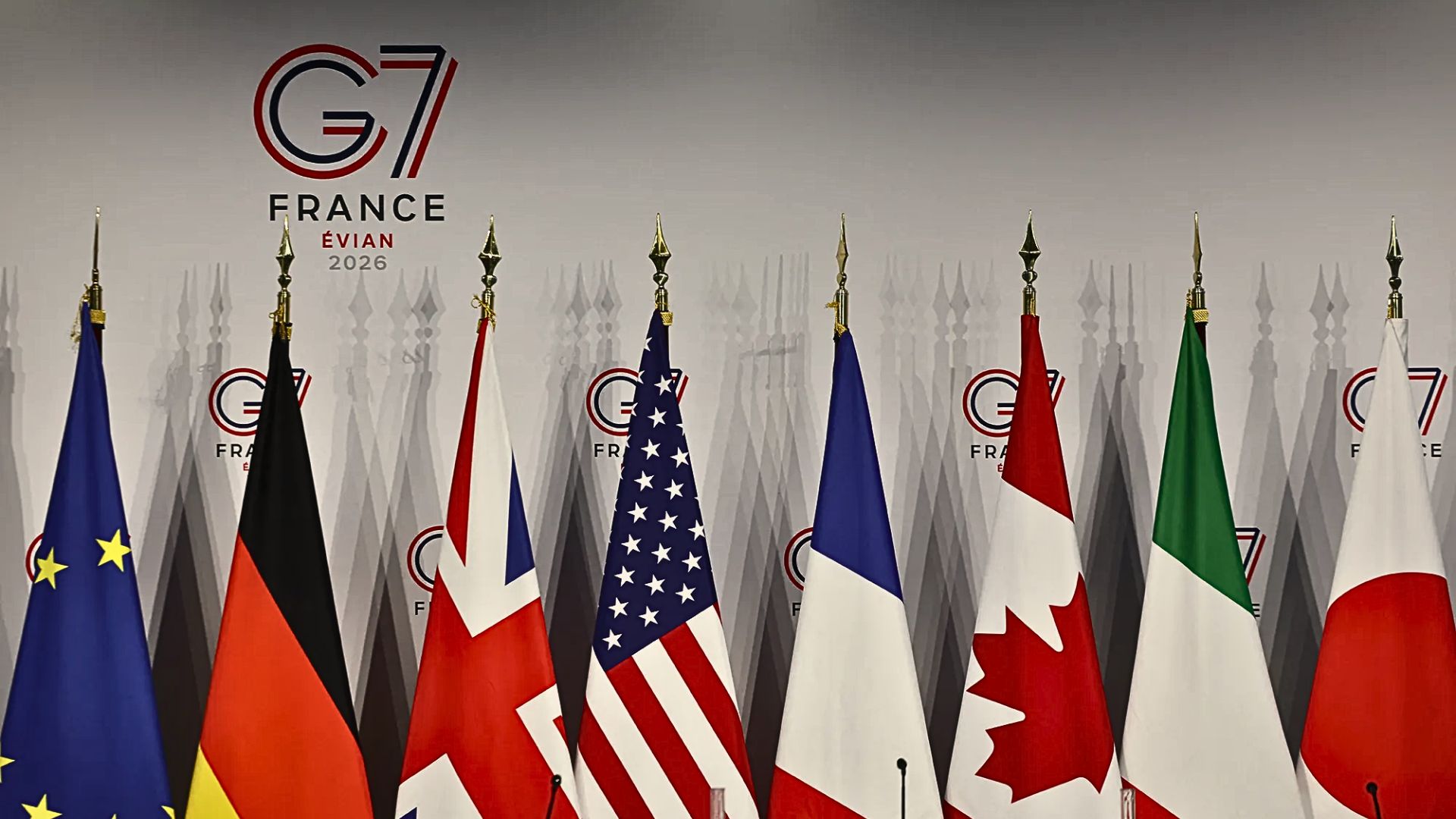
In a recent diplomatic development, South Africa has revealed that the United States pressured France to revoke its invitation to South Africa for the upcoming G-7 summit. According to officials in Pretoria, sustained US pressure led France to withdraw the invitation extended to South Africa, sparking controversy and diplomatic tensions.
The G-7 summit, a gathering of the world’s leading industrialized nations, traditionally includes invitations to key global partners. South Africa’s exclusion from this important forum has raised questions about the geopolitical motivations behind the decision and the influence of major powers on international diplomacy.
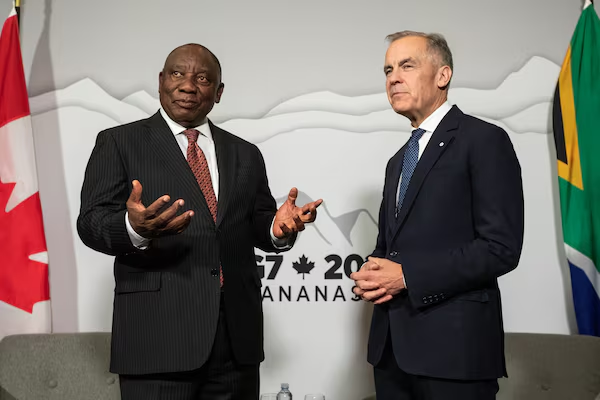
South African President Cyril Ramaphosa and government officials have expressed disappointment over the move, emphasizing the country’s role as a significant voice for Africa on the global stage. The decision to disinvite South Africa is seen by many as a setback for the continent’s representation in global economic and political discussions.
This incident highlights the complex interplay of international relations, where strategic interests and alliances often shape participation in global forums. The US’s alleged intervention underscores its desire to influence the composition and agenda of the G-7, while South Africa’s exclusion may impact its diplomatic engagements and partnerships moving forward.
As the G-7 summit approaches, all eyes will be on how this diplomatic rift evolves and what it means for South Africa’s role in global affairs. The situation also raises broader questions about inclusivity and representation in international decision-making bodies.