
Ghana is moving closer to establishing its own vaccine manufacturing capacity, with the National Vaccine Institute (NVI) announcing plans to produce the country’s first locally manufactured vaccine by 2027.
The initiative is part of Ghana’s broader strategy to strengthen healthcare security, reduce dependence on imported vaccines and build local capacity for pharmaceutical and biotechnology production.
Tetanus-diphtheria vaccine to lead production
According to Dr Sodzi Sodzi-Tettey, Chief Executive Officer of the National Vaccine Institute, the first vaccine is expected to be a tetanus-diphtheria vaccine, with production targeted for the first quarter of 2027.
He disclosed that preparations were progressing, with the first of three bulk substances required for manufacturing already delivered to Ghana. The material was manufactured in Indonesia and is currently at the facilities of Atlantic Life Sciences, a Ghanaian pharmaceutical company.
The project involves collaboration between the National Vaccine Institute, Atlantic Life Sciences, the Noguchi Memorial Institute for Medical Research and Indonesia’s PT Bio Farma. The partnership includes technology transfer and technical support to strengthen Ghana’s local manufacturing capacity.
Investment in research and technology
Ghana is also investing in scientific infrastructure to support the country’s long-term vaccine ambitions.
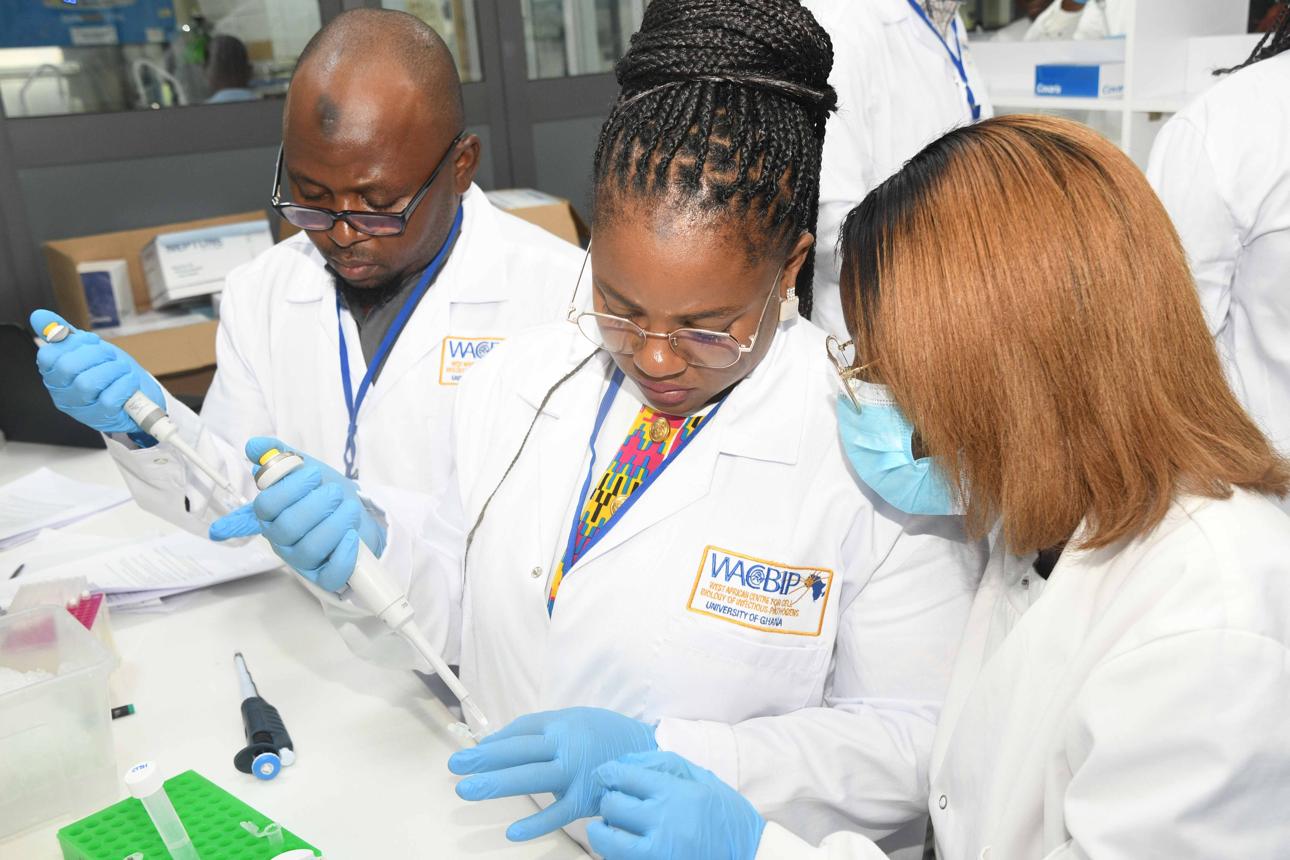
On November 18, 2026, President John Dramani Mahama commissioned new DNA, mRNA and protein research laboratories at the Noguchi Memorial Institute for Medical Research in Accra.
The facilities are expected to support vaccine research, product development, scientific training and advanced biotechnology.
Ghana is now among five African countries deploying mRNA technology for vaccine research and development, according to the National Vaccine Institute.
Building a sustainable vaccine industry
Beyond producing its first vaccine, Ghana is working to establish a sustainable pharmaceutical manufacturing ecosystem.
The government has committed funding to laboratory equipment, scientific training and manufacturing development. It is also pursuing policies that include tax incentives, investment support and long-term procurement agreements to encourage local pharmaceutical companies.
The National Vaccine Institute has identified the need for substantial investment in manufacturing infrastructure, while plans are underway to establish a biomanufacturing training consortium to develop specialised local expertise.
The country also aims to reduce its dependence on imported vaccines, particularly as external support from the Global Alliance for Vaccines and Immunisation (Gavi) is expected to end in 2030.
Significance for Africa
Ghana’s planned vaccine production represents an important development for Africa’s healthcare and biotechnology industries.
The COVID-19 pandemic exposed the continent’s vulnerability to international supply disruptions, with many African countries depending heavily on overseas manufacturers for essential vaccines.
Developing local manufacturing capacity could improve access to essential immunisation products, create skilled employment, strengthen scientific research and reduce exposure to global supply chain challenges.
However, meeting the 2027 target will depend on completing manufacturing preparations, maintaining quality standards, securing regulatory approvals and establishing a reliable market for locally produced vaccines.
If successful, Ghana’s initiative could contribute to broader African efforts to strengthen pharmaceutical independence and improve preparedness for future health emergencies.


Science and innovation angle
Science & Innovation in Africa
This story is particularly relevant to African biotechnology, vaccine research, pharmaceutical manufacturing and public health innovation. It demonstrates how African countries are beginning to invest in the scientific infrastructure and technology needed to develop and manufacture essential medical products locally.