Tensions between Sudan and Ethiopia are rising after the two neighbouring countries exchanged accusations over alleged support for armed groups operating within their territories.
Sudan has accused Ethiopia of allowing camps to be established on its territory for the paramilitary Rapid Support Forces, alleging that the group has used the area to support drone operations and cross-border attacks.
Ethiopia, on the other hand, has accused Sudan of supporting Tigrayan rebels fighting against the Ethiopian federal government.
Both countries have denied the allegations, which have not been independently verified.
The dispute has intensified diplomatic tensions, with Sudan taking its allegations to the United Nations and the African Union. Ethiopia has also taken diplomatic measures against Sudanese officials and closed its diplomatic mission.
The latest accusations come as Sudan continues to experience a devastating conflict between the Sudanese Armed Forces and the Rapid Support Forces.
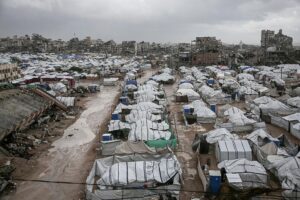
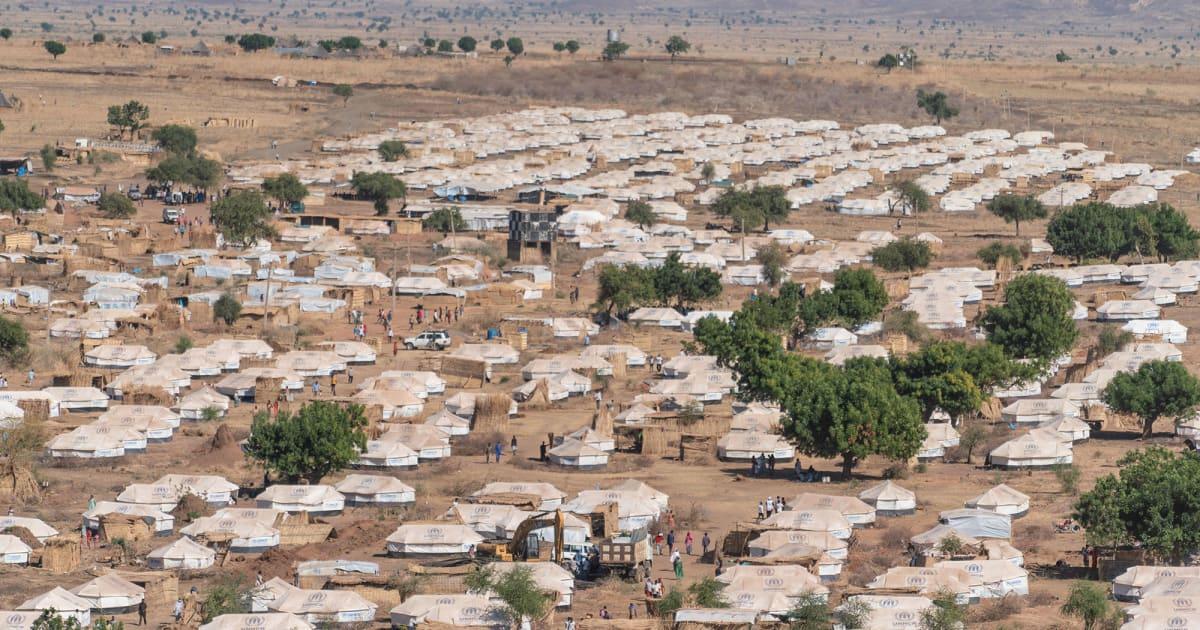
The war has killed tens of thousands of people and displaced millions, creating one of the world’s most severe humanitarian crises.
Analysts warn that if the accusations lead to direct military confrontation or increased support for armed groups, the conflict could spread beyond Sudan’s borders and destabilise the wider Horn of Africa.
Africa’s science and innovation connection: Regional instability can undermine investment in technology, agricultural research, infrastructure and scientific cooperation.
The conflict also highlights the importance of satellite imagery, digital mapping and early-warning systems in monitoring border movements, tracking displacement and supporting humanitarian organisations.
African institutions could make greater use of geospatial technology and shared data systems to improve regional security coordination and disaster response.
However, technological tools must complement diplomatic efforts and political solutions aimed at preventing further escalation.