Africa CDC Rejects Media Allegations, Says Anonymous Sources Must Not Undermine Continental Health Institution
The Africa Centres for Disease Control and Prevention has strongly rejected recent media reports raising questions about its leadership, internal administration, staff management and financial oversight, insisting that an African institution should not be subjected to public trial through anonymous sources and what it describes as politically motivated journalism.
In a statement published on its official website, the continental public-health agency defended its institutional integrity and leadership, arguing that serious allegations should be subjected to established governance procedures and supported by verifiable evidence.
The response follows a report by Health Policy Watch published on November 16, 2026, which raised concerns surrounding the leadership of Africa CDC Director-General, Dr Jean Kaseya, as he seeks another term in office.
The publication cited current and former staff members, some speaking anonymously, who alleged intimidation, threats against senior African Union officials, questionable staff appointments, internal administrative disputes and concerns over expenditure and financial management.
The report also referred to a petition reportedly circulated by concerned senior staff members urging African Union authorities to reconsider Kaseya’s reappointment.
Among the issues raised were allegations of an unhealthy working environment, staff reassignments, high turnover and questions surrounding the organisation’s recruitment and administrative procedures.
Africa CDC has disputed the allegations and challenged the manner in which they have been presented. The institution maintains that its leadership and operations are governed by the African Union’s established statutory framework and that decisions are subject to the appropriate institutional processes.
In an earlier right-of-reply published in March 2026, the agency also rejected claims of procedural irregularities, arguing that its governance arrangements had been misrepresented. It maintained that its Governing Board and other African Union policy organs had commended improvements in institutional development, governance and financial management.
The agency has further argued that its rapid organisational expansion reflects the growing demands of its continental public-health mandate, rather than evidence of institutional instability.
However, the allegations reported by Health Policy Watch have not been independently established as findings of wrongdoing. The publication says it relied on multiple sources and documentation, while Africa CDC has challenged the credibility and presentation of the claims.
The controversy comes at a critical period for the organisation, which is playing a central role in coordinating Africa’s response to infectious disease outbreaks, strengthening national health institutions and advancing the continent’s ambition for greater health sovereignty.
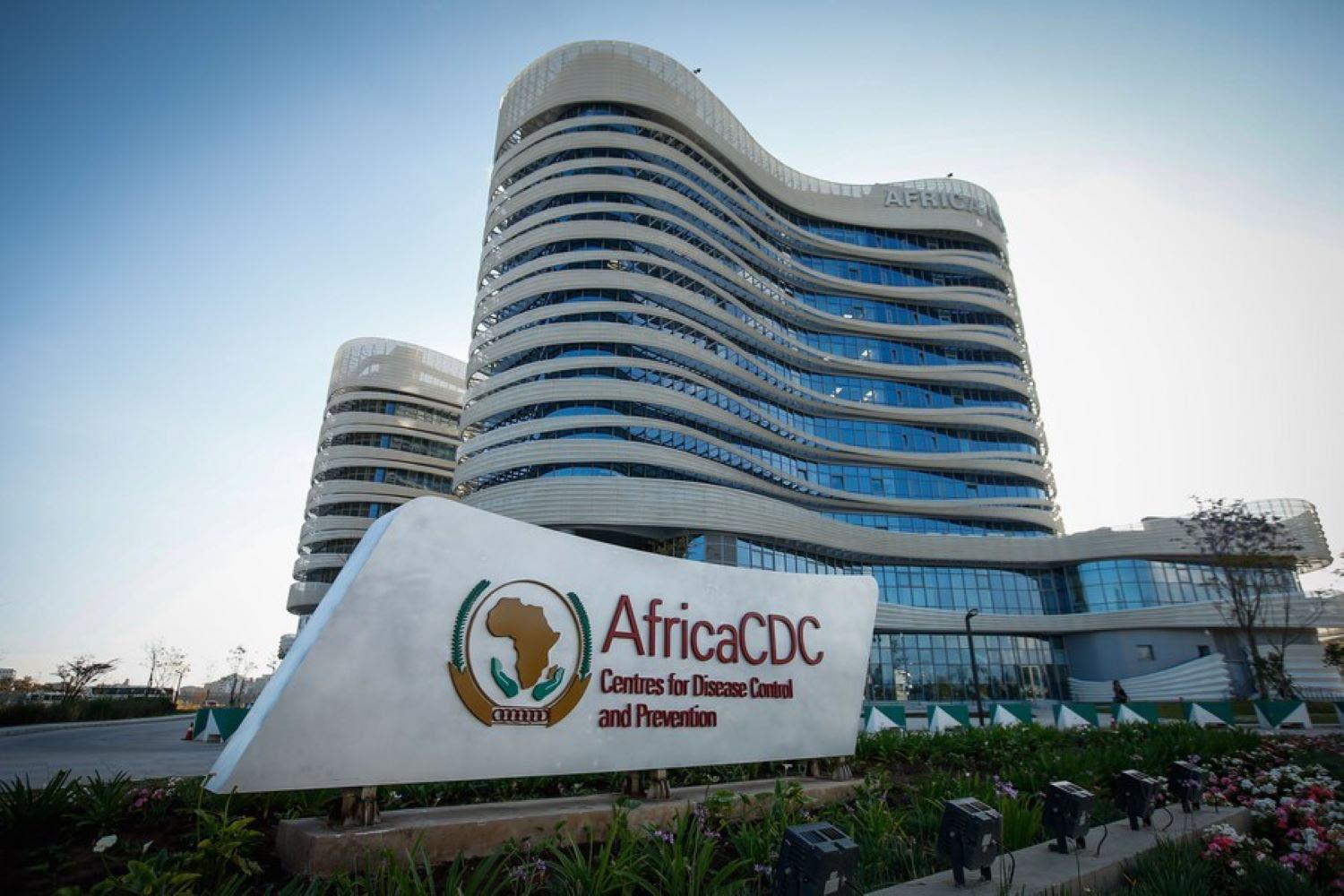
Africa CDC was established by the African Union and officially launched in 2017. Its responsibilities include disease surveillance, laboratory capacity development, emergency preparedness, public-health research and coordination among African member states.
The dispute therefore raises broader questions about transparency, institutional accountability, media responsibility and the protection of public confidence in Africa’s continental institutions.
While Africa CDC insists that its work should not be undermined by unverified allegations, the situation also highlights the importance of credible independent oversight and transparent processes for addressing concerns raised by employees and stakeholders.
The controversy has implications beyond institutional leadership because Africa CDC plays an important role in building the continent’s scientific and technological capacity to respond to public-health emergencies.
The agency supports disease surveillance networks, laboratory systems, genomic sequencing, epidemiological research and the development of local vaccine and pharmaceutical manufacturing capabilities.
Its work is particularly important as African countries seek to reduce dependence on imported medical supplies and strengthen their ability to detect and respond to emerging diseases.
In recent years, the continent has increasingly prioritised health sovereignty, including the development of African-led research institutions, regional disease surveillance systems and local production of vaccines and diagnostics.
Maintaining public confidence in institutions responsible for these programmes is therefore essential. Strong governance, transparent financial management, independent audits and accountability mechanisms can help protect scientific investment and ensure that resources reach laboratories, researchers and frontline health workers.
For Nigeria and other African countries, the wider lesson is that scientific progress requires not only funding and technology but also credible institutions capable of managing resources responsibly and maintaining public trust.
The challenge for Africa CDC will be to defend its institutional independence while ensuring that legitimate concerns are addressed through transparent and credible processes.
Source Health Policy Watch — Report on Africa CDC leadership and allegations