President Bola Ahmed Tinubu has approved the full operationalisation of the Tsamiya Inland Dry Port in Kebbi State, in a move aimed at expanding Nigeria’s cargo-handling capacity and improving access to trade infrastructure in the North-West.
The approval was announced by the State House on November 17, 2026, following a request by Kebbi State Governor Nasir Idris.
The President described the facility as strategically important to the state’s economy and its wider commercial development.
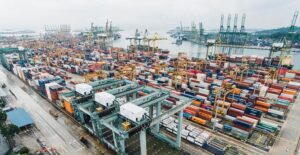
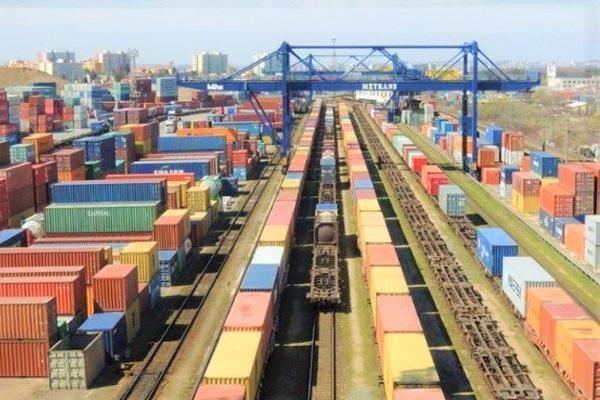
An inland dry port is a logistics facility located away from the coastline that provides services traditionally associated with seaports. These may include cargo handling, storage, customs processing and the transfer of goods between road, rail and maritime transport networks.
The Tsamiya facility is expected to improve access to import and export services for businesses in Kebbi and surrounding areas, potentially reducing the need for some traders to transport goods over long distances to coastal ports before completing cargo-related procedures.
The approval is part of broader efforts to expand Nigeria’s maritime and inland logistics infrastructure beyond Lagos.
The Federal Government has also announced plans involving the modernisation of ports outside Lagos and the development of additional deep-sea port projects.
However, the full economic impact of the Tsamiya facility will depend on operational readiness, customs coordination, road connectivity, security and the availability of efficient cargo-handling services.
Modern inland ports depend on digital logistics systems, automated cargo tracking, electronic customs documentation and efficient transport management.
Nigeria could use the facility to strengthen digital integration between seaports, inland terminals, freight operators and customs authorities.
Technology such as electronic cargo manifests, GPS tracking, automated weighing systems and integrated customs platforms can reduce delays, improve transparency and make it easier for businesses to monitor goods.
For landlocked African countries such as Niger, Chad and Burkina Faso, efficient inland logistics corridors are essential to international trade. Nigeria’s inland port development could therefore support wider regional commerce if transport links and border procedures are properly coordinated.