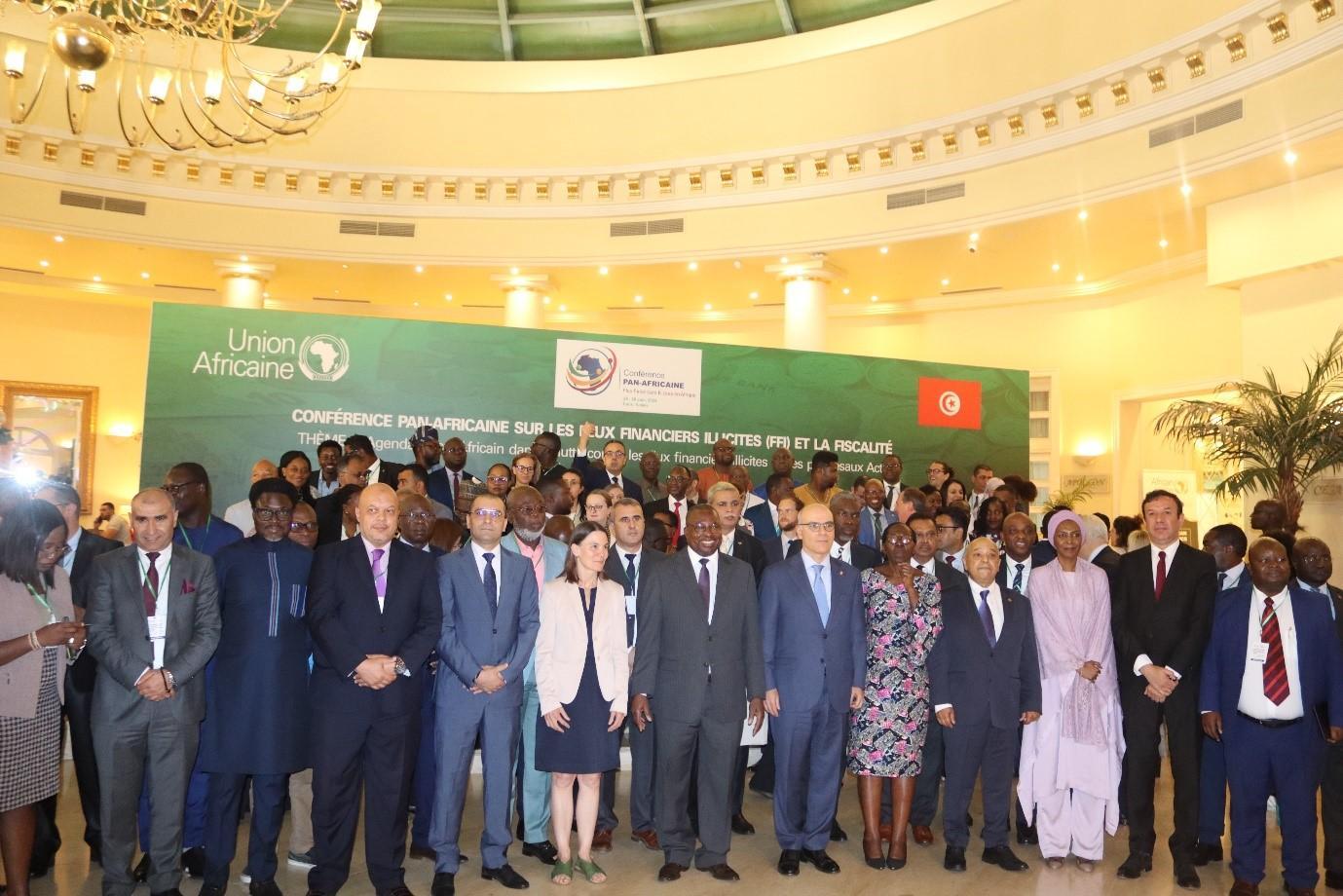
The African Union has warned that the continent loses between 80 billion and 125 billion dollars annually through corruption and illicit financial flows, describing the problem as a major obstacle to economic development.
The Chairperson of the African Union Advisory Board Against Corruption, Kwami Edem Senanu, disclosed the figures during the inaugural General Assembly of the African Asset Recovery Practitioners’ Forum in Abuja.
Senanu said the losses were depriving African countries of resources required to finance critical infrastructure, healthcare, education and other development priorities.
He noted that estimates from United Nations partners placed annual losses at approximately 80 billion dollars, while other continental assessments suggested the figure could be as high as 125 billion dollars.
The African Union official also warned that the scale of the problem was undermining domestic revenue mobilisation and the ability of governments to finance development programmes.
Nigeria’s Attorney-General and Minister of Justice, Lateef Fagbemi, called for a harmonised continental framework to improve the tracing, freezing, seizure, confiscation and repatriation of stolen assets.
He emphasised the importance of stronger cooperation among prosecutors, financial intelligence units, tax authorities and anti-corruption institutions.
The discussions also focused on beneficial ownership transparency, digital asset tracing, secure information-sharing systems and accountability in the management of recovered assets.
The African Asset Recovery Practitioners’ Forum was established to strengthen cooperation among professionals and institutions involved in recovering assets acquired through corruption and other financial crimes.
The African Union says countries must move beyond policy declarations and strengthen the practical mechanisms required to trace and recover illicitly acquired wealth.
Digital technology is becoming increasingly important in the fight against financial crimes.
Financial intelligence agencies can use data analytics, artificial intelligence, blockchain analysis and secure information-sharing systems to identify suspicious transactions and trace assets across borders.
However, these technologies require trained investigators, reliable databases, strong cybersecurity and legal safeguards to prevent misuse.
For Nigeria and other African economies, improved digital financial investigations could strengthen tax administration, reduce revenue leakages and improve the recovery of public funds.
The continent also needs to invest in technology that allows recovered assets to be monitored transparently, ensuring that funds returned to governments are used for hospitals, schools, infrastructure and other public priorities.