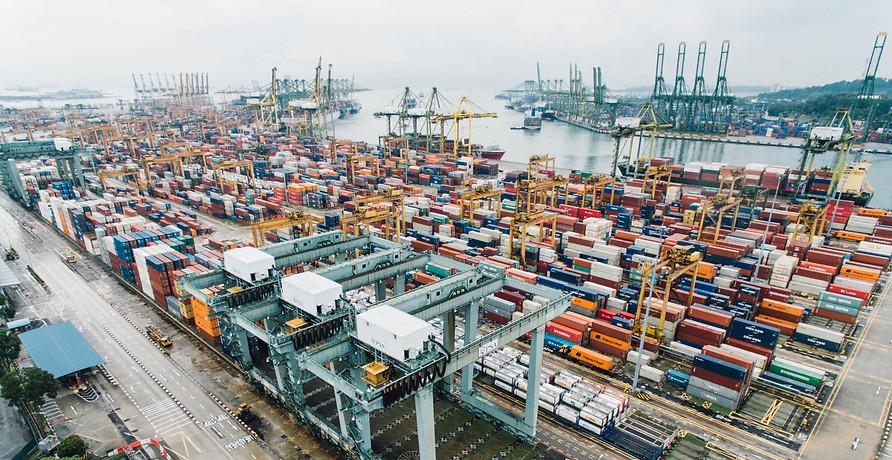
The Port Management Association of West and Central Africa has called for stronger cooperation among regional ports to reduce cargo clearance delays, lower logistics costs and improve the competitiveness of African economies.
The call was made by the association’s president, Dr Abubakar Dantsoho, who is also Managing Director of the Nigerian Ports Authority, during the opening of the association’s 46th Annual Council and Joint Gulf of Guinea Commission-PMAWCA Forum in Malabo, Equatorial Guinea.
Dantsoho said port authorities must move away from destructive competition and embrace strategic cooperation to improve the movement of goods across the region.
He explained that the Atlantic coastline from Mauritania to Angola serves approximately 20 coastal countries, while five landlocked countries, including Mali, Burkina Faso, Niger, Chad and the Central African Republic, depend on the efficiency of regional ports and transport corridors.
According to him, cargo delays, high port charges, expensive inland transportation and poor coordination between customs systems continue to increase the cost of trade.
He also identified infrastructure maintenance, limited financing, climate change, rising sea levels and cyber threats as growing challenges confronting port operators.
The PMAWCA president called for stronger coordination that would allow neighbouring ports to provide alternative capacity during emergencies and reduce disruptions to regional supply chains.
He further urged member ports to develop measurable implementation plans and report progress at the association’s next annual council.
The proposal comes as African countries seek to increase intra-African trade under the African Continental Free Trade Area.
Digital port infrastructure could significantly improve trade efficiency across West and Central Africa.
Electronic customs systems, automated cargo identification, digital shipping documentation and integrated port-management platforms can reduce paperwork and shorten cargo clearance times.
Artificial intelligence could also help ports predict congestion, manage vessel schedules and optimise the movement of containers.
However, regional integration requires more than installing new software. Ports need compatible systems, secure data exchange, reliable electricity and trained personnel.
For Nigeria, improved coordination with neighbouring countries could reduce the cost of imported machinery, industrial raw materials and consumer goods while creating opportunities for logistics technology companies.