Nigeria is preparing to welcome ministers, global health leaders, scientists and development partners to Abuja for the 5th Global High-Level Ministerial Conference on Antimicrobial Resistance (AMR), scheduled for December 6–8, 2026, at the Transcorp Hilton Abuja.
The gathering, which was originally scheduled for June 28–30, 2026, was postponed by the Federal Government following consultations with key stakeholders and international partners. The government announced the postponement on June 10, saying a new date would be communicated later. The conference secretariat subsequently confirmed the December dates on July 22.
The conference is particularly significant because Nigeria will become the first African country to host this global ministerial gathering, creating an opportunity to put Africa’s public-health priorities and experiences at the centre of international discussions on drug resistance.
Why the conference matters: Africa faces a major AMR burden
Antimicrobial resistance occurs when bacteria, viruses, fungi and parasites change over time and no longer respond effectively to medicines designed to treat them. This makes infections harder to treat, increases the risk of severe illness and death, and threatens the effectiveness of routine medical procedures.
The scale of the challenge is particularly serious in Africa. A major 2019 analysis published in The Lancet estimated that bacterial AMR was associated with approximately 1.05 million deaths in the WHO African Region, including about 250,000 deaths directly attributable to resistance. The researchers also identified the African Region as having the highest overall fatal and non-fatal AMR burden among WHO regions. These are historical estimates, not a count of deaths in 2026.
The World Health Organization’s Africa office identifies surveillance, responsible antimicrobial use, infection prevention and control, research, innovation and sustainable financing as important areas for strengthening the regional response.
The concern extends beyond hospitals. Resistant infections can affect livestock, crops and the wider environment, while the misuse of antibiotics in human medicine and agriculture can accelerate the spread of resistance. This is why the Abuja conference will be guided by the One Health approach, which connects human, animal, plant and environmental health.
What delegates are expected to address
The conference theme is “One Health: Advancing Global AMR Commitments Through Local Action.” Its central challenge is to turn international promises into measurable national action.
According to the conference organisers, discussions will cover:
- Strengthening national AMR action plans and accountability.
- Improving access to essential antimicrobials and diagnostic testing.
- Preventing infections through stronger hygiene, sanitation and infection-control systems.
- Promoting responsible use of antibiotics and other antimicrobial medicines.
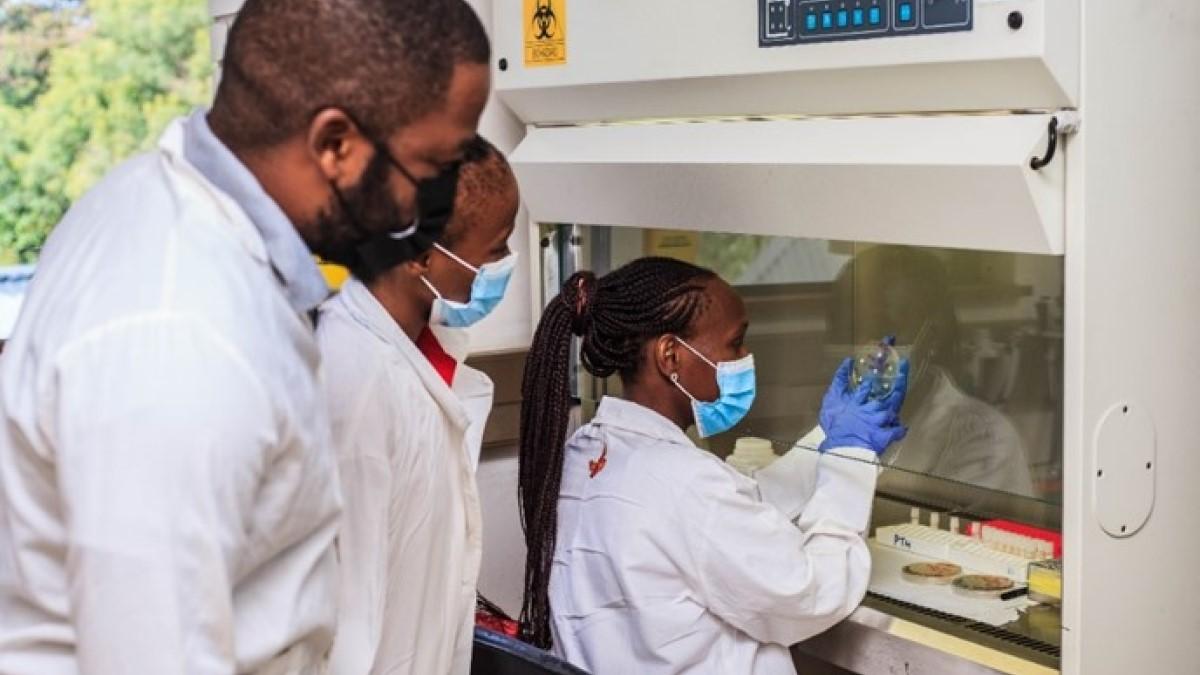
- Improving surveillance and laboratory capacity to detect resistant infections.
- Mobilising sustainable financing for national and regional AMR programmes.
- Strengthening cooperation across human health, animal health, agriculture and the environment.
These priorities build on the 2024 United Nations General Assembly political declaration on AMR. Among other commitments, world leaders agreed to work towards reducing annual human deaths associated with bacterial AMR by 10 per cent by 2030, ensuring that at least 70 per cent of antibiotics used for human health globally belong to the WHO Access group, and increasing the number of countries with funded national AMR action plans.
The proposed Abuja Compact: A major expected outcome
One of the most important outcomes being developed for the meeting is the Abuja Compact on Antimicrobial Resistance.
The document is intended to provide a shared framework for governments and international partners to strengthen implementation of existing AMR commitments. The conference secretariat has been consulting member states and other stakeholders on the draft, with feedback on the updated document open until November 24, 2026.
A stakeholder consultation webinar is also scheduled for November 19, ahead of the conference. The aim is to build consensus around commitments that can be implemented and monitored beyond the Abuja meeting.
The importance of this process is that another international declaration alone will not solve antimicrobial resistance. Governments will need to back their commitments with funding, stronger health institutions, reliable laboratory systems, better access to medicines and measurable progress.
Who will participate?
The gathering is expected to bring together ministers, senior government officials, representatives of international organisations, public-health experts, researchers, healthcare professionals, veterinarians, environmental specialists, civil-society organisations, development partners and industry representatives.
The conference is being hosted by Nigeria and jointly implemented through the federal ministries responsible for health, agriculture and food security, livestock development, and the environment. International institutions supporting the wider AMR response include the World Health Organization, the Food and Agriculture Organization, the UN Environment Programme and the World Organisation for Animal Health.
The official programme identifies December 6 as a pre-conference day featuring registration and a Non-State Actors Day. Formal ministerial proceedings are scheduled for December 7, while December 8 includes a closed-door ministerial roundtable and discussions around the Abuja Compact. The programme remains subject to official updates.
What Nigeria and Africa stand to gain
Hosting the conference gives Nigeria an opportunity to strengthen its position in global health diplomacy while drawing international attention to the realities facing African health systems.
For Africa, the discussions could help mobilise investment in microbiology laboratories, disease surveillance, diagnostic technology, research institutions and locally relevant scientific innovation. Better access to reliable testing, for example, can help doctors identify the medicines most likely to work instead of relying unnecessarily on broad-spectrum antibiotics.
It also creates opportunities for African universities, biotechnology companies, pharmaceutical researchers and public-health institutions to build partnerships that support locally developed solutions.
But the real test will come after the delegates leave Abuja. Countries will need to translate the commitments into funded national programmes, stronger regulation, improved access to quality medicines and more effective monitoring of antimicrobial use in hospitals, farms and communities.
As the December meeting approaches, the central question is whether the Abuja Compact will produce clear responsibilities, financing commitments and measurable targets—or become another international declaration with limited implementation.
For Nigeria, the conference is more than a diplomatic gathering. It is an opportunity to help shape a global response to a health threat that already places a heavy burden on African communities.