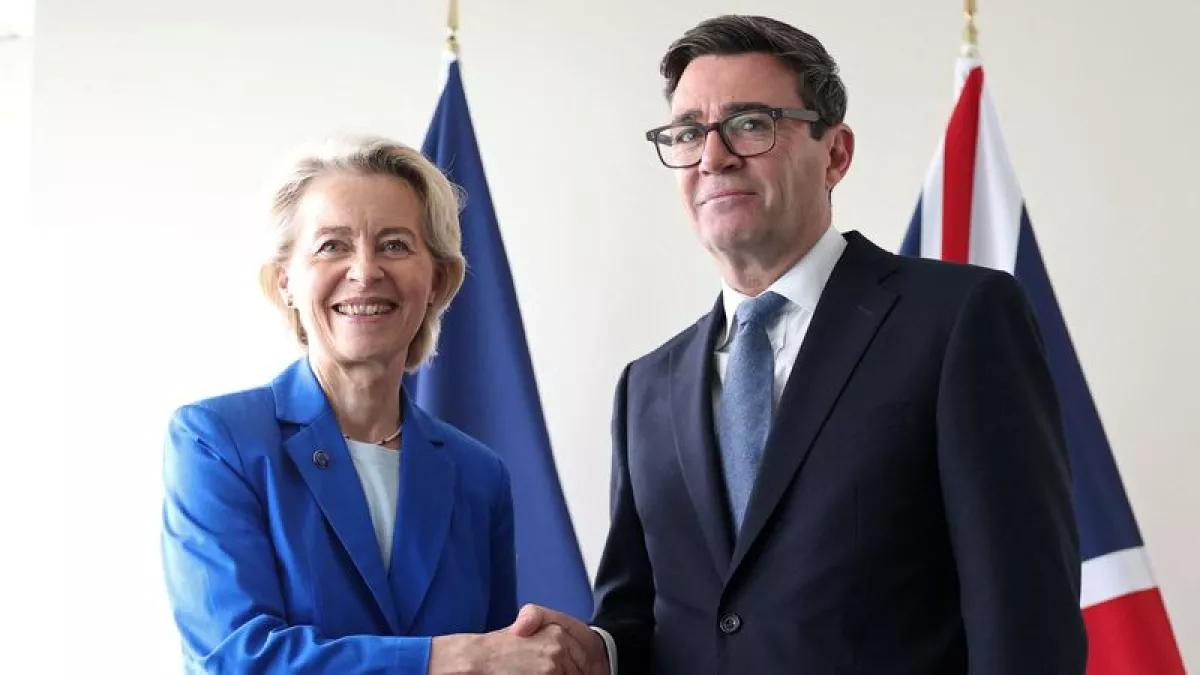
The United Kingdom and the European Union have agreed on new arrangements covering trade, cooperation and youth mobility, marking a significant step towards rebuilding relations nearly a decade after Britain’s historic decision to leave the bloc.
The agreements are expected to ease some post-Brexit barriers, strengthen economic cooperation and create new opportunities for young people seeking to study, work and gain experience across the UK and EU.
One of the most closely watched proposals is a youth mobility arrangement that could allow eligible young people to live, study or work across participating countries for a limited period, subject to agreed age limits, quotas and other conditions.
The trade discussions also seek to reduce friction for businesses, improve cooperation in selected sectors and address practical challenges that have emerged since the UK’s departure from the European single market.
Under the package announced on Friday, November 20, 2026, the two sides agreed to:
- Youth mobility: Up to 100,000 young people from each side will be able to live, work or study in the other territory for up to three years. The scheme is time-limited and capped, not a return to unrestricted freedom of movement.
- Food and agricultural trade: Most checks and certificates for animal and plant products will be removed under a new agreement expected to take effect in March 2028. Britain estimates this could add £5.1 billion annually to its economy.
- Carbon emissions: The UK and EU will link their emissions trading systems, with the aim of reducing carbon-related trade costs.
- University fees: The two sides have not resolved whether EU students studying in Britain will qualify for domestic tuition rates. They aim to settle the disagreement within six months.
The agreements are being presented as a major reset after years of strained relations following the 2016 Brexit referendum. However, critics may see closer alignment with EU rules as a retreat from the independence promised by Brexit supporters.
British Prime Minister Andy Burnham has described closer cooperation as necessary in an increasingly unstable world, while opponents have raised concerns about national sovereignty and immigration.
The important distinction: This is not Britain rejoining the European Union. The UK government has maintained that it will not rejoin the EU, customs union or single market under its current commitments.
African connection
The agreement does not directly change African countries’ access to the UK or EU markets. However, Nigerian and other African exporters of agricultural products should monitor any changes in British and European food-import standards. Differences or closer alignment between the two markets could affect certification requirements, export costs and opportunities for African producers.