
Zambia has intensified its cholera response after recording 60 new infections and two additional deaths since the weekend, with authorities warning that the outbreak continues to threaten public health.
According to the African Press Agency, the country has recorded 3,584 cholera cases since the outbreak began, with Lusaka Province accounting for the largest share at 2,632 infections.
Chief Government Spokesperson Elvis Nkandu said the government had activated a broader response, directing the National Disaster Management and Mitigation Unit to mobilise resources and coordinate interventions in affected communities.
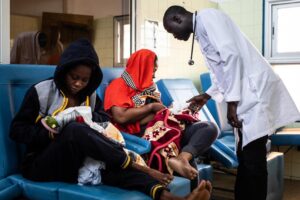
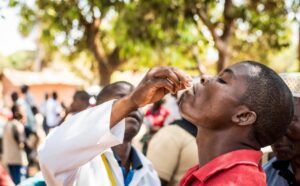
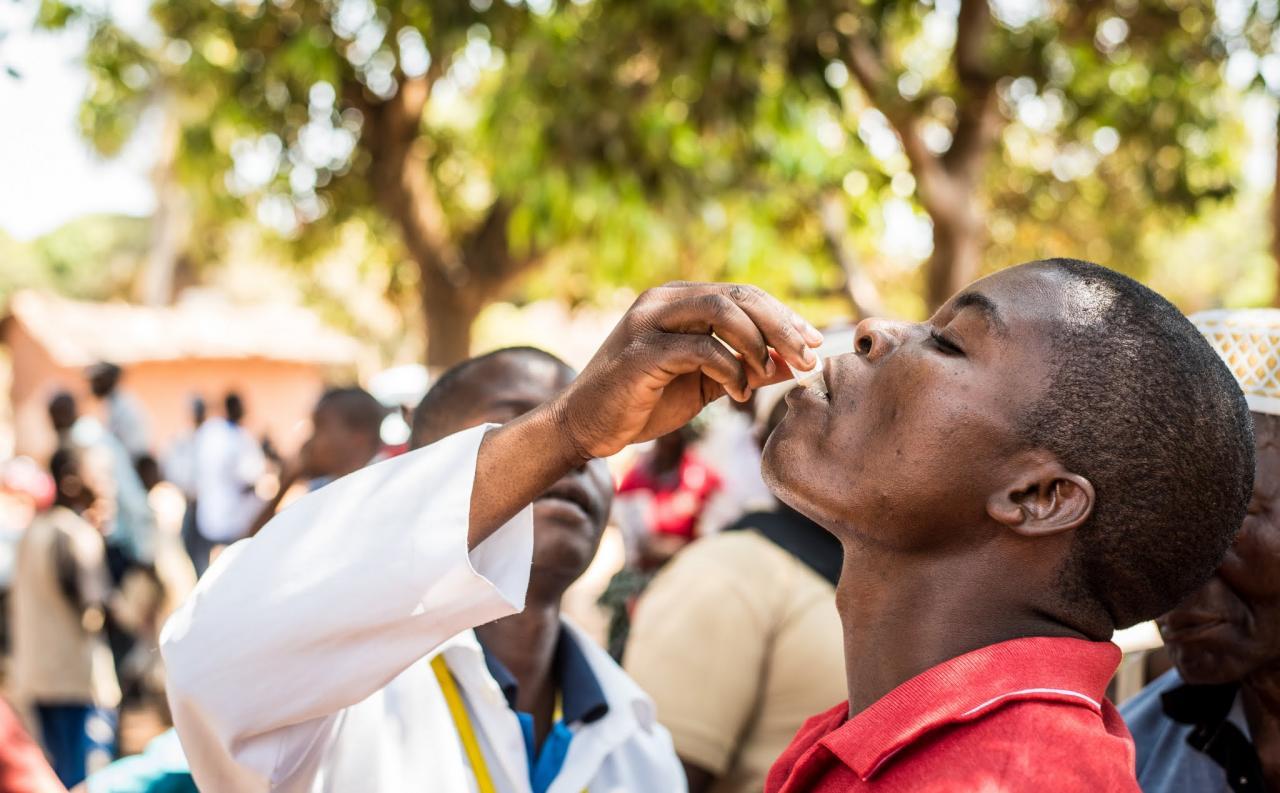
The Ministry of Health and the Zambia National Public Health Institute have been instructed to strengthen treatment services and accelerate oral cholera vaccination campaigns.
Authorities are also working to improve access to safe drinking water, sanitation and hygiene services. Local councils have been directed to intensify waste collection and enforce sanitation standards in markets and food establishments.
The government has expressed concern that some patients are dying in their communities after delaying medical treatment.
Cholera is an acute diarrhoeal disease that can become life-threatening without prompt treatment. Contaminated water and food are major routes of transmission.
The outbreak demonstrates the importance of combining public health science with reliable water infrastructure and digital disease surveillance. African countries can use rapid diagnostic testing, geographic information systems, mobile reporting and real-time outbreak monitoring to identify affected communities earlier. Investment in water treatment, sanitation engineering and locally produced medical supplies is also essential to preventing recurring outbreaks.