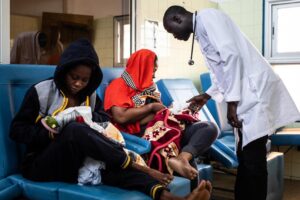

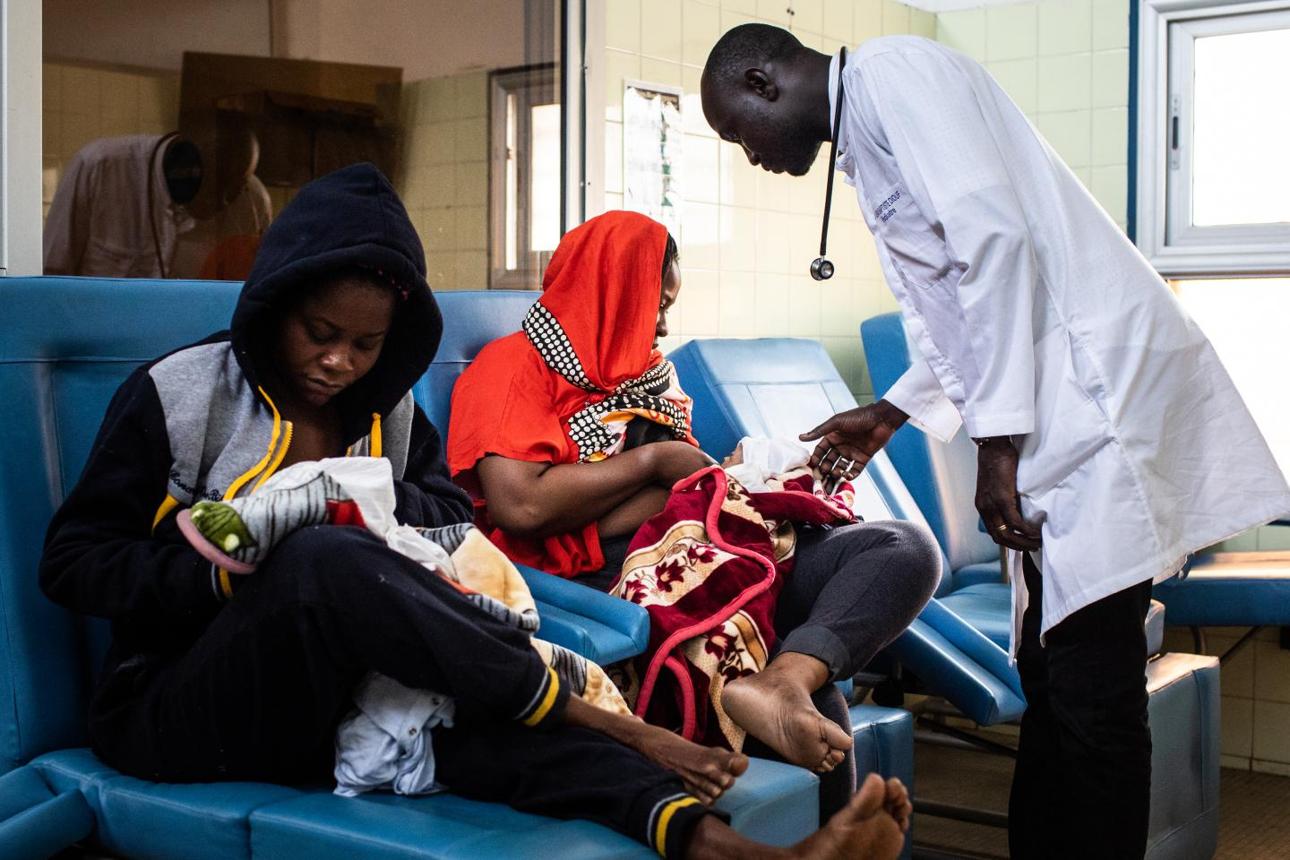
Senegal is facing a growing diphtheria outbreak, with health authorities reporting 619 cases and 18 deaths across 13 regions of the country as of November 22, 2026.
The figures, reported by Pulse Senegal on November 24, show that the disease has spread across 65 health districts.
Kaolack recorded the highest number of infections with 127 cases, followed by Dakar with 95 and Thiès with 74. Other affected areas include Diourbel, Louga, Tambacounda, Kédougou, Kolda, Saint-Louis, Fatick, Ziguinchor and Kaffrine.
Diphtheria is a serious bacterial infection that primarily affects the nose and throat. It spreads through respiratory droplets and close contact with infected individuals.
Symptoms can include fever, sore throat and difficulty breathing. In severe cases, the disease can cause dangerous complications affecting the heart and nervous system.
Vaccination remains the principal method of prevention. Health authorities are urging parents to check their children’s immunisation records and ensure that scheduled vaccinations are completed.
The spread across multiple regions raises concerns about vaccination coverage, early diagnosis and the ability of health facilities to respond to infectious disease outbreaks.
The outbreak reinforces the importance of strengthening Africa’s vaccine supply chains, laboratory networks and disease surveillance systems. Digital immunisation records can help health workers identify children who have missed scheduled doses, while improved diagnostic facilities can support faster detection and treatment. African governments also need stronger local vaccine manufacturing capacity to reduce dependence on imported medical products and improve preparedness for future outbreaks.