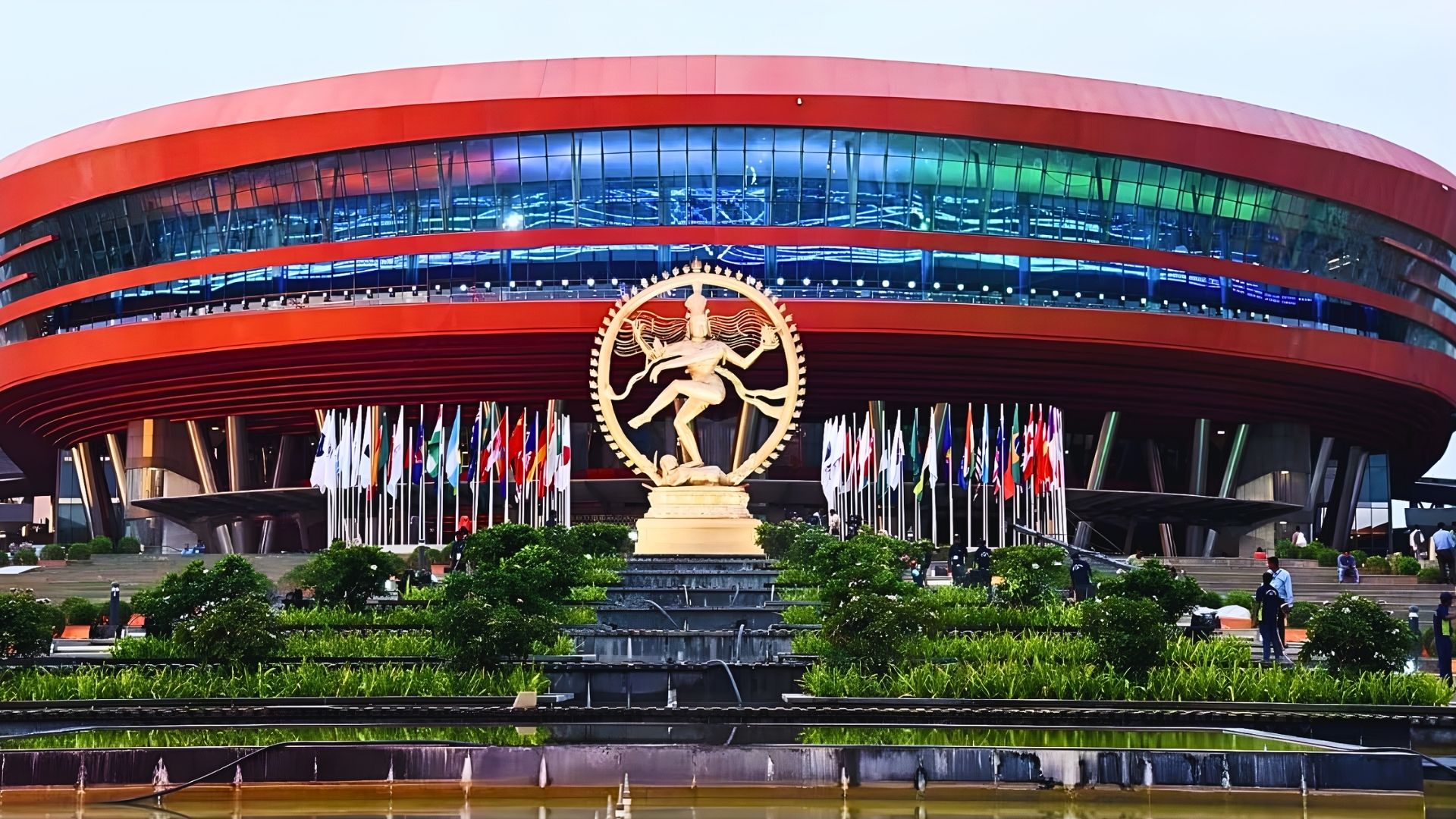
India’s highly anticipated AI Impact Summit, heralded as a landmark gathering of global leaders and technology executives, was marred by logistical chaos on its opening day in Delhi.
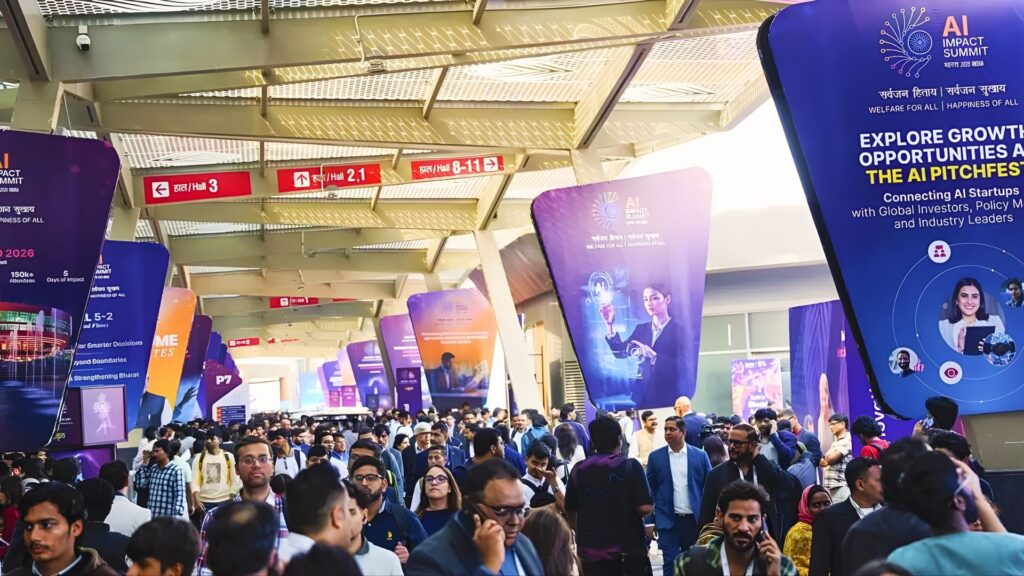
Participants reported long queues, overcrowding, and confusion at the Bharat Mandapam venue, with some waiting hours to enter. Attendees also cited limited access to food and water and, in some cases, reported theft of products from exhibition stalls.
The five-day summit, inaugurated by Prime Minister Narendra Modi, is being promoted as the first major international AI meeting hosted in the Global South, attracting delegations from over 100 countries. Notable technology leaders, including OpenAI’s Sam Altman and Alphabet Inc.’s Sundar Pichai, are expected to participate.
In his opening remarks, Prime Minister Modi highlighted India’s ambition to shape global AI solutions, stating the summit reflects “the extraordinary potential of AI, Indian talent and innovation,” and aims to deliver solutions “not just for India but for the world.”
Information Technology Minister Ashwini Vaishnaw emphasized the summit’s focus on examining both the benefits and risks of AI, saying, “We are basically looking at and measuring what [AI’s] impact on human society is going to be.”
Despite these ambitions, opening day frustrations dominated conversation. Social media was flooded with complaints from founders, exhibitors, and delegates who said poor crowd management, security sweeps, and last-minute closures left many stranded outside exhibition halls.
Maitreya Wagh, co-founder of voice AI start-up Bolna, shared that he was unable to access his company’s booth after gates were suddenly closed. Punit Jain, founder of the Reskill platform, described hours-long queues and a “full evacuation” before the prime minister’s arrival.
Dhananjay Yadav, founder of wearable AI company NeoSapiens, alleged that products from his company’s stall were stolen. He noted the firm had invested significantly in travel and exhibition space, “only to see our wearables disappear inside a high-security zone.”
Additional complaints included food stalls accepting only cash payments, which proved particularly inconvenient for international visitors accustomed to digital transactions. Security concerns and overcrowding also led to several discussions being held behind closed doors, with some sessions abruptly shut down, further limiting delegate participation.
Soumya Sharma, founder of Livo AI, noted that while some sessions were excellent, operational lapses risked undermining the event’s purpose. “Unless we get the basics right, we cannot claim to be utilising AI to its fullest. AI is only part of the system. We must solve basic on-ground issues first,” Sharma wrote on X.
As of publication, organisers and government officials have not issued a public response to the complaints. Requests for comment from the Ministry of Electronics and Information Technology remain unanswered.