
Netherlands and Iceland have officially joined the genocide case against Israel at the International Court of Justice (ICJ). This case, originally initiated by South Africa, alleges that Israel has committed acts of genocide against the Palestinian people. The intervention by these two European nations marks a pivotal moment in the ongoing legal and diplomatic saga surrounding the Israeli Palestinian conflict.
The genocide case against Israel was brought before the ICJ by South Africa, accusing Israel of violating the 1948 Genocide Convention through its actions in Palestinian territories. This case represents one of the most serious international legal challenges Israel has faced, as it directly questions the legality of its policies and military operations in the occupied Palestinian areas.
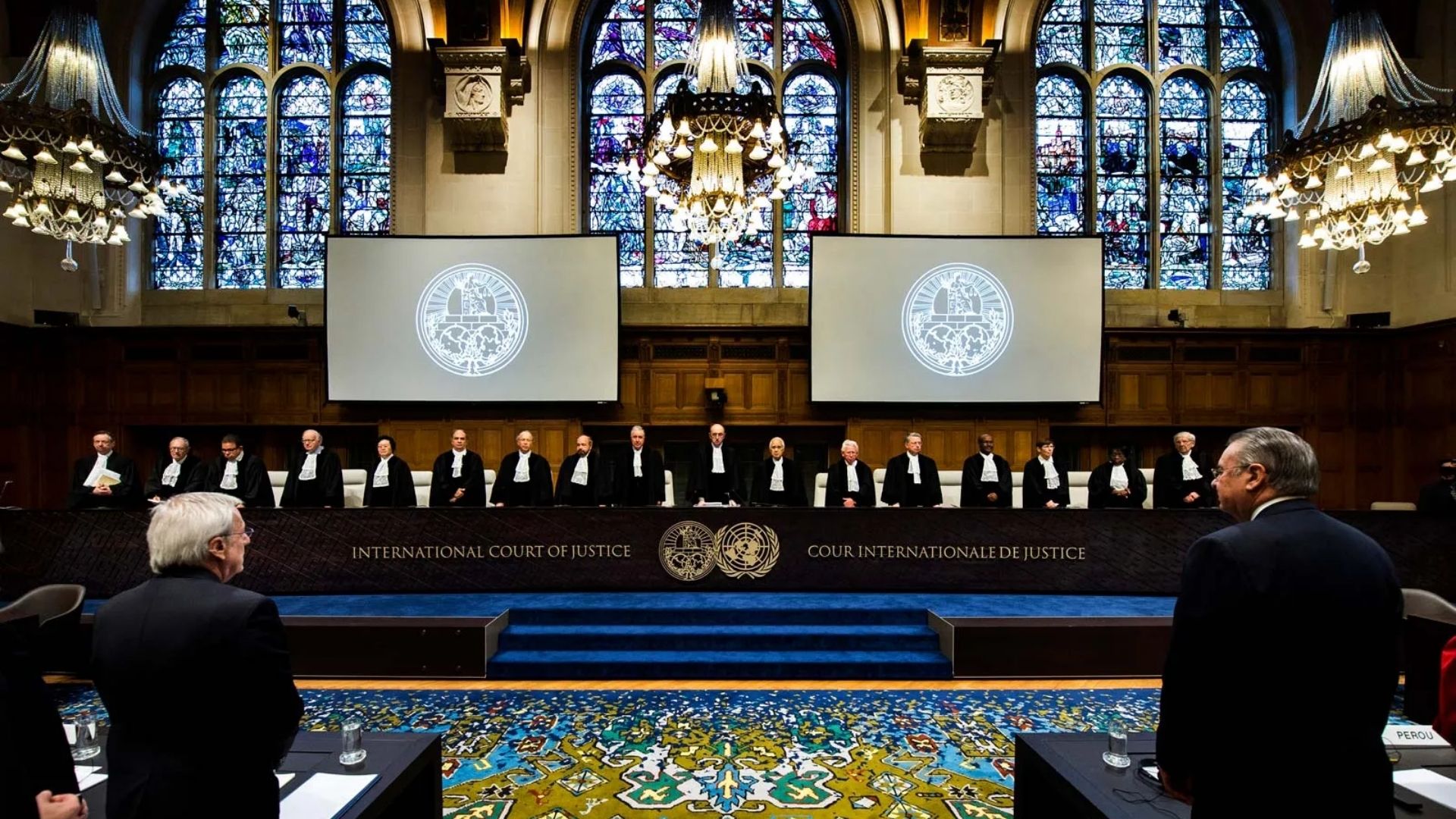
The ICJ, the principal judicial organ of the United Nations, is tasked with settling legal disputes between states and providing advisory opinions on international legal questions. The court’s involvement in this case underscores the gravity of the allegations and the international community’s demand for accountability.
The Role of the Netherlands and Iceland
On March 11, 2026, both the Netherlands and Iceland filed formal declarations of intervention to join South Africa’s case. Their participation is not merely symbolic; it reflects a principled stance on upholding international law and human rights. By intervening, these countries aim to support the legal arguments presented by South Africa and contribute to the court’s examination of whether Israel’s actions amount to genocide.
The intervention by the Netherlands and Iceland also signals a broader European and international concern regarding the situation in Palestine. It highlights the increasing willingness of states to engage with international legal mechanisms to address complex geopolitical conflicts.
Legal and Political Implications
The involvement of the Netherlands and Iceland could have several important implications:
- Strengthening the Case: Their intervention brings additional legal expertise and political weight to the proceedings, potentially influencing the court’s deliberations and final judgment.
- International Pressure: This move increases diplomatic pressure on Israel by demonstrating that multiple countries are scrutinizing its actions under international law.
- Precedent for Future Cases: The case could set a precedent for how allegations of genocide and other serious international crimes are addressed in politically sensitive conflicts.
- Impact on Israeli Palestinian Relations: While the ICJ’s rulings are binding, enforcement depends on the international community. The case could affect diplomatic relations and peace efforts in the region.
Reactions and Next Steps
The intervention has been welcomed by human rights organizations and advocates for Palestinian rights, who see it as a step toward justice and accountability. Conversely, Israel and its supporters have criticized the case, arguing that it is politically motivated and undermines efforts for peace.
The ICJ has begun its first hearings to assess the admissibility and merits of the case. The court’s decision will be closely watched worldwide, as it could have profound consequences for international law, state sovereignty, and the protection of human rights.
Conclusion
The decision by the Netherlands and Iceland to join the genocide case against Israel at the ICJ marks a significant development in international legal efforts to address alleged atrocities in the Israeli Palestinian conflict. Their intervention not only strengthens the case but also reflects a growing international commitment to uphold justice and human rights through legal channels. As the ICJ continues its proceedings, the world awaits a ruling that could reshape the landscape of international accountability and conflict resolution.