


IDEA TELEVISION || Research Article
Introduction
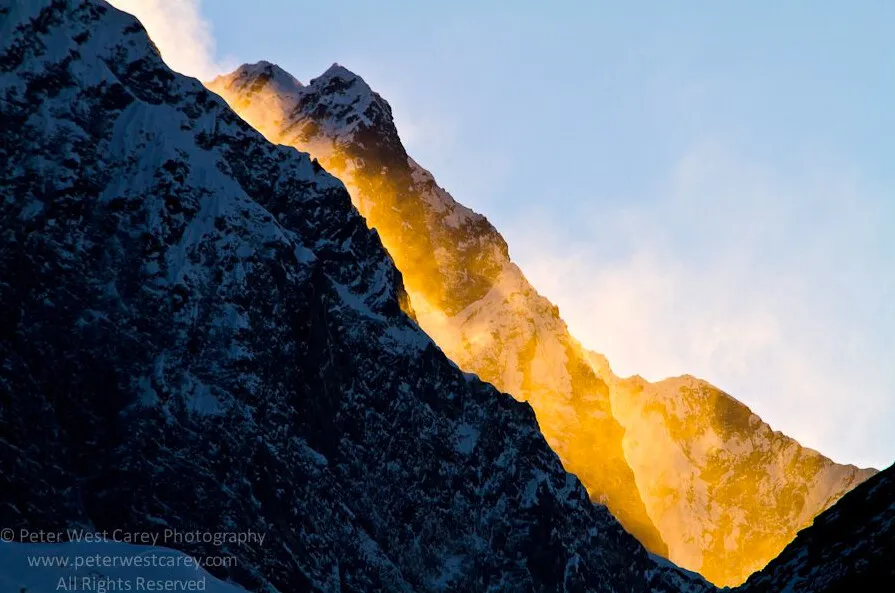
Every morning, some mountains in China appear to “burn” with a fiery glow, captivating onlookers with their stunning visual display. This natural spectacle is caused by a phenomenon known as alpenglow. It creates the illusion that the mountain is aflame, especially when the sun strikes it at just the right angle and interacts with moving clouds. But what exactly causes this breathtaking effect? Let’s explore the science behind alpenglow.
What is Alpenglow?
Alpenglow is an optical phenomenon that occurs when the sun is just below the horizon, either shortly before sunrise or just after sunset. During this time, sunlight is scattered and reflected in the atmosphere, illuminating mountain peaks with a reddish or pinkish hue. This glow is not caused by direct sunlight but by indirect sunlight scattered by atmospheric particles.
The Science Behind Alpenglow
- Sun Position and Angle
Alpenglow happens when the sun is below the horizon but close enough to cast light indirectly. The sunlight travels through a thicker layer of the Earth’s atmosphere, which scatters shorter blue wavelengths and allows longer red and orange wavelengths to dominate. This scattering effect is similar to what causes the colors of a sunset or sunrise. - Atmospheric Scattering
The Earth’s atmosphere contains particles like dust, water droplets, and ice crystals. When sunlight passes through this medium at a low angle, these particles scatter the light. The scattering is more effective for shorter wavelengths (blue and green), so the longer red and orange wavelengths become more prominent, bathing the mountains in warm hues. - Reflection from Mountain Surfaces
The mountain surfaces, especially those with snow or light-colored rock, reflect this scattered light. The reflection intensifies the reddish glow, making the mountain appear as if it is glowing or “burning.” The presence of moving clouds can enhance this effect by diffusing and reflecting the light in dynamic ways, creating a shifting, fiery appearance. - Role of Clouds
Moving clouds can act as additional reflectors and diffusers of sunlight. As clouds move across the sky, they change the way light is scattered and reflected, sometimes intensifying the glow or creating patterns of light and shadow that add to the dramatic effect.
Why is This Phenomenon Not Constant
Alpenglow requires very specific conditions:
- The sun must be just below the horizon.
- The atmosphere must contain enough particles for scattering.
- The mountain surface must be positioned to reflect the light.
- Weather conditions, including cloud cover, must be favorable.
Because these conditions are transient, alpenglow is a fleeting and special event, often lasting only a few minutes during dawn or dusk.
Visual Representation (Description)
Imagine the sun just below the horizon, casting a soft red light upward. The sky near the horizon glows with warm reds and pinks. The mountain peaks catch this light, reflecting it off their surfaces, especially if snow-covered or light-colored. Moving clouds scatter and reflect this light further, creating a dynamic, fiery glow that seems to set the mountain ablaze.
Conclusion
The “burning mountain” effect seen in China is a stunning example of alpenglow, a natural optical phenomenon caused by the scattering of sunlight when the sun is just below the horizon. The interplay of atmospheric particles, mountain surfaces, and moving clouds creates a breathtaking spectacle that has fascinated observers for centuries. This phenomenon beautifully illustrates the complex interactions between sunlight and the Earth’s atmosphere, turning ordinary mountain landscapes into fiery works of art at dawn and dusk.