
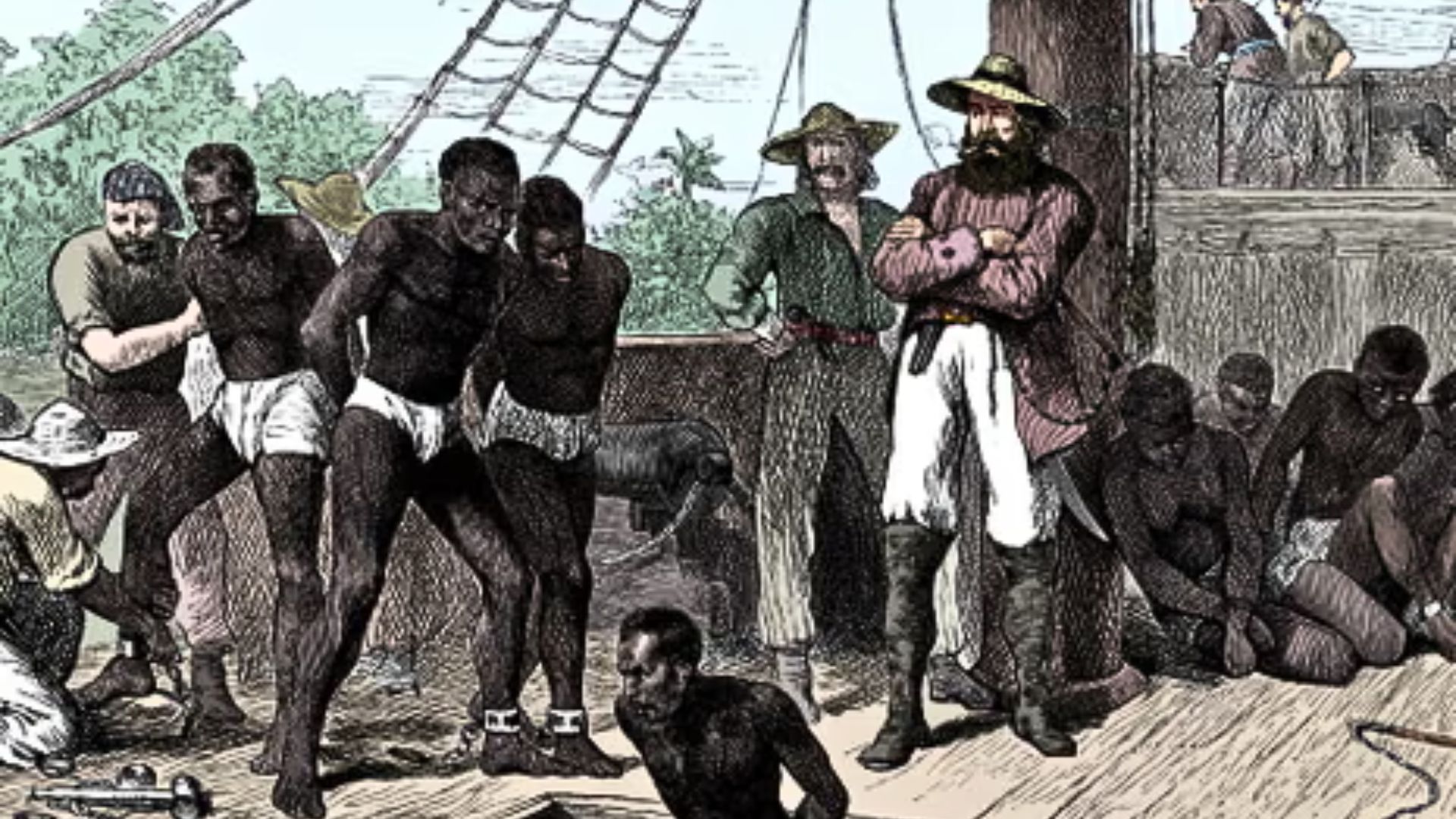
The United Nations General Assembly has voted to officially recognize slavery, particularly the transatlantic slave trade, as the “gravest crime against humanity.” This historic resolution marks a significant step in global acknowledgment of the profound and lasting impact of slavery on millions of Africans and their descendants worldwide.
The transatlantic slave trade, which forcibly uprooted millions of Africans between the 15th and 19th centuries, has long been condemned for its brutality and inhumanity. However, until now, there had been no formal global consensus categorizing it explicitly as the gravest crime against humanity. The UN resolution, championed by Ghana and supported by numerous countries including Brazil, seeks to fill this gap by formally condemning the trade and its enduring legacies.
Ghanaian Ambassador to the UN, Samuel Yao Kumah, played a pivotal role in advocating for this resolution. He emphasized the importance of recognizing the transatlantic slave trade not only as a historical atrocity but as a crime whose consequences continue to affect societies today. Ambassador Kumah stated, “This resolution is a call for justice, remembrance, and reparative action.”
The Resolution’s Core Provisions
The resolution condemns the transatlantic slave trade and all forms of slavery as crimes against humanity, highlighting the systematic dehumanization and exploitation of African people. It calls on member states to:
- Promote education and awareness about the history and impact of slavery.
- Support initiatives aimed at reparations and healing for affected communities.
- Strengthen international cooperation to combat modern forms of slavery and human trafficking.
Global Reactions and Impact
The vote has been met with widespread approval from African nations, human rights organizations, and descendants of enslaved peoples. Brazil, a country with a significant Afro-descendant population and a history intertwined with the slave trade, publicly backed the resolution, signaling a growing international consensus on the issue.
Experts believe this resolution will pave the way for more robust global efforts to address the historical injustices of slavery and its ongoing repercussions, including systemic racism and economic disparities.
While the resolution is largely symbolic, its moral and political weight cannot be overstated. It serves as a foundation for future policies and actions aimed at reconciliation and justice. The UN’s recognition also reinforces the need for continuous vigilance against modern slavery practices, ensuring that the horrors of the past are neither forgotten nor repeated.