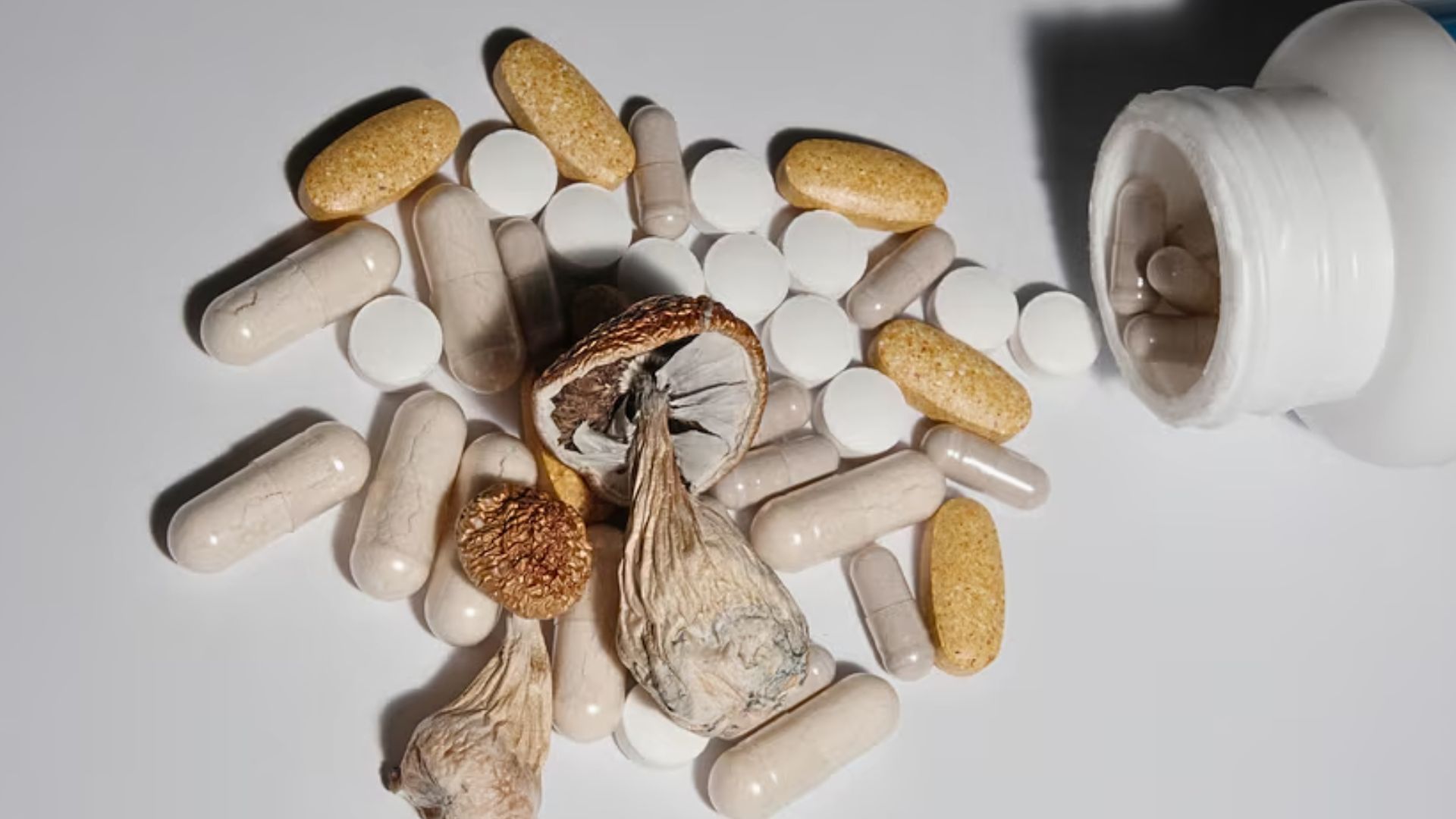
Recent research into psychedelic drugs such as psilocybin, known for their mind-altering effects, has generated significant interest as potential treatments for depression. These substances, derived from natural sources like certain mushrooms, have been studied for their ability to alleviate symptoms in patients who often do not respond well to conventional therapies.
A comprehensive review of the existing evidence now suggests that while psilocybin and similar psychedelics are effective in treating depression, their efficacy is comparable to that of traditional antidepressants rather than superior. This finding provides a balanced perspective on the therapeutic potential of these drugs, highlighting both their promise and limitations.
The review analyzed multiple clinical trials and studies, assessing outcomes such as symptom reduction, duration of effect, and safety profiles. Psilocybin treatments often involve guided sessions with trained therapists, which differ from the typical administration of standard antidepressants. Despite these differences, the overall improvement in depressive symptoms was found to be on par with conventional medications.
Experts emphasize that while psychedelics offer an alternative approach, they are not a guaranteed breakthrough cure. Their use also requires careful medical supervision due to the potent psychological effects and the need for controlled environments during treatment.
This evolving field continues to attract research funding and public interest, as scientists seek to better understand how psychedelics can be integrated into mental health care. Future studies are expected to refine treatment protocols and identify which patient groups might benefit most.
In summary, psilocybin and related psychedelic drugs represent a promising addition to depression treatment options, but current evidence indicates they perform similarly to existing antidepressants rather than outperforming them. This insight helps set realistic expectations for patients and healthcare providers considering these novel therapies.