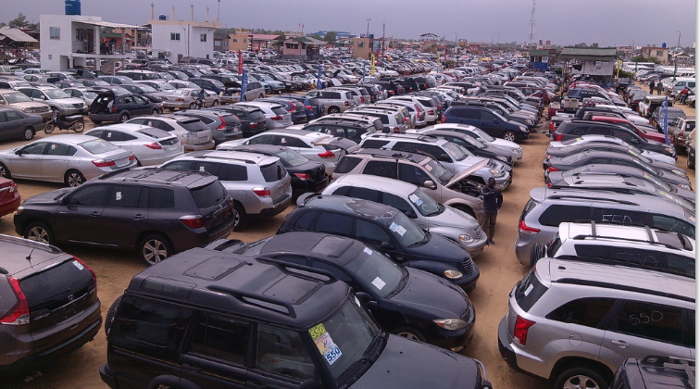
For decades, owning a car in Nigeria was viewed not just as a luxury, but as a vital milestone of personal progress and mobility. Today, however, automobile lots across commercial hubs like Lagos, Abuja, and Port Harcourt tell a vastly different story. Rows of neatly parked foreign-used vehicles sit untouched for months, turning bustling showrooms into quiet spaces of economic reflection.
Car dealers are grappling with a profound slump in sales. Behind this downturn is a complex convergence of macroeconomic hurdles: persistent foreign exchange volatility, compounding import costs, and an escalating cost of living that has forced everyday Nigerians to radically reprioritize their finances.
The Anatomy of a Slump: Tariffs, Forex, and Landed Costs
The primary driver behind the stagnation of the used-vehicle market is the staggering cost of bringing cars into the country. Because Nigeria relies heavily on imported vehicles, the entire automotive value chain is directly tied to foreign exchange dynamics.
When the local currency fluctuates or weakens against the dollar, the cost of acquiring vehicles abroad skyrockets. Compounding this are the cumulative financial layers involved in clearing cars at the ports—including import duties, terminal charges, shipping fees, and various administrative levies. Even though policy adjustments have occasionally shifted tariff frameworks, dealers note that high exchange rates and auxiliary port expenses continue to inflate the final landed cost.
For the average dealer, keeping inventory afloat has become a high-stakes gamble. Capital is tied up in fewer vehicles, and importing new stock requires significantly larger financial outlays than it did just a few years ago.
The Pinch on the Consumer
As wholesale costs rise, retail prices have climbed well beyond the purchasing power of the average citizen. A model that was once considered an accessible entry-level choice for a middle-class family now commands a price tag that feels entirely out of reach.
At the same time, soaring inflation has squeezed household budgets across the board. With mounting expenditures on food, housing, utilities, and transportation, vehicle acquisition has naturally slipped down the list of consumer priorities. Rather than buying new cars, many Nigerians are choosing to keep aging vehicles on the road for as long as possible, stretching repair and maintenance lifecycles to their absolute limits.
Adapting to a Tight Market
Faced with shrinking margins, players in the automotive ecosystem are being forced to adapt.
- Focus on Maintenance: Mechanics and spare parts dealers are seeing a surge in business as vehicle owners invest in keeping old cars running rather than trading up.
- Alternative Financing: Some progressive dealers and financial institutions are exploring flexible payment models, though high interest rates continue to make credit-based auto purchases difficult.
- Inventory Cautiousness: Dealerships are moving away from bulk importation, opting instead for smaller, demand-driven stock to minimize financial exposure.
Looking Ahead
The current challenges facing Nigeria’s used-vehicle market highlight a broader economic reality: the health of the automotive sector is inextricably linked to currency stability and purchasing power.
While the desire for personal mobility remains strong among Nigerians, recovery in the auto market will depend heavily on sustained economic stabilization, easing inflation, and predictable trade policies. Until then, both buyers and sellers are navigating a market defined by caution, resilience, and a wait-and-see approach.