 Africa CDC Rejects Media Allegations, Says Anonymous Sources Must Not Undermine Continental Health Institution
 Jensen Huang Signals Possible Nvidia Comeback, Says He Would Return If Board Calls on Him
 Apple to Face Court in France Over Allegations of Restricting Independent iPhone Repairs
 APEC Leaders Push for Safer Artificial Intelligence as US-China Technology Rivalry Intensifies
Africa CDC Rejects Media Allegations, Says Anonymous Sources Must Not Undermine Continental Health Institution
Jensen Huang Signals Possible Nvidia Comeback, Says He Would Return If Board Calls on Him
Apple to Face Court in France Over Allegations of Restricting Independent iPhone Repairs
APEC Leaders Push for Safer Artificial Intelligence as US-China Technology Rivalry Intensifies
Nigeria has moved a significant step closer to establishing state police after all 36 State Houses of Assembly approved the proposed constitutional amendment providing for the creation of State Police Services.
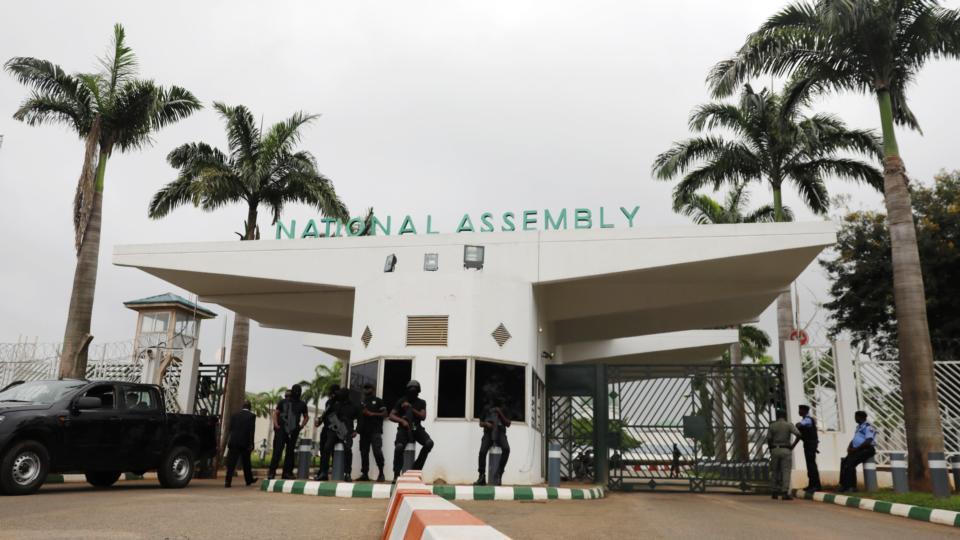
The Clerk to the National Assembly, Kamoru Ogunlana, announced on Monday that every state legislature had endorsed the proposal, giving it unanimous backing across the federation.
The approval exceeds the constitutional requirement of at least 24 state assemblies under Section 9(2) of the 1999 Constitution, as amended.
According to the National Assembly, the verification process has been completed and the bill is ready for transmission to President Bola Tinubu for assent.
The proposed amendment is intended to create a constitutional framework for state-controlled police formations alongside the existing federal policing structure. Supporters argue that decentralising policing could improve local intelligence gathering, shorten response times and enable security agencies to understand the communities they serve more closely.
However, the proposal also raises important questions about funding, recruitment, training, accountability and the possibility of political interference in state security operations.
The approval by the state assemblies does not, by itself, mean that state police units are already operational. The bill must complete the remaining constitutional process, including presidential assent, before implementation arrangements can proceed.
If implemented with strong safeguards, state policing could benefit from technology-driven security systems, including digital crime reporting, secure intelligence databases, forensic laboratories, surveillance analysis and emergency-response platforms.
Nigeria will need common data standards and secure information-sharing systems to ensure that state police services can cooperate with federal agencies and neighbouring states. Investment in forensic science, cybersecurity and modern police training will be just as important as establishing new commands.
The experience could also provide lessons for other African countries considering how to combine local security knowledge with national coordination and technology.