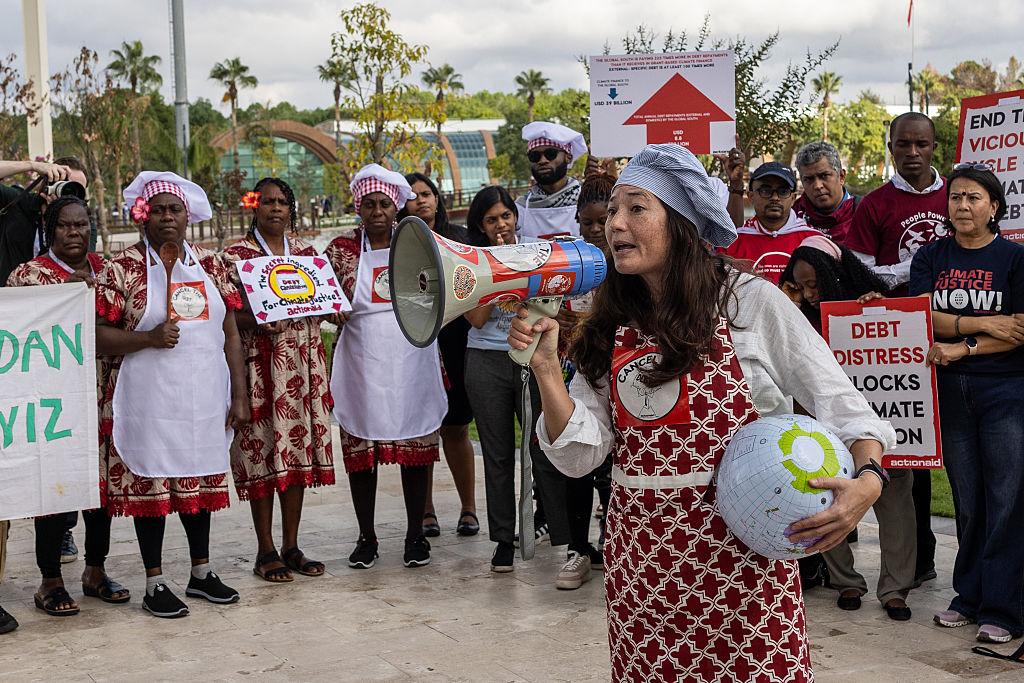
Negotiations at the 31st United Nations Climate Change Conference, COP31, have entered a decisive phase, with ministers facing growing pressure to reach agreements on climate finance, fossil fuels and support for countries most vulnerable to global warming.
The conference, taking place in Antalya, Türkiye, is entering its second and final week after several days of technical discussions and announcements. However, major disagreements remain over who should finance climate action, how vulnerable countries should adapt to extreme weather and what commitments governments should make towards reducing dependence on fossil fuels.
A draft decision circulated by Australia, the conference’s co-host and lead negotiator, has opened another round of discussions. The document is expected to serve as a starting point for negotiations, although countries remain divided over its contents and whether a broader agreement should be adopted.
Technology and industrial innovation have also emerged as major themes. Türkiye and the International Telecommunication Union launched the Antalya Artificial Intelligence Pledge, which had attracted 80 endorsements and 271 commitments by Monday.
The voluntary initiative seeks to encourage more sustainable AI development through cleaner energy, efficient data infrastructure and improved emissions monitoring.
Governments have also launched the Antalya Green Industrialization Compact, designed to encourage investment in cleaner steel, cement and other industrial products.
Another major disagreement concerns the timing of the next comprehensive assessment by the Intergovernmental Panel on Climate Change. Vulnerable countries are pushing for the report to be ready by 2028 so that its scientific findings can inform future global climate decisions.
The negotiations are particularly important because decisions taken now could influence investment, energy systems and climate resilience for decades.
Africa has a major stake in the outcome of COP31. Many African countries contribute relatively little to global greenhouse gas emissions but face serious consequences from drought, flooding, desertification, coastal erosion and changing rainfall patterns.
Climate finance is essential for expanding renewable energy, developing climate-resilient agriculture, improving water management and protecting vulnerable communities.
Artificial intelligence could also provide practical benefits by analysing weather patterns, improving flood forecasting, monitoring deforestation and helping farmers make better decisions. However, African countries must ensure that AI systems are affordable, trained on relevant local data and accessible in African languages.
The green industrialisation agenda presents another opportunity. Nigeria, South Africa and other African economies could attract investment into cleaner steel production, cement manufacturing, battery value chains and renewable-energy equipment.
The challenge is to ensure that Africa does not remain merely a supplier of minerals and raw materials, but becomes a centre for research, manufacturing and green technology development.