The World Health Organization says the Ebola outbreak caused by the Bundibugyo virus in the Democratic Republic of Congo continues to expand, with more than 11,000 cases and 5,400 deaths reported six months after the outbreak began.
In an update published on November 15, the WHO said the outbreak had spread across 67 health zones in eight provinces, with between 400 and 500 new cases being reported each week.
Children remain among the most vulnerable groups. The organisation reported that children account for more than a quarter of confirmed cases and approximately one-third of deaths. Seven out of every ten children under the age of five with confirmed Ebola have died.
The WHO said response teams had made progress in bringing lifesaving services closer to affected communities, particularly in areas where transmission was first detected. However, insecurity, population displacement and limited access to remote communities continue to undermine containment efforts.
The outbreak has also exposed weaknesses in disease surveillance, contact tracing and access to treatment. Conflict and attacks on health facilities have made it more difficult for medical teams to reach people who may have been exposed.
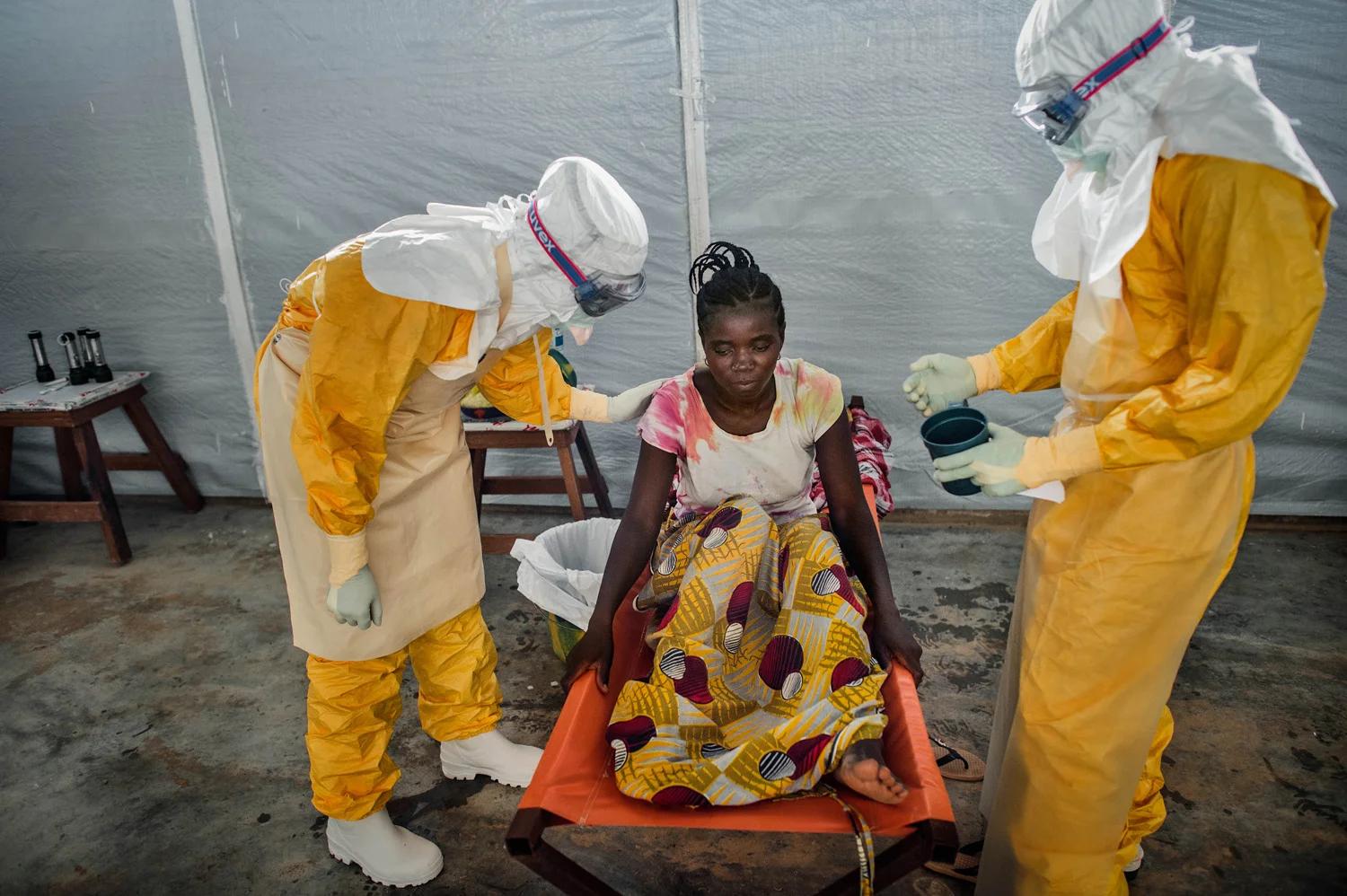
The situation is particularly concerning because Ebola can spread through direct contact with the blood and bodily fluids of infected people and contaminated materials. Rapid identification, isolation, safe care and community engagement are therefore essential to limiting transmission.
The outbreak highlights the urgent need for stronger African capacity in vaccine research, diagnostic testing, genomic surveillance and rapid disease detection.
African research institutions and public-health agencies need dependable laboratory networks capable of identifying emerging pathogens quickly and sharing results across national borders. Digital contact-tracing systems, mobile laboratories and reliable cold-chain infrastructure can also improve the speed of outbreak responses.
The experience reinforces the importance of investment in Africa’s own vaccine and pharmaceutical manufacturing capacity. Stronger local research and production systems could help the continent respond more quickly to future epidemics instead of relying heavily on supplies developed and manufactured elsewhere.