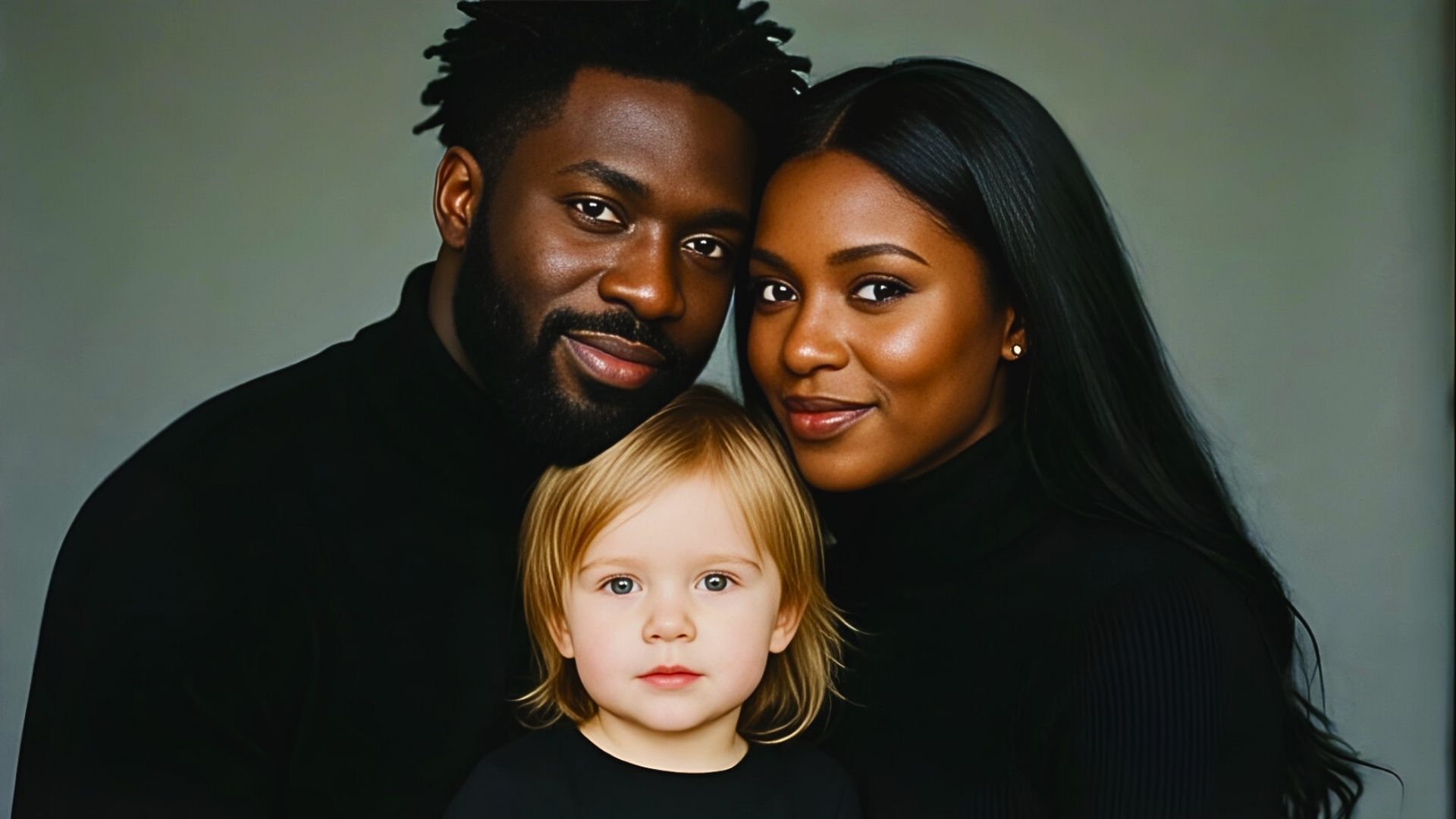
Yes, it is scientifically possible for two dark-skinned parents to have a light-skinned baby. While rare, genetics experts explain that skin color is not a simple “either-or” trait but a complex polygenic trait controlled by multiple genes
The scientific proofs for this include:
Polygenic Inheritance: Skin color is determined by the additive effect of at least three to six different gene loci (and possibly up to 100). Each parent passes on half of their genetic markers. If both parents happen to pass on their “lighter” recessive alleles to the same child, that child can be significantly lighter than either parent.
Recessive Traits and “Skipping” Generations: Genes for lighter skin can remain “dormant” or hidden for many generations. If both parents are carriers of these recessive genes, there is roughly a 25% chance in each pregnancy that the child will inherit two copies of the lighter trait, expressing a fair phenotype.
Spontaneous Genetic Mutation: In extremely rare cases, a new mutation in the pigment-controlling genes of the egg or sperm can result in a child with a much lighter complexion than their family line.
Albinism: This is a specific recessive genetic condition where the body produces little to no melanin. Two dark-skinned parents who are both carriers of an albinism gene have a 1 in 4 chance of having a child with very light skin, hair, and eyes.
Historical Precedents: Famous medical cases, such as the Ihegboro family in 2010 (a Nigerian couple in London who had a blonde, blue-eyed, fair-skinned daughter named Nmachi), have been studied by geneticists who ruled out infidelity and confirmed the natural genetic possibility of such births.
Because of these complexities, a baby’s complexion at birth is not a definitive indicator of paternity. Only a DNA test can provide a conclusive scientific answer.