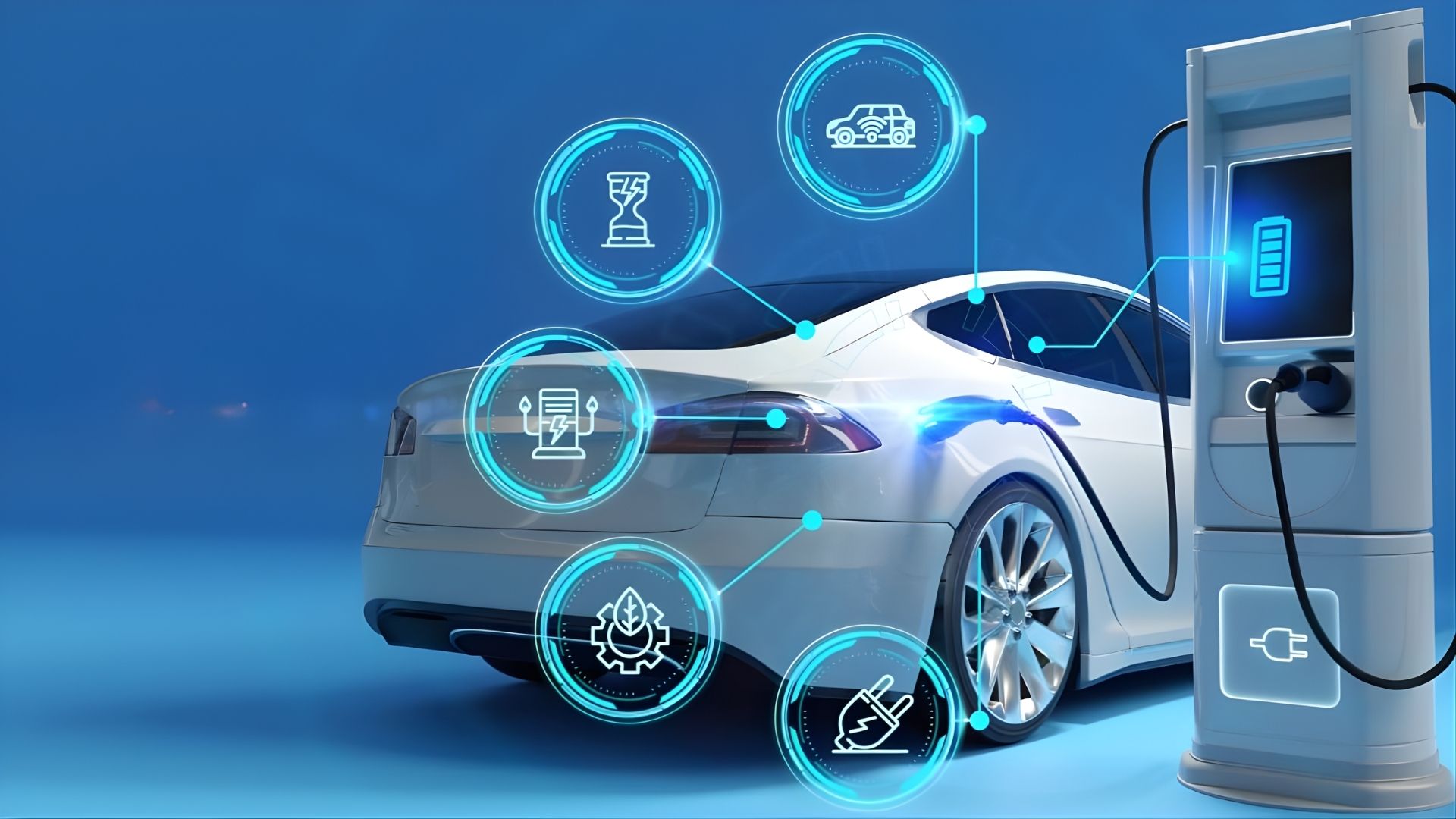
The automotive industry is no longer merely evolving; it is undergoing a fundamental, and irreversible metamorphosis. The Internal Combustion Engine (ICE), a marvel of 20th-century engineering, is being eclipsed by the electric drivetrain. As we move closer to 2030, the Electric Vehicle (EV) is maturing from a niche, environmental preference into a superior, high-tech, and sustainable mode of transport.
The future of the automobile is not just electric; it is a digital, connected, and autonomous ecosystem driven by accelerating advancements in material science and energy infrastructure.
The Battery Breakthrough: From Range Anxiety to Range Confidence
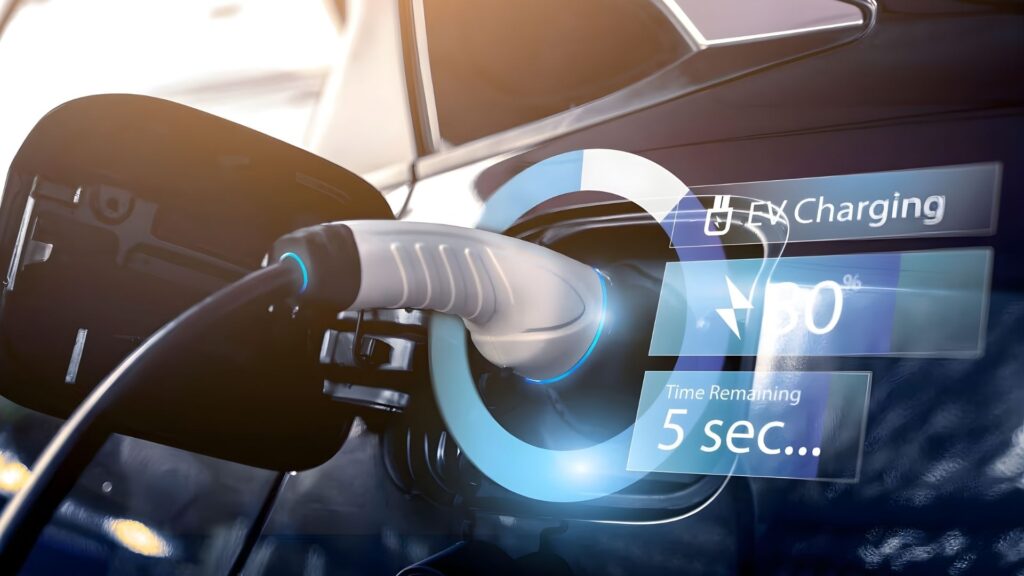
The defining limitation of early EVs—range anxiety—is being solved by rapid technological advancements. By 2026, solid-state batteries are entering limited production, promising to deliver over 500 miles on a single charge and 10-minute charging times.
Beyond Lithium-Ion: While lithium iron phosphate (LFP) batteries are becoming the standard for cost-effective, mass-market EVs, sodium-ion technology is emerging as a cheaper, more sustainable alternative that performs better in cold climates.
Structural Integration: Future vehicles will utilize “cell-to-chassis” technology, where batteries are integrated directly into the vehicle structure, reducing weight, increasing efficiency, and allowing for more cabin space.
The Infrastructure Evolution: Beyond the Plug
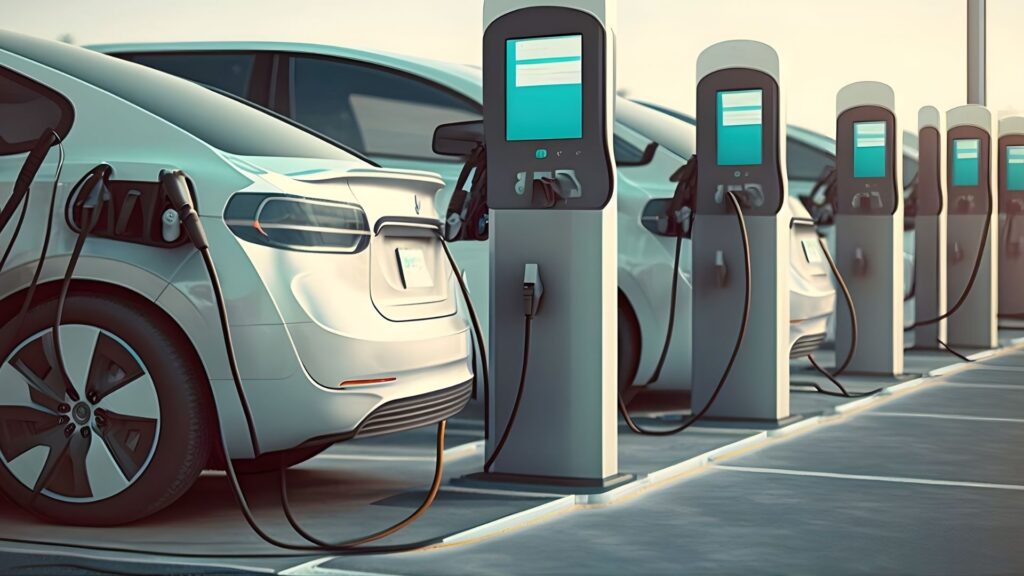
As EV adoption surges, the infrastructure is maturing from simple charging points to an integrated, intelligent grid system.
Ultra-Fast Charging: By 2026, 350kW+ chargers will become common, adding 200 miles of range in less than 15 minutes, making charging times competitive with gasoline refueling.
Bidirectional Charging (V2G/V2H): EVs are transforming into mobile energy storage units. Vehicle-to-Grid (V2G) technology, which will become standard in many new models by 2026, allows cars to feed power back into homes or the grid during peak times, potentially earning revenue for owners.
Wireless and Automated Charging: The future promises the, deployment of inductive (wireless) charging pads in parking lots and eventually on roadways, enabling continuous, invisible charging.
The Intelligence Quotient: Autonomy and AI
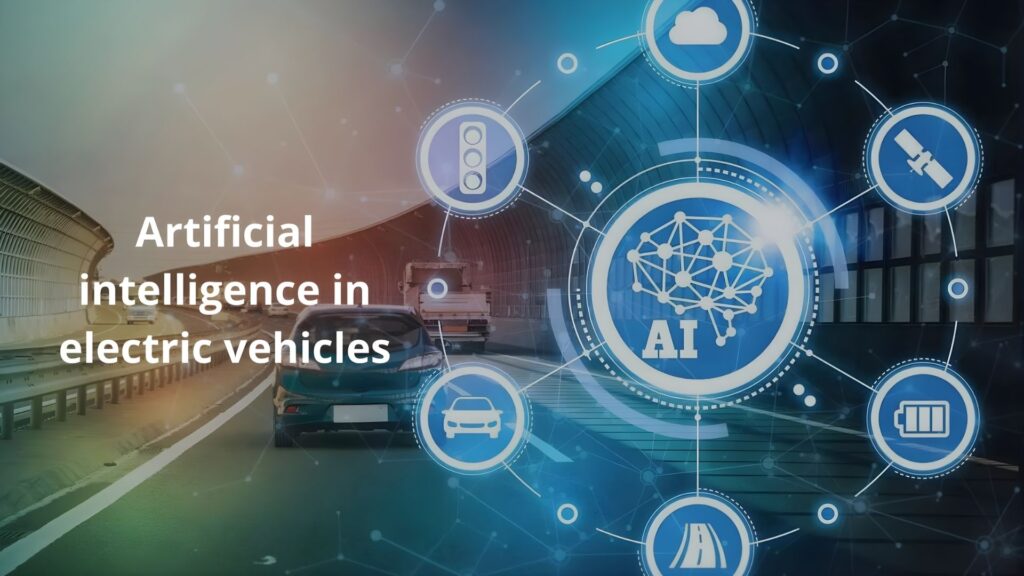
The EV is inherently a digital technology. It is a “computer on wheels” that benefits from over-the-air (OTA) updates, constantly improving its performance and functionality long after it leaves the factory.
AI-Driven Management: Sophisticated AI will optimize battery health, predict energy consumption based on routes and weather, and automatically route drivers to the most efficient charging stations.
Autonomous Evolution: While fully autonomous vehicles (Level 5) are still years away, 2026 is a tipping point for Advanced Driver Assistance Systems (ADAS), including enhanced “hands-off, eyes-on” highway piloting and robotaxi expansion in cities.
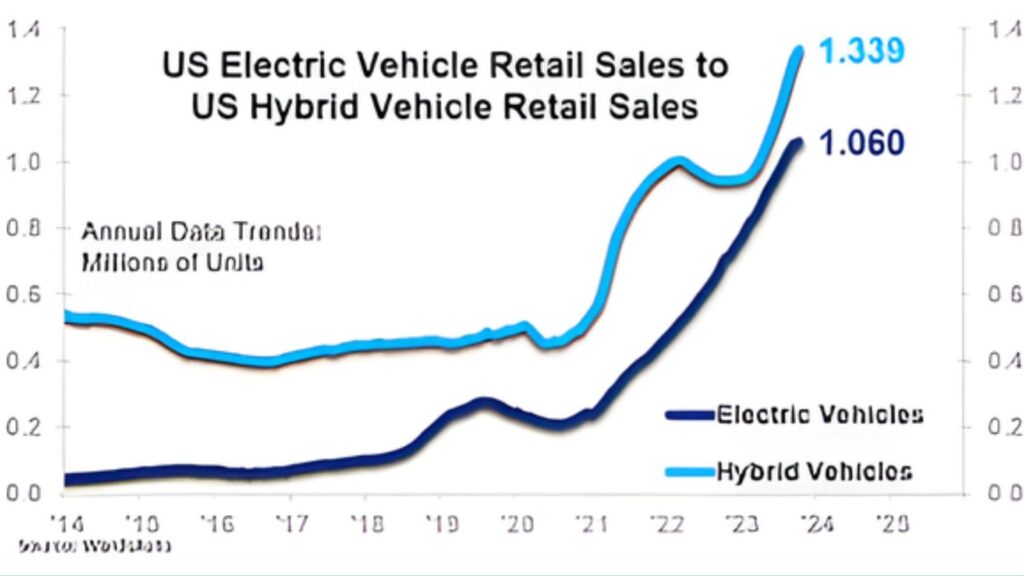
The Economic Inflection Point
The primary barrier to universal adoption—high upfront cost—is collapsing. Battery pack prices have already fallen below $100/kWh, a key threshold making EVs cost-competitive with traditional cars. Industry experts predict full purchase price parity between EVs and ICE cars as early as late 2026 or 2027.
The future automobile is not just a faster, cleaner version of the past; it is a reinvention of mobility. As EV technology converges with AI, renewable energy, and autonomous capabilities, the automotive sector will define a new era of transportation—one that is intelligent, sustainable, and highly efficient. The era of the electric vehicle is not just coming; it has arrived.