
IDEA Television || Sports News
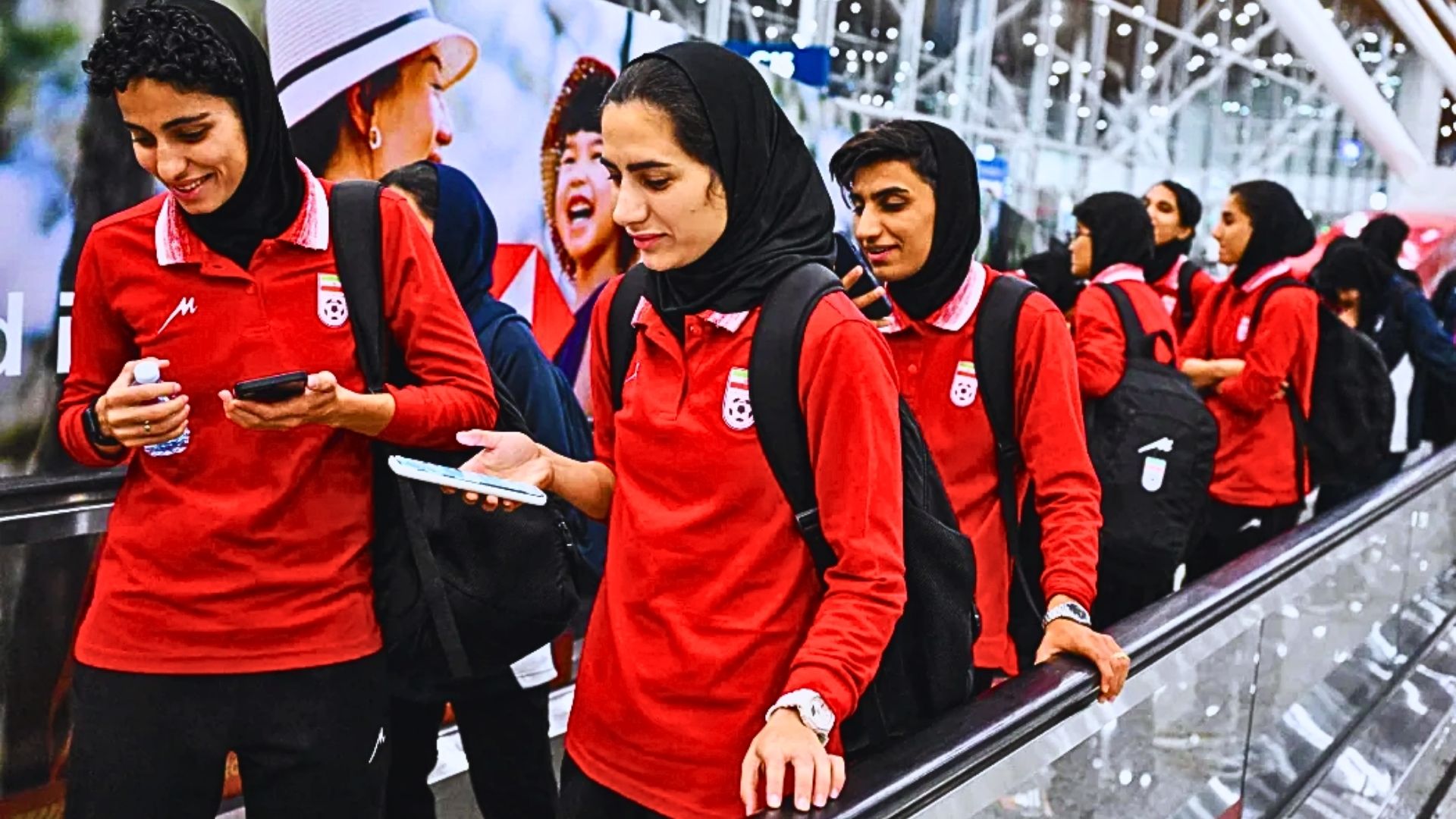
Several members of Iran’s national women’s football team have sought asylum in Australia, fearing possible execution and severe retaliation after refusing to sing the national anthem at the Asian Cup in Australia earlier this month.
A Courageous Protest on the Global Stage
The 13-member squad made headlines when they chose not to sing the Iranian national anthem before their opening match, a gesture widely seen as a bold protest against the Iranian regime. The protest came just two days after the United States and Israel launched strikes on Iran, further intensifying the political climate.
State media quickly branded the players as “wartime traitors,” while many Iranians and international observers lauded their bravery. The silence at the anthem was reportedly in response to the killing of Iran’s Supreme Leader, Ayatollah Ali Khamenei, turning the team into symbols of resistance.
Fear and Flight: Seeking Safety in Australia
Following escalating death threats and intimidation, five players, including team captain Zahra Ghanbarim, escaped their handlers on Monday night and sought asylum. By Tuesday, Australia’s Home Affairs Minister, Tony Burke, confirmed that these women had been granted humanitarian visas and relocated to a safe house. Two additional players also sought refuge just before their scheduled flight back to Iran.
Among those refusing to board the plane was 24-year-old winger Golnoosh Khosravi. At the airport, activists gathered in support, one holding a sign in Farsi: “Golnoosh, your mum said to stay.” Another player, Mohadeseh Zolfi, also secured asylum before the team’s departure.
As the remaining players boarded the aircraft, some were visibly distraught, with reports of one teammate dragging another towards the transport vehicle amid tears and tension.
Repercussions Reach Back Home
Sources reveal that family members of several players have faced threats and possible detention in Iran. Human rights organizations warn that those who return may be subject to interrogation, travel bans, suspension from sport, or even more severe punishment such as prosecution for “cooperation with a hostile state” and “propaganda against the regime.”
Historically, Iranian authorities have targeted the families of activists and critics as a means of coercion and deterrence, further compounding the risks for those who speak out or seek asylum abroad.
International Response and Calls for Action
Australia’s decision to offer refuge was initially criticized by former US President Donald Trump, who called for asylum to be granted and offered the US as a haven if Australia refused. After being informed by Australian Prime Minister Anthony Albanese that the players were already being protected, Trump publicly retracted his criticism.
Throughout the tournament, the team was closely monitored by officials believed to be affiliated with the Islamic Revolutionary Guard Corps (IRGC). Players were reportedly denied access to mobile phones and had their movements strictly controlled.
After Iran’s elimination from the Asian Cup, supporters surrounded the team bus, chanting “Let them go” and “Save our girls.” One player signalled “SOS” in sign language from the bus window, underscoring the desperation of their situation.
Activists have since called for the arrest of the team’s handlers and urged airline staff to prevent forced departures.
A Turning Point for Women’s Rights in Sport
The plight of Iran’s “Lionesses” highlights the intersection of sport, human rights, and political resistance on the world stage. As the global community watches, the courage of these athletes serves as both a warning and a beacon of hope for those fighting for freedom and dignity.
Stay tuned to IDEA Television for ongoing coverage of this developing story and more insights on the intersection of sports, rights, and innovation in Africa and beyond.