

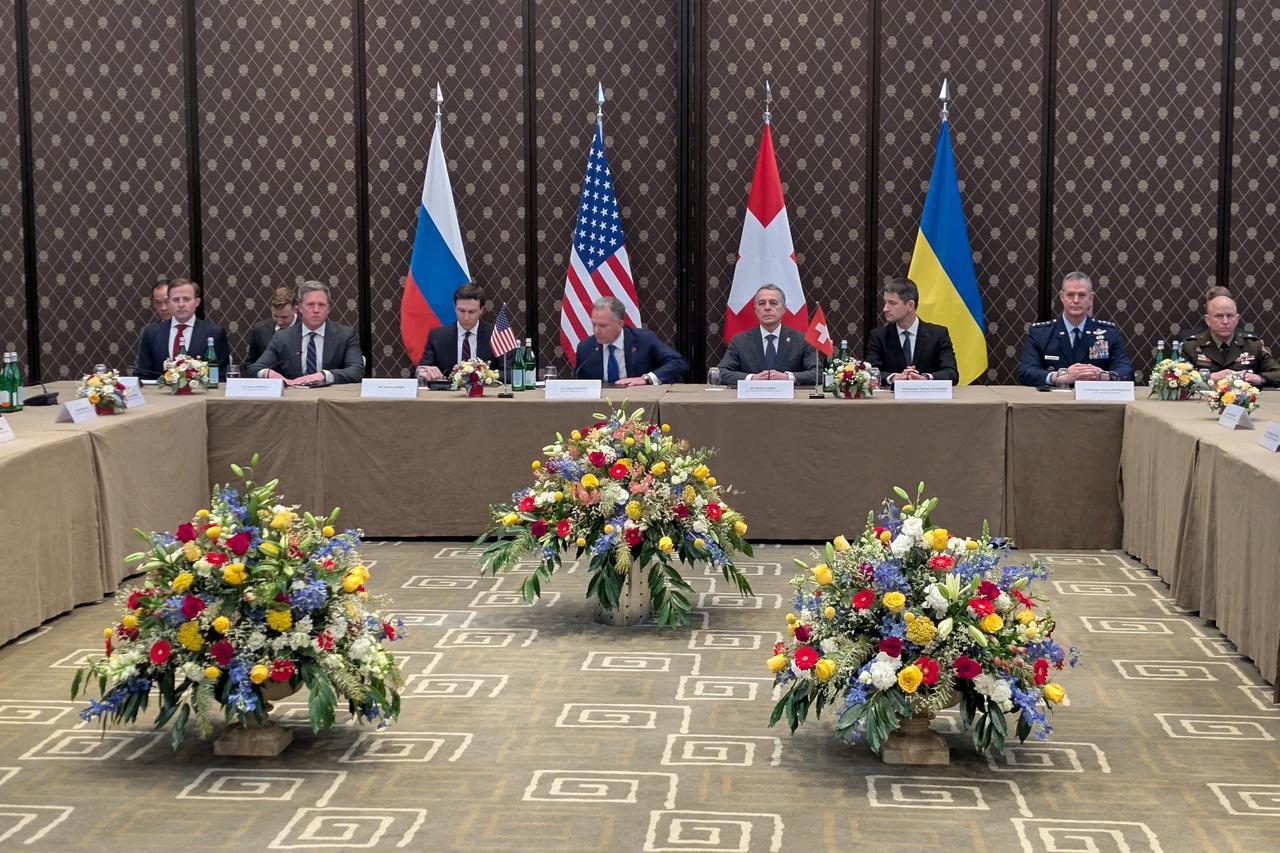
The United States has brought Russia and Ukraine back to the negotiating table in Abu Dhabi, United Arab Emirates, in a renewed diplomatic effort to end the war that has devastated Ukraine for more than four years.
The two-day negotiations, which opened on Tuesday, November 10, mark the first US-mediated trilateral meeting between the countries since February.
Key developments
- US mediation: President Donald Trump has appointed special envoy Steve Witkoff and his son-in-law Jared Kushner to lead Washington’s diplomatic efforts.
- Ukraine’s position: Kyiv’s delegation, led by Rustem Umerov, is seeking credible security guarantees and a lasting peace agreement.
- Russia’s delegation: Moscow is represented by presidential aide Vladimir Medinsky, alongside senior diplomatic and military officials.
- European involvement: Representatives from France, Germany, Britain, Italy, the European Union and NATO are also engaging in separate consultations with Ukrainian and American officials.
The major obstacle: Territory and security
The biggest disagreement remains the future of occupied Ukrainian territory.
Russia continues to demand that Ukraine surrender the remaining parts of the Donbas region under Kyiv’s control. Ukraine’s President Volodymyr Zelenskyy has rejected giving up territory defended by Ukrainian forces.
Another major issue is Ukraine’s future security. Kyiv wants guarantees strong enough to prevent another Russian invasion, while Moscow opposes arrangements that could strengthen Ukraine’s military relationship with NATO.
Why these talks matter
The negotiations could have significant implications beyond Eastern Europe:
- European security: Any agreement could reshape relations between Russia, NATO and European countries.
- Global economy: A reduction in hostilities could ease uncertainty around energy markets, food supplies and international trade.
- US foreign policy: A breakthrough would be a major diplomatic achievement for the Trump administration.
- Humanitarian impact: An agreement could create opportunities for prisoner exchanges, civilian protection and the return of displaced people.
What happens next?
The talks are scheduled to continue through Wednesday, November 11. However, expectations of an immediate breakthrough remain cautious. Previous negotiations have failed to resolve the fundamental disagreements between Moscow and Kyiv.
Reuters reports that US officials believe there may be some room for compromise, although Ukrainian officials have publicly rejected territorial concessions.