
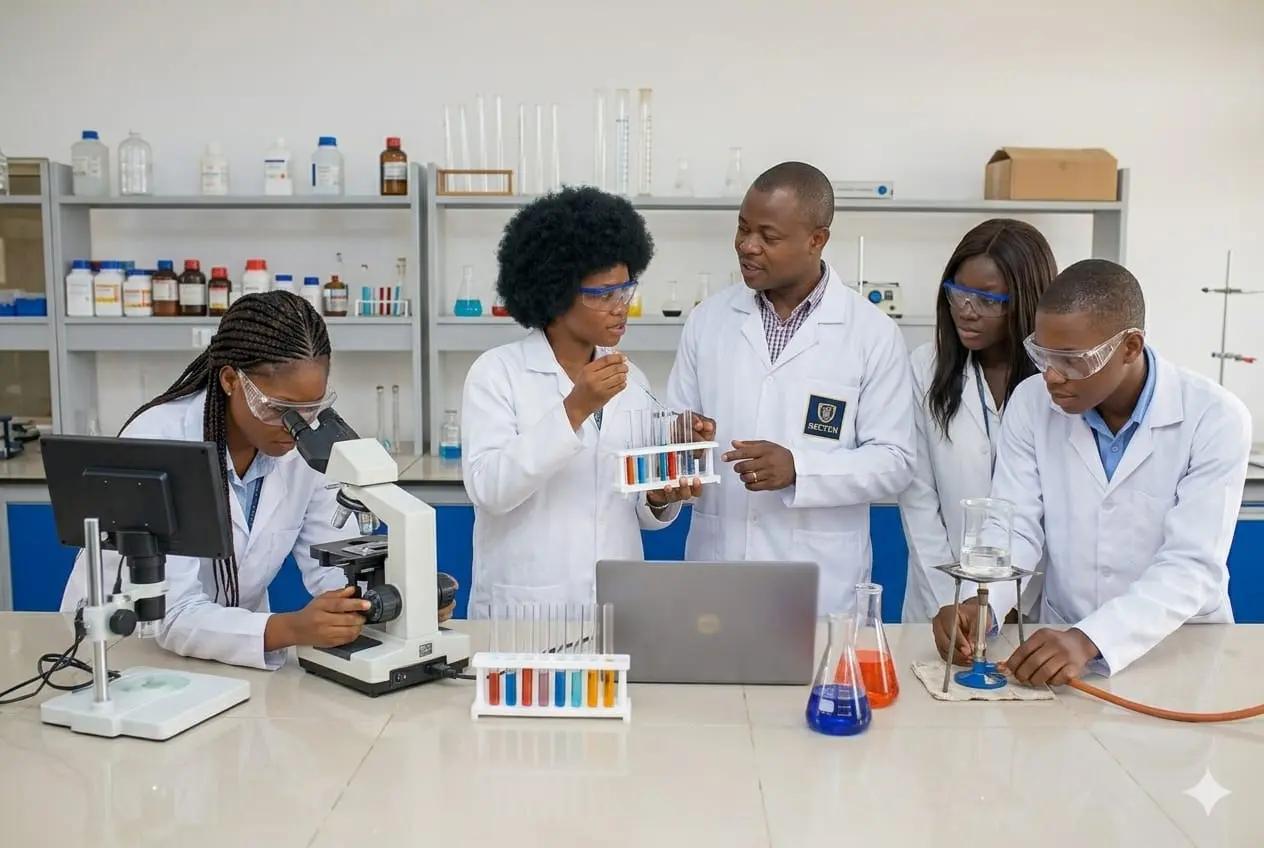
Nigeria LNG Limited and the Nigerian Content Development and Monitoring Board have committed nine million US dollars to support specialised research programmes at six Nigerian universities.
The initiative will establish professorial research chairs, with each participating institution expected to receive 1.5 million dollars to develop research capacity and produce commercially useful solutions to challenges facing the energy and industrial sectors.
The beneficiary institutions are the University of Ibadan, Rivers State University, Modibbo Adama University, Aliko Dangote University of Science and Technology, the University of Nigeria, Nsukka, and Yakubu Gowon University, formerly the University of Abuja.
The research areas include natural gas processing, pollution control, environmental management, intelligent energy systems, automation, energy transition, sustainable energy innovation, green energy production, geo-environmental engineering and satellite intelligence for gas infrastructure.
NLNG Managing Director and Chief Executive Officer, Adeleye Falade, described the programme as an investment in Nigeria’s ability to convert academic knowledge into practical solutions.
The programme is also expected to strengthen collaboration between universities, industry and government, while creating opportunities for younger researchers to work on real industrial problems.
The participating institutions will be expected to establish research targets and pathways for commercialisation, helping ensure that the investment produces results beyond academic publications.
The initiative addresses one of Africa’s persistent development challenges: the gap between university research and industrial application.
Across the continent, universities produce scientific knowledge, but limited funding, weak industry partnerships and inadequate commercialisation structures often prevent promising discoveries from becoming products, services and businesses.
If effectively implemented, the Nigerian programme could support home-grown technologies in energy efficiency, emissions monitoring, automation, environmental protection and satellite-based infrastructure management.
The involvement of six universities across different regions also offers an opportunity to build a national research network. For Africa, the bigger test will be whether the discoveries lead to patents, locally manufactured technologies, skilled jobs and solutions that can be exported to other markets.